
Tools
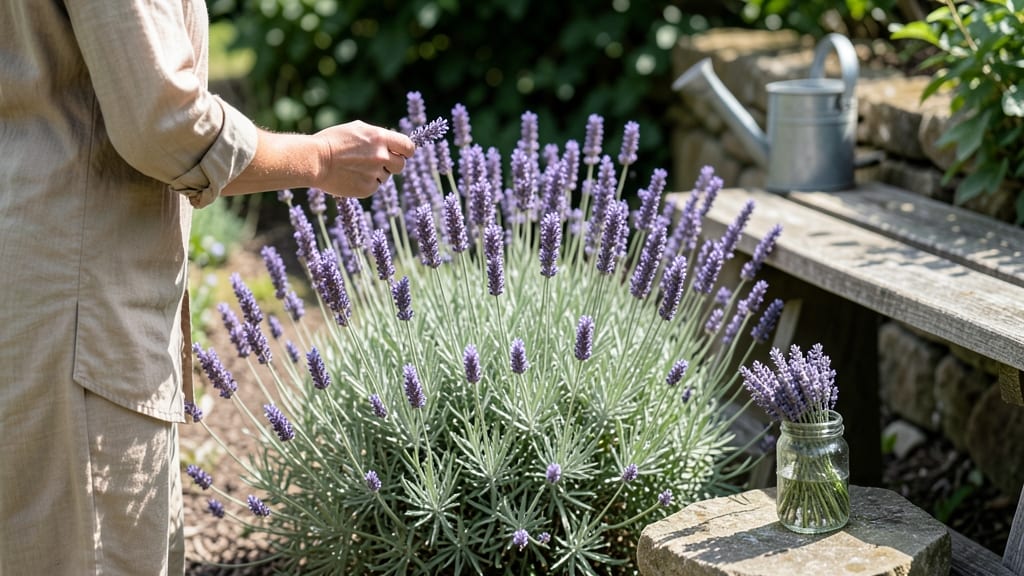
The mental health benefits of gardening are scientifically proven: tending to plants reduces cortisol levels, cuts stress by 30% according to studies, and triggers dopamine and serotonin release—while also promoting mindfulness and a sense of purpose.
This connection between gardening and mental well-being goes beyond just relaxation—it’s rooted in how plants interact with our bodies. 🌱 The rhythmic motions of planting, weeding, and harvesting activate the parasympathetic nervous system, which counteracts stress responses.
Plus, sunlight exposure during gardening boosts vitamin D, further enhancing mood stability. Even small actions like potting herbs or caring for a windowsill garden can create measurable improvements in focus and emotional balance.
What makes gardening uniquely effective is its dual nature: it’s both a physical activity and a form of meditation. The tactile experience of working with soil and plants provides immediate sensory grounding, while the delayed gratification of watching something grow fosters patience and resilience.
For those with limited space, container gardening or indoor plants like succulents can deliver similar benefits without requiring a backyard.
💡 In This Article
- How Gardening Physically Reduces Stress and Anxiety
- Practical Ways to Maximize Gardening’s Mental Health Perks
How gardening physically reduces stress and anxiety
The connection between gardening and stress relief starts with your body's stress hormones. When you're stressed, your adrenal glands release cortisol, often called the "stress hormone."
Studies from the University of Florida found that just 30 minutes of gardening can reduce cortisol levels by up to 30%, putting your body into a more relaxed state.
This happens because gardening's repetitive motions—like digging, planting, or pruning—activate your parasympathetic nervous system, which counters the "fight-or-flight" response triggered by stress.
Sunlight exposure plays a crucial role too. Gardening typically involves being outdoors, where natural light boosts your serotonin levels. Serotonin is a neurotransmitter that regulates mood, sleep, and appetite.
Research published in the Journal of Health Psychology shows that even 15-20 minutes of sunlight can elevate serotonin, creating a calming effect.
The combination of sunlight and physical activity also increases endorphin production, your body's natural painkillers and mood elevators, which is why many gardeners feel a sense of euphoria after working in their plots.
Tactile interaction with plants adds another layer of stress relief. The texture of soil, the smell of fresh herbs, and the gentle touch of leaves all engage your senses in a grounding way.
This sensory stimulation helps redirect your focus away from anxious thoughts, a phenomenon known as "attention restoration theory." For example, pinching back basil leaves or feeling the rough surface of a pinecone activates your mechanoreceptors in the skin, which send calming signals to your brain.
This is why even small gardening tasks, like repotting a houseplant, can have an immediate calming effect.
Gardening also creates a unique form of "flow state"—a mental state where you're fully immersed in an activity. This happens when the challenge of the task matches your skill level, like carefully transplanting seedlings without damaging their roots.
During this flow state, your brain releases dopamine, a neurotransmitter associated with pleasure and motivation. Unlike passive relaxation techniques, gardening combines physical movement with mental engagement, making it more effective for reducing anxiety over time.
What's fascinating is how these benefits compound. For instance, the act of watering plants requires mindfulness—you must pay attention to moisture levels, soil type, and plant needs. This focused attention shifts your brain away from rumination, a common trait in anxiety.
Even the aroma of crushed mint or lavender can trigger olfactory receptors that directly influence emotional centers in your brain, like the amygdala. This sensory experience creates a multi-layered approach to stress reduction that few other activities can match.
Consider this: A study from the University of Westminster found that participants who gardened for just 10 minutes showed improved mood and reduced symptoms of depression. The key seems to be the combination of physical activity, sensory engagement, and the sense of accomplishment that comes from nurturing living things.
Unlike screen-based activities, gardening provides tangible, immediate feedback—you can see and touch the results of your efforts, which reinforces positive emotions and builds resilience.