
Tools
Gardening in Alberta demands careful planning due to its brief growing season and harsh winters, with hardiness zones spanning 0 to 4, variable last frost dates across regions, and frost-free periods typically lasting 90–120 days. Selecting frost-tolerant plants and using season extenders like row covers or greenhouses maximizes success.
Alberta's climate presents unique challenges for gardeners, but understanding these factors helps you work with nature instead of against it. 🌱 The hardiness zones (0–4) mean most plants need to survive sub-zero temperatures, while frost-free periods vary dramatically—Edmonton averages just 90 days compared to Calgary's 110 days.
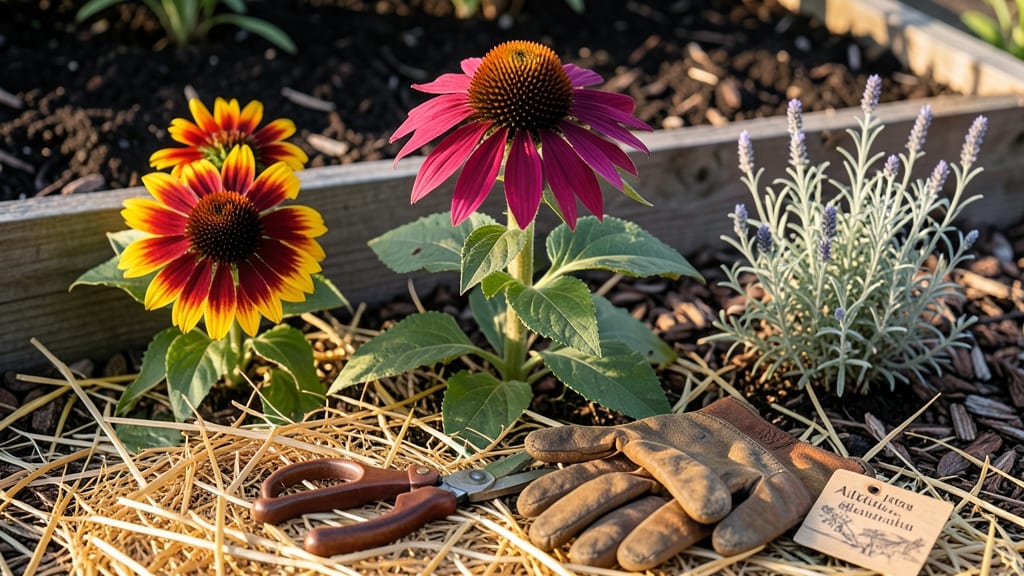
This forces gardeners to prioritize cold-resistant varieties like kale, peas, and coneflowers, while strategic use of windbreaks or south-facing slopes can create microclimates that add precious growing weeks. The key is matching plants to your specific zone and preparing soil with organic matter to improve cold tolerance.
For vegetables, I recommend starting seeds indoors 6–8 weeks before the last frost, then transplanting after soil warms to at least 50°F. Perennials like lavender and catmint thrive in Alberta's conditions once established, while trees such as birch and spruce handle the winters beautifully.
The secret weapon? Row covers—they can push your growing season by 3–4 weeks in both spring and fall, making all the difference for tomatoes and peppers.
💡 In This Article
- Alberta’s Plant Hardiness Zones and Frost Timelines
- Best Cold-Hardy Plants for Alberta Gardens
Alberta’s plant hardiness zones and frost timelines
Alberta’s USDA hardiness zones range from 0a (the coldest, in northern regions) to 4b (southern areas), meaning winter temperatures can drop to -40°F or lower.
These zones determine which plants survive winter dormancy—zone 3 plants like Russian olive or saskatoon berry thrive in most of Alberta, while zone 4 varieties such as hydrangeas need protection in northern areas.
The zone map isn’t just about cold tolerance; it also affects how quickly soil warms in spring, which directly impacts planting windows.
Frost timelines vary dramatically across the province. In Edmonton, the average last spring frost occurs around May 15, while Calgary sees its last frost about two weeks earlier (May 1)—a critical difference for warm-season crops like tomatoes.
Conversely, the first fall frost hits Edmonton by September 25 and Calgary by October 10, meaning gardeners in Calgary have an extra 17 days of growing time. These dates shift yearly, so tracking local weather data (like Alberta Agriculture’s frost maps) helps fine-tune planting schedules.
Understanding these timelines lets you maximize your growing season. For example, in zone 3a, you might plant cool-season crops (kale, spinach) as early as mid-April when soil reaches 40°F, but wait until late May for tomatoes, which need warmer soil (60°F).
The 100-day rule applies here: if your frost-free period is 90 days, choose fast-maturing varieties (like bush beans) or use season extenders to add 2–4 weeks of growing time.
Microclimates play a huge role in Alberta gardening. A south-facing slope can warm 5–10°F faster than a flat yard, while a windbreak (like a hedge or fence) reduces cold air pooling, protecting tender plants.
In my own garden, a brick wall on the south side creates a microclimate that’s 2–3°F warmer—enough to let me plant peppers a week earlier than the general guideline.
Even urban areas like Calgary’s downtown experience urban heat islands, with pavement and buildings trapping warmth and extending the growing season by 7–10 days compared to rural zones.
For perennials and shrubs, the first fall frost is less critical than the depth of winter cold. Plants like coneflowers or lavender can handle -30°F once established, but their roots need well-draining soil to prevent frost heave.
Mulching with 4–6 inches of straw or wood chips insulates roots and maintains 5–10°F warmer soil temperatures during winter. This insulation is why zone 3 perennials often survive in zone 4 with proper mulching—it’s not just about the plant, but the soil environment you create.
One often-overlooked factor is snow cover. A thick blanket of snow acts like a natural insulator, protecting plants from extreme cold.
In Edmonton’s zone 3a, where winters average -15°F, 6+ inches of snow can keep soil temperatures above 20°F, allowing early spring plants like onions or garlic to survive winter. Without snow, those same plants might freeze.
This is why gardeners in snow-poor years need extra mulch or row covers to mimic snow’s protective effect.