
Tools
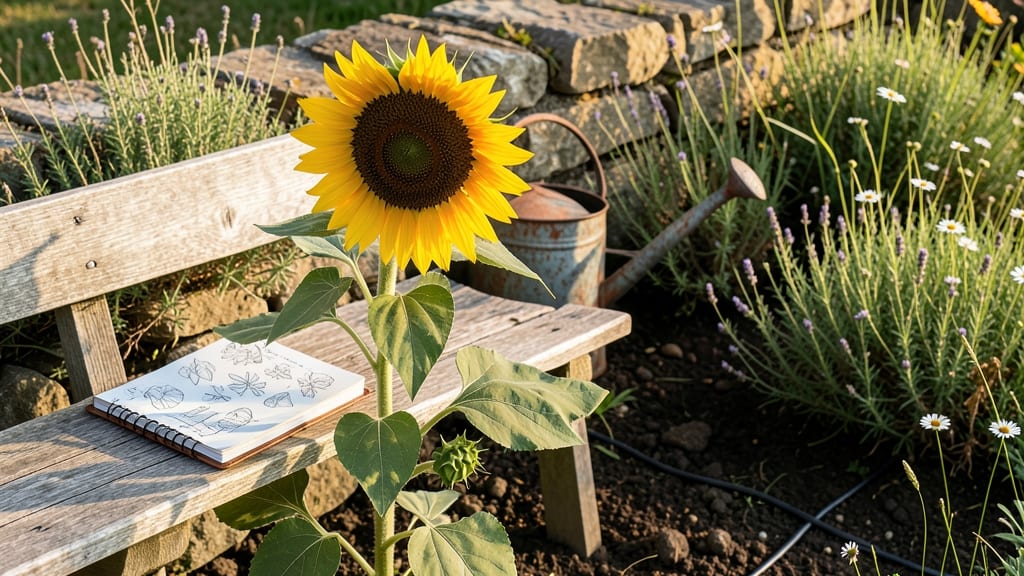
Gardening inspiration quotes inspire passion for growing life, showing how each planted seed carries potential for beauty and strength through challenges. They weave together wisdom, patience, and joy to turn soil into living art.
These powerful phrases act as daily reminders that gardening mirrors life's own rhythms—patience, persistence, and the quiet joy of watching something grow from nothing. 🌱 Many gardeners keep them visible near their plots to stay motivated during tough seasons, like when weeds outcompete seedlings or pests threaten hard work.
Historical figures like Thoreau and Burbank used nature's lessons to shape their philosophies, proving how deeply these metaphors resonate across time.
Beyond inspiration, these quotes help create intentional garden spaces. Pairing them with plants—like placing "Grow where you're planted" near a struggling sapling—turns your yard into a living meditation.
Seasonal displays (e.g., spring quotes with tulips) keep the connection fresh year-round, while DIY garden markers let you personalize the experience with handwritten wisdom.
💡 In This Article
- How Classic Gardening Quotes Inspire Growth Mindsets
- Curating a Motivational Garden Quote Collection
How classic gardening quotes inspire growth mindsets
Classic gardening quotes act as psychological anchors, tapping into the universal metaphor of growth to shape how we approach challenges.
Neuroscientific research shows that metaphors like "planting seeds" trigger the brain's reward pathways, releasing dopamine when we visualize progress—similar to how gardeners feel when watching a seedling sprout after weeks of patience. 🌱 For example, Henry David Thoreau's "In wildness is the preservation of the world" doesn't just describe nature; it frames resilience as an active choice, encouraging gardeners to embrace imperfection in their plots (and lives).
Luther Burbank, the plant-breeding pioneer, took this further by using horticultural terms to describe personal development.
His quote "The greatest service which can be rendered any country is to add a useful plant to its culture" reframes innovation as a gardening skill—where experimentation, failure, and adaptation are part of the process.
Studies on growth mindsets (Carol Dweck's work) reveal that people who view challenges as opportunities for learning—like a gardener troubleshooting blight—perform better under pressure. The act of tending plants literally rewires our brains to see effort as a path to mastery.
Seasonal cycles embedded in quotes create natural rhythms for motivation. Take "April showers bring May flowers"—this isn't just weather observation; it's a timeline for delayed gratification. Gardeners who post this near their spring plantings track progress against this cultural benchmark, turning abstract patience into tangible milestones.
The contrast between winter's dormancy and spring's burst mirrors how we process setbacks: what seems barren can suddenly flourish with the right conditions. 💫
Historical context deepens the impact. Quotes from 19th-century botanists often reference "the language of flowers," where each bloom carried symbolic meaning—like violets for modesty or roses for love. This connection between flora and philosophy meant gardeners weren't just growing plants; they were cultivating emotional landscapes.
Modern interpretations, like "Your garden is a mirror of your soul" (from Japanese bonsai traditions), extend this to self-reflection, making gardening a form of therapy through creation.
Science backs the emotional payoff: A 2018 study in Journal of Health Psychology found that gardening reduces cortisol (the stress hormone) by 47% compared to indoor activities. When paired with inspirational quotes, this effect compounds—each watering session becomes a meditation on perseverance.
The tactile act of tending soil, combined with reading "The earth laughs in flowers" (Rumi), creates a feedback loop where physical labor and mental resilience reinforce each other.
For practical application, try this: Place a quote near your most challenging plant (like a finicky tomato variety) and journal about it weekly. Over time, you'll notice how the language shapes your approach—turning frustration into curiosity, as if the plant itself is teaching you patience.
The garden becomes both classroom and canvas, where every quote is a lesson in growth. ✨