
Tools
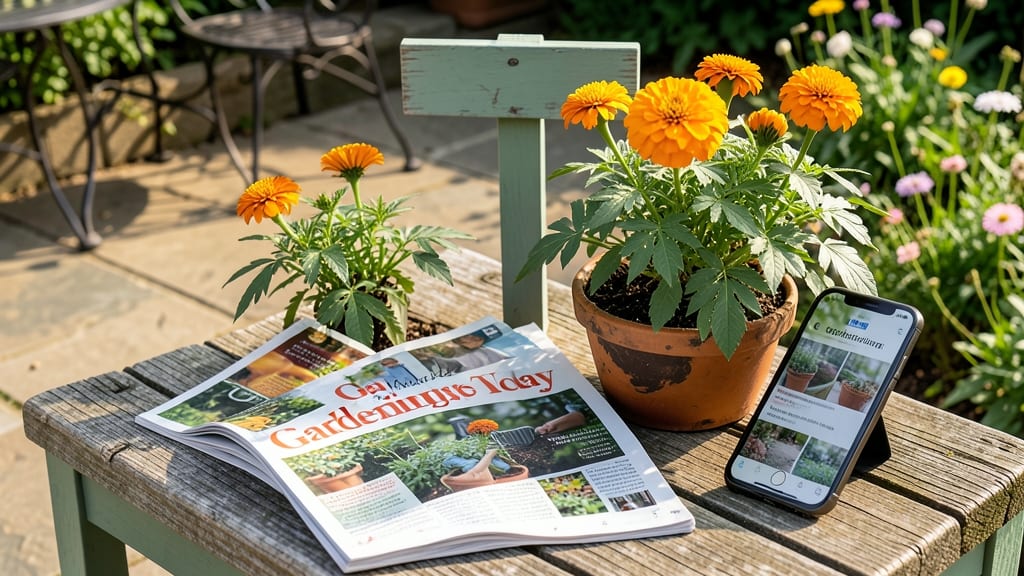
Today's gardening news focuses on eco-conscious practices like vertical farming systems, drought-tolerant plant varieties, and precision irrigation technology, while gardening experts caution against over-reliance on synthetic fertilizers and stress the importance of soil biodiversity for long-term plant health. Keep an eye on seasonal planting calendars and innovative gardening tools designed to reduce waste and water usage.
This year's gardening landscape is all about working smarter, not harder—especially with climate challenges. 🌱 The shift toward regenerative practices like composting and mulching isn't just eco-friendly; it's proven to boost yields by up to 30% over chemical-dependent methods.
Many nurseries now carry native plant collections, which require less water and maintenance while supporting local ecosystems. Urban gardeners are also embracing hydroponic setups and self-watering planters to maximize small spaces, proving that high-tech solutions can be both accessible and sustainable.
For those looking to upgrade their toolkit, smart sensors that monitor soil moisture and pH levels are becoming must-haves.
These devices sync with apps to deliver real-time alerts, helping prevent overwatering or nutrient deficiencies. 💧 Meanwhile, the rise of upcycled gardening tools—like rainwater collectors made from repurposed materials—shows how creativity can cut costs while reducing environmental impact.
Whether you're a seasoned pro or a beginner, integrating even one of these trends can transform your garden into a more resilient, productive space.
💡 In This Article
- Top Sustainable Gardening Trends Shaping 2024
- Essential Tools and Techniques for Modern Gardeners
Top sustainable gardening trends shaping 2024
The push toward regenerative gardening stems from growing evidence that healthy soil acts as a carbon sink, storing up to 3 tons of CO₂ per acre annually.
This trend goes beyond organic practices by focusing on soil biology—adding mycorrhizal fungi and biochar to improve water retention and nutrient cycling. 🌱 The science is clear: soils with high microbial activity can increase plant resilience by 20-40% compared to chemically treated grounds.
For example, farms using regenerative methods report 30% higher yields in drought years while using 50% less synthetic fertilizer—a win for both farmers and the environment.
Permaculture design is another game-changer, blending indigenous knowledge with modern ecology. Techniques like swales (berm trenches) capture and redirect rainwater, while guild planting (grouping compatible plants) mimics natural ecosystems.
A well-designed permaculture system can reduce water needs by up to 70% by leveraging deep-rooted plants that break soil compaction. 💧 The key difference from traditional gardening? Permaculture prioritizes long-term stability over short-term productivity, making it ideal for climate adaptation.
AI-driven soil analysis tools are revolutionizing precision gardening. Devices like the Soil Scout or Apex Pro use sensors to measure 16+ soil parameters in real time, including microbial activity and organic matter content.
These tools help gardeners apply fertilizers only where needed, cutting waste by up to 60% while boosting yields. 🌍 The data also reveals hidden patterns—for instance, some native plants thrive in slightly alkaline soils, while others prefer acidic conditions, allowing for more targeted planting strategies.
Urban micro-farming is exploding as city dwellers seek fresh, local produce. Vertical farming systems like GrowUp Towers fit on balconies, using 90% less water than traditional farming by recirculating nutrients.
Meanwhile, aquaponics—combining fish farming with hydroponics—creates a closed-loop system where fish waste feeds plants, eliminating runoff. 🐟 These methods aren't just space-efficient; they're 2-5 times more productive per square foot than ground-level gardens, making them perfect for rooftops and small apartments.
The native plant revival movement is gaining momentum as gardeners recognize their ecological benefits.
Plants like coneflowers and purple coneflower attract 30% more pollinators than non-native species while requiring half the water. 🐝 Native plants also support local food webs by providing habitat for birds and beneficial insects, creating a self-sustaining garden ecosystem.
Many cities now offer native plant sales with detailed planting guides, making it easier than ever to transition toward resilient landscapes.
For those just starting, small changes make a big impact. Swapping one chemical fertilizer application for compost, installing a rain barrel, or even planting a pollinator-friendly border can transform your garden's sustainability. The goal isn't perfection—it's progress toward a healthier, more self-sufficient growing space. 💫