
Blooming
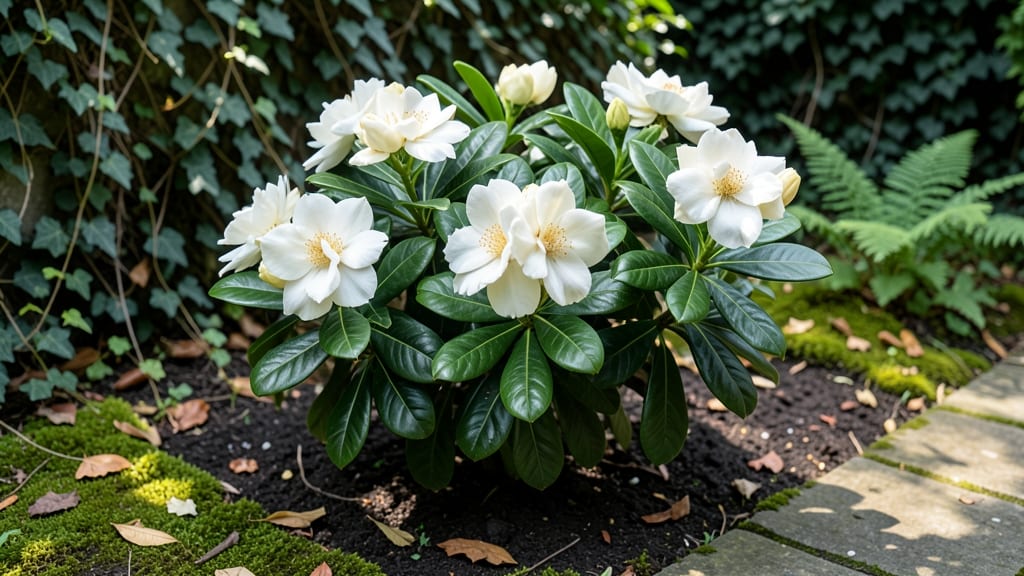
Gardenias bloom once annually in late spring to early summer, showcasing fragrant white flowers for 4-6 weeks. With proper pruning and care, some varieties may produce sporadic fall or winter blooms, though results depend heavily on climate and gardening practices.
Gardenias follow a natural seasonal rhythm that's primarily triggered by daylight length and temperature shifts. 🌸 In warmer climates, they often bloom more prolifically and may even produce secondary flushes, while temperate zones typically see just that single spring display.
The key to encouraging reblooming lies in mimicking their natural dormancy cycle—pruning after flowering and providing consistent moisture without waterlogging the roots.
What many gardeners don't realize is that gardenias actually set their buds during the previous growing season. This means your winter care—like avoiding heavy pruning and maintaining even moisture—can directly influence next year's bloom quality.
I've found that varieties like 'Kleim's Hardy' are particularly responsive to these care practices, often delivering that second bloom cycle when conditions are just right.
💡 In This Article
- Gardenia Blooming Seasons Explained
- Pruning and Care Tips to Maximize Gardenia Blooms
Gardenia blooming seasons explained
Gardenias rely on a combination of daylight length and temperature shifts to trigger their blooming cycle. This process, called photoperiodism, means they respond to decreasing daylight hours in late summer—typically around 10-12 hours of daylight—which signals their buds to form.
In tropical climates where temperatures stay consistently warm (above 60°F), gardenias often bloom more prolifically and may produce secondary flushes later in the year.
The timing of blooms also depends on your region's climate patterns. In temperate zones, gardenias usually bloom between May and June when daytime temperatures reach 70-85°F and nights stay above 55°F.
The flowers typically last 4-6 weeks before fading, but in warmer microclimates (like coastal areas), you might see extended blooming periods. 🌿 What's fascinating is that gardenias actually begin forming next year's flower buds during this initial bloom cycle—meaning your care during the first flush directly affects future blooming potential.
Dormancy plays a crucial role too. After blooming, gardenias enter a semi-dormant phase where growth slows. This natural rest period helps them conserve energy for next year's flowers.
In colder climates, gardenias may even drop some leaves as a protective measure, though varieties like 'Radicans' are more cold-tolerant and handle winter better. The key difference between tropical and temperate gardenias lies in their ability to handle temperature fluctuations—tropical varieties bloom more continuously when kept warm year-round.
Light exposure matters just as much as temperature. Gardenias need bright, indirect sunlight (at least 6 hours daily) to produce strong blooms. Too much direct sun can scorch leaves, while insufficient light leads to fewer flowers.
I've noticed that gardenias grown in morning sun with afternoon shade produce the most abundant blooms—this balance prevents leaf burn while maintaining the energy needed for flowering. The relationship between light and temperature creates what botanists call "floral induction," where the plant recognizes optimal conditions to begin bud formation.
Climate also affects bloom duration. In humid tropical regions, gardenias may produce flowers sporadically throughout the year, while in drier temperate zones, they typically have just one main bloom period. The humidity level—ideally between 50-70%—plays a surprising role too.
Higher humidity helps maintain the delicate petals' moisture, preventing them from drying out prematurely. This is why gardenias often thrive near water features or in coastal gardens where natural humidity is higher. 💧
Understanding these biological triggers helps explain why some gardenias bloom more reliably than others. Varieties like 'Veitchii' are particularly sensitive to temperature changes and may skip blooming entirely in years with extreme weather fluctuations. Meanwhile, 'Fortuniana' gardenias tend to be more forgiving, producing flowers even in slightly less ideal conditions.
The bottom line? Gardenias follow a precise seasonal rhythm that's influenced by both environmental factors and your care practices.