
Tools
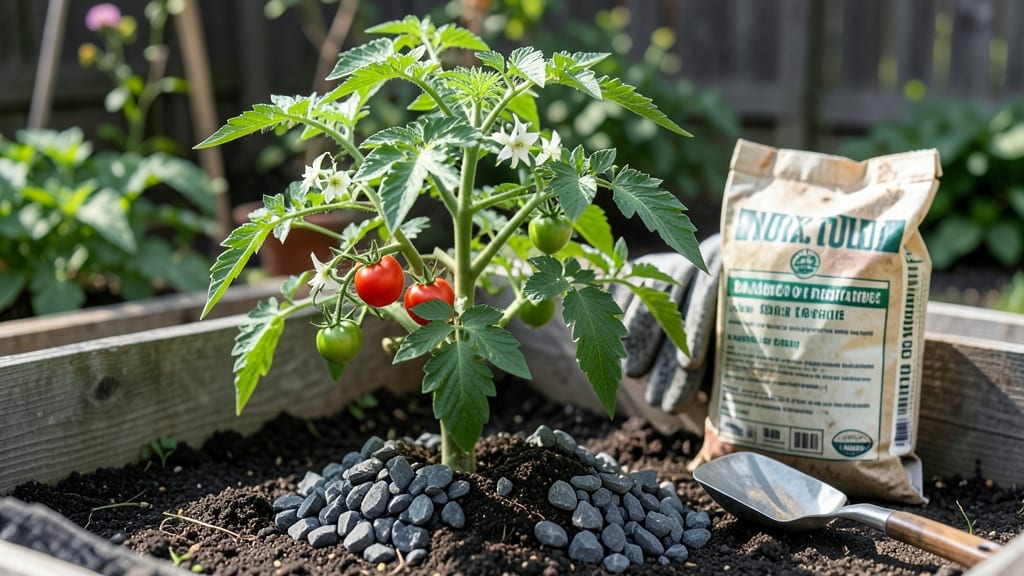
Coal ash is not good for gardens because it contains dangerous levels of heavy metals like arsenic and mercury that can contaminate soil and harm plants over time. While it may temporarily raise soil pH, safer options like wood ash or compost are far better for long-term garden health.
Using coal ash in your garden might seem like a free way to adjust soil acidity, but the risks far outweigh any potential benefits. 🌱 The Environmental Protection Agency (EPA) warns that coal ash often contains toxic levels of arsenic, lead, and mercury—metals that don't break down and can accumulate in your plants, especially leafy greens and root vegetables.
Even small amounts can work their way into your food chain, posing serious health risks. For pH adjustment, I always recommend wood ash (from untreated wood) or agricultural lime, both of which are far safer and won't introduce harmful contaminants.
If you're dealing with acidic soil, compost is another excellent option—it improves soil structure while adding beneficial nutrients without the dangers of heavy metals. The key is to test your soil first using a simple pH kit, then choose amendments that will improve your garden's health without compromising safety.
Always remember: what seems like a quick fix can sometimes create long-term problems for both your plants and your family.
💡 In This Article
- Heavy Metal Risks in Coal Ash for Soil Health
- Safer Soil Amendments for pH Adjustment and Fertility
Heavy metal risks in coal ash for soil health
Coal ash contains dangerous concentrations of heavy metals like arsenic, lead, and mercury that originate from burning coal. These metals don't degrade in soil—they simply accumulate over time, becoming more concentrated with each application.
For example, arsenic levels in coal ash can reach 100-300 parts per million (ppm), far exceeding safe limits for agricultural use where the EPA recommends less than 10 ppm in soil. 🔥 When plants absorb these toxins, they can't metabolize them, leading to stunted growth or even death in severe cases.
The real danger lies in edible crops. Leafy greens like lettuce and spinach absorb heavy metals through their leaves, while root vegetables like carrots and potatoes take them up through the soil.
Studies from the Journal of Environmental Quality found that arsenic levels in crops grown in coal ash-amended soil increased by up to 50% compared to control plots. Even small amounts in your food can pose health risks over time, particularly for children and pregnant women.
Another critical factor is how these metals behave in soil chemistry. Arsenic, for instance, becomes more soluble in acidic soils, making it easier for plants to absorb. Lead, meanwhile, binds to soil particles but remains bioavailable—meaning it can still enter the food chain through contaminated water or dust.
The EPA classifies coal ash as a hazardous waste in many cases, yet gardeners often use it without realizing the long-term consequences for both soil health and human safety.
What makes this especially concerning is the cumulative effect. Even if you use coal ash once, those heavy metals stay in your soil for decades.
A 2018 study in Science of the Total Environment found that arsenic levels in soil treated with coal ash remained elevated for over 20 years, with no natural breakdown process. This means one "quick fix" for soil pH could contaminate your garden for generations.
Visual signs of heavy metal toxicity in plants include yellowing leaves, brown spots, or stunted growth—symptoms that gardeners often mistake for nutrient deficiencies.
However, unlike nutrient issues that can be corrected with fertilizers, heavy metal contamination requires complete soil remediation, which can be costly and time-consuming. 🌱 The best approach is prevention: avoid coal ash entirely and opt for safer soil amendments that won't leave your garden—and your family—at risk.