
Tools
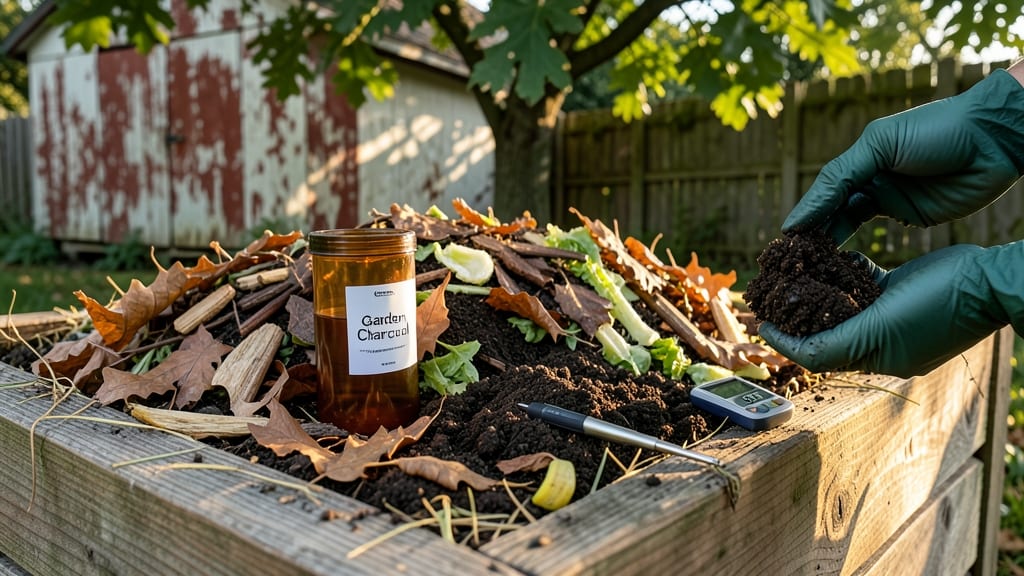
Coal is not good for the garden—its high pH and toxic chemical composition (arsenic, sulfur) can harm plants, disrupt soil microbiology, and contaminate groundwater. Avoid using it as fertilizer or soil amendment entirely.
Using coal in your garden might seem like a quick fix for acidic soil, but the risks far outweigh any potential benefits. 🌱 The alkaline ash from burning coal raises soil pH dramatically, creating an inhospitable environment for most plants.
Even small amounts introduce dangerous heavy metals like arsenic and lead, which accumulate over time and poison both plants and soil organisms. Plus, coal ash doesn't break down—it just sits there, slowly degrading your soil's fertility and structure.
Instead of coal, consider organic acidifiers like elemental sulfur or composted pine needles. These lower pH naturally while improving soil health, giving your plants the balanced environment they need to thrive.
For example, blueberries love acidic soil (pH 4.5-5.5), while tomatoes prefer slightly acidic to neutral (pH 6.0-6.8)—each plant has its own needs, and coal can't help with that.
💡 In This Article
- How Coal Alters Soil Chemistry and Plant Health
- Safe Soil Acidifiers for Gardeners: Alternatives to Coal
How coal alters soil chemistry and plant health
When coal burns, it leaves behind alkaline ash containing calcium and magnesium oxides, which can raise soil pH from neutral (7.0) to strongly alkaline (8.0-9.0).
This dramatic shift disrupts nutrient availability—essential elements like iron, manganese, and phosphorus become locked away in insoluble forms, starving plants of critical minerals.
For example, a 1-pound bag of coal ash can raise the pH of 100 square feet of garden soil by 1.5-2.0 points, creating conditions where most vegetables and flowers struggle to thrive.
The real danger lies in coal's toxic byproducts. Unburned coal contains trace amounts of arsenic, lead, and mercury, which concentrate in the ash. These heavy metals don't break down—they accumulate in the soil over time.
A study from the Environmental Protection Agency (EPA) found that coal ash can contain up to 100 times more arsenic than normal soil, a level toxic to both plants and beneficial microbes.
The texture of coal ash is gritty and abrasive, physically damaging delicate root systems while creating microenvironments where harmful bacteria thrive.
Beyond chemistry, coal ash disrupts the delicate microbial balance of healthy soil. Beneficial bacteria and fungi that decompose organic matter and fix nitrogen become stressed or die off in alkaline conditions. Without these microbes, soil structure degrades—particles clump together, reducing aeration and water retention.
You'll notice plants growing in coal-treated soil develop yellowing leaves (chlorosis) and stunted roots, as they can't access nutrients even if they're present in the soil.
What most gardeners don't realize is that coal's effects persist for years. Unlike organic amendments that decompose, coal ash remains chemically inert in the soil. Over time, it creates a hardpan layer that restricts root growth and increases runoff, washing away precious topsoil.
The visual signs are unmistakable: plants wilt despite adequate watering, flowers fail to bloom, and weeds like lambsquarters thrive—an indicator of extreme soil imbalance.
Consider the contrast with organic matter like compost, which gradually releases nutrients while improving soil structure. A 1-inch layer of compost lowers pH naturally by 0.5-1.0 points over months, without introducing toxins.
The difference is like comparing a chemical drain cleaner to a gentle household cleaner—one burns away problems, while the other maintains balance. For acid-loving plants like azaleas or hydrangeas, coal could seem helpful at first, but the long-term damage makes it a false solution.
The most alarming aspect is groundwater contamination. When coal ash leaches into soil, heavy metals like arsenic can seep into water tables, posing risks to both plants and drinking water sources.
The EPA classifies coal ash as hazardous waste in some contexts, yet many gardeners unknowingly use it as a soil amendment. This is why landscape professionals universally recommend against coal—there's simply no safe way to use it in gardening without causing harm.