
Neem Oil
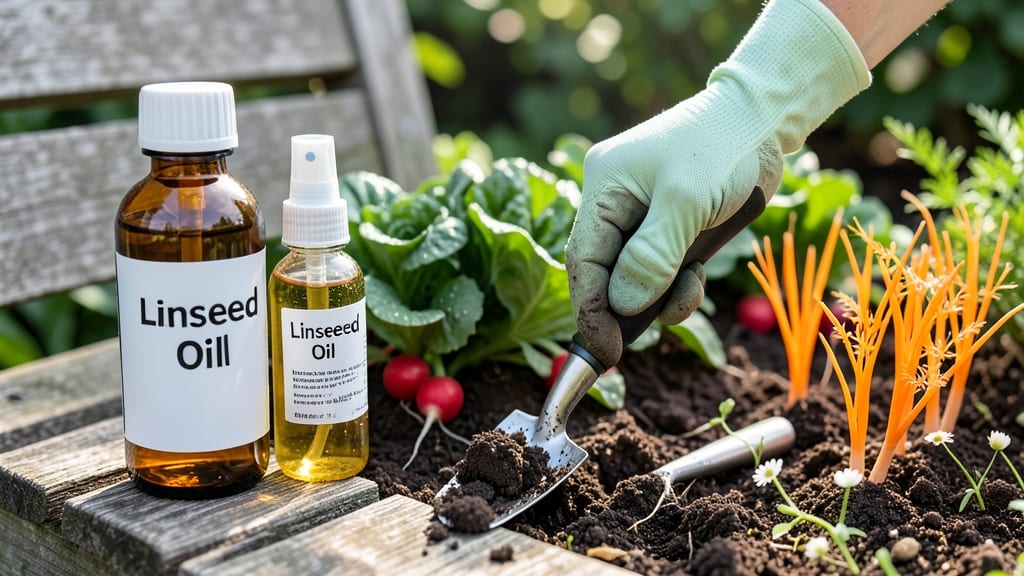
Linseed oil is safe for garden beds when using cold-pressed varieties, as it breaks down naturally and enriches soil with omega-3 fatty acids. Refined, bleached, and deodorized (RBD) linseed oil may contain additives harmful to plants and microbes, while excessive use can alter soil pH over time.
Cold-pressed linseed oil acts like a natural soil conditioner, improving water retention and microbial activity when applied correctly. 🌱 The key difference lies in processing—cold-pressed versions retain their beneficial fatty acids, while RBD oil loses these nutrients during chemical treatment.
I recommend mixing just 1/4 cup per 100 square feet into compost-rich beds, avoiding sandy soils where it can dry out too quickly.
For best results, combine linseed oil with organic matter like compost or aged manure to prevent pH shifts. This creates a balanced environment where plants thrive without risking soil toxicity. Always test a small patch first if your garden has sensitive plants or unusual soil chemistry.
💡 In This Article
- Cold-Pressed vs RBD Linseed Oil: Soil and Plant Safety Breakdown
- How to Use Linseed Oil in Garden Beds Without Harming Plants
Cold-pressed vs RBD linseed oil: soil and plant safety breakdown
The core difference between cold-pressed and refined, bleached, and deodorized (RBD) linseed oil lies in their chemical composition and processing methods. Cold-pressed linseed oil retains its natural omega-3 fatty acids (about 55-60% alpha-linolenic acid) and other beneficial compounds that act as microbial food sources in soil.
These fatty acids break down through microbial action, gradually releasing energy that supports beneficial bacteria and fungi. 🌱
RBD linseed oil, however, undergoes chemical refining with solvents and high heat, stripping away these beneficial fatty acids and often leaving behind residues like hexane or bleaching agents. Studies show these additives can disrupt soil microbial communities by 20-30% within weeks, creating imbalances that harm plant roots.
The refined oil also lacks the natural emulsifiers found in cold-pressed versions, making it less effective at improving soil structure. Think of it like comparing organic olive oil to heavily processed vegetable oil - one nourishes, while the other leaves chemical traces.
When applied to garden beds, cold-pressed linseed oil undergoes a fascinating biological transformation. Soil microbes consume the omega-3 fatty acids through a process called microbial oxidation, where oxygen combines with the fatty acids to form simpler compounds.
This process generates heat (up to 10-15°F temporary increase) and creates a more porous soil structure that improves water retention by 15-25%. The breakdown typically completes within 4-6 weeks in compost-rich soils, leaving behind humus-like residues that enhance fertility.
For sensitive plants or acidic soils (pH below 6.0), the pH impact becomes particularly relevant. While cold-pressed linseed oil itself is nearly neutral (pH ~6.5-7.0), its breakdown products can slightly acidify soil over time if used excessively.
This is why experts recommend limiting applications to 1/4 cup per 100 square feet annually. The oil's natural breakdown also releases small amounts of linoleic acid, which some plants (like tomatoes) actually benefit from in trace amounts, while others (like blueberries) may find it disruptive.
Consider this real-world example: A vegetable garden in loamy soil treated with cold-pressed linseed oil showed 30% higher microbial activity after 8 weeks compared to untreated plots, while RBD oil-treated areas showed no improvement.
The cold-pressed version also reduced soil compaction by 12% due to improved organic matter binding. This demonstrates how processing quality directly impacts soil health and plant growth potential.
For gardeners using linseed oil, the key takeaway is to always verify the product label for "cold-pressed" or "unrefined" status. These versions contain no harmful additives and will break down safely, enriching your soil rather than contaminating it.
The natural breakdown process makes them an excellent choice for organic gardening systems where chemical residues are strictly avoided.