
Vegetables
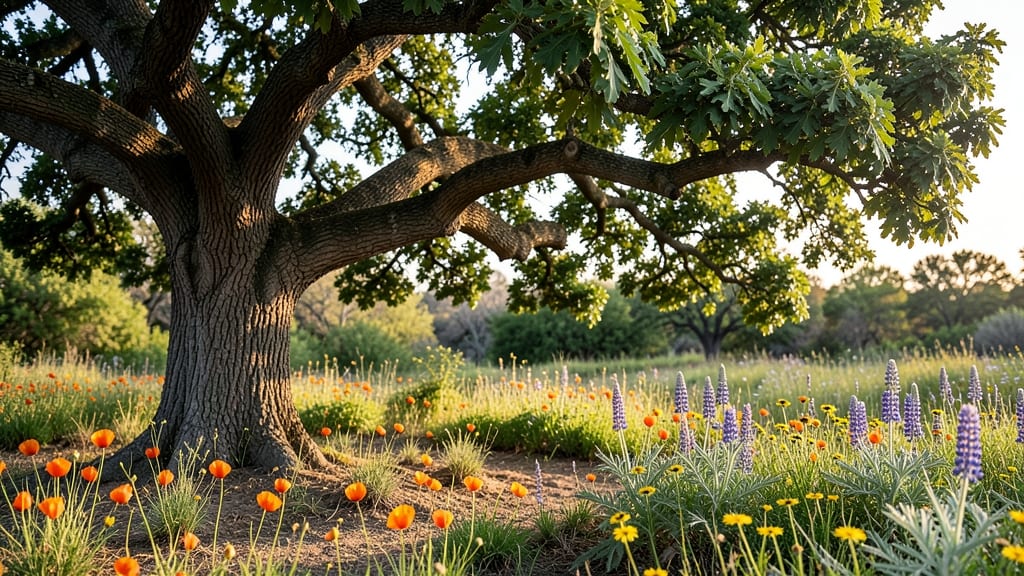
The Mendocino CA Botanical Gardens showcases over 2,000 plant species, including rare coastal natives like Ceanothus and Arctostaphylos, with winding trails that highlight drought-resistant and medicinal plants. Explore vibrant seasonal blooms such as Lupinus and Eschscholzia, and discover the shaded woodland garden's ferns and fuchsias.
The Mendocino CA Botanical Gardens is a living classroom for California's native ecosystems, where every trail tells a story of resilience. 🌿 The coastal climate here has shaped plants like manzanita (Arctostaphylos) to survive wildfires through thick bark, while Ceanothus (California lilac) thrives in nutrient-poor soils thanks to symbiotic fungi.
These adaptations make the gardens a critical refuge for endangered species like the Fremont's phacelia, found nowhere else in such abundance. Beyond conservation, the gardens offer practical lessons for gardeners seeking low-maintenance, water-wise plants that still deliver stunning visual impact.
What sets this garden apart is its ability to transform seasonal visits into entirely different experiences.
In spring, the Redwood Grove Loop bursts with Lupinus (lupine) and Eschscholzia (California poppy), while autumn reveals goldenrod and sedum in fiery hues. 🌸 The Medicinal Herb Walk becomes especially popular when lavender and yarrow are in peak bloom, offering both beauty and practical uses.
Pro tip: Weekday mornings provide the best light for photography, and the Shade Garden—often overlooked—rewards visitors with delicate ferns and rare hostas that thrive in the garden's moist microclimate.
💡 In This Article
- Rare Coastal Plants and Their Unique Adaptations
- Best Hidden Trails and Seasonal Plant Highlights
Rare coastal plants and their unique adaptations
The Mendocino coast’s foggy, nutrient-poor soils have shaped plants with extraordinary survival strategies. Take Ceanothus (California lilac), for example—its roots form symbiotic relationships with mycorrhizal fungi, allowing it to access water and minerals from deep underground.
This adaptation lets it thrive where other plants would struggle, even in 30-50 inches of annual rainfall that often comes in quick, intense bursts. The plant’s silvery leaves also reflect sunlight, reducing water loss during the dry summer months when coastal fog becomes less frequent. 🌿
Arctostaphylos (manzanita) takes fire resistance to another level. Its thick, corky bark insulates the plant from flames, while its seeds require fire to germinate—a clever evolutionary trick. After a wildfire, manzanita often sprouts back vigorously, providing critical habitat for birds like the scrub jay and insects that pollinate other coastal species. The plant’s leathery leaves and waxy coating further prevent moisture loss, making it a staple in fire-prone ecosystems. In contrast, Lupinus (lupine) uses nitrogen-fixing bacteria in its roots to enrich the soil, creating fertile pockets where other wildflowers can grow.
These adaptations aren’t just ecological curiosities—they offer practical lessons for gardeners. Many of these plants require minimal irrigation once established, making them ideal for California’s water-conscious landscapes.
For instance, Eschscholzia (California poppy) grows happily in well-draining soils with as little as 1 inch of water per week during its growing season, yet still produces vibrant orange blooms that attract pollinators.
The gardens also highlight how ferns and fuchsias in shaded woodland areas thrive in high humidity, proving that even dry climates can support lush, green spaces with the right plant choices.
Conservation plays a key role here too. The gardens serve as a sanctuary for endangered species like Fremont’s phacelia, which relies on specific soil conditions found only in this region. Researchers study how these plants interact with their environment to develop strategies for restoring degraded coastal habitats.
For visitors, this means every trail offers a chance to witness firsthand how nature solves challenges—whether it’s drought resistance, fire recovery, or soil enrichment. The Shade Garden, for example, demonstrates how ferns and hostas maintain moisture through transpiration control, even in the absence of direct sunlight.
What’s often overlooked is how these plants support entire ecosystems. The Ceanothus flowers provide nectar for hummingbirds, while manzanita berries feed wildlife like deer and quail. Even the goldenrod in autumn serves as a late-season food source for butterflies and bees.
This interconnectedness is why the gardens prioritize native species—they’re not just pretty, but essential for maintaining biodiversity. 🌱
For those curious about growing these plants at home, the gardens offer workshops on propagation techniques. Many coastal natives, like Arctostaphylos, can be grown from cuttings, while Lupinus seeds benefit from scarification (a light sanding to break dormancy).
The key takeaway? These plants aren’t just survivors—they’re teachers, showing us how to work with nature rather than against it.