
Tools
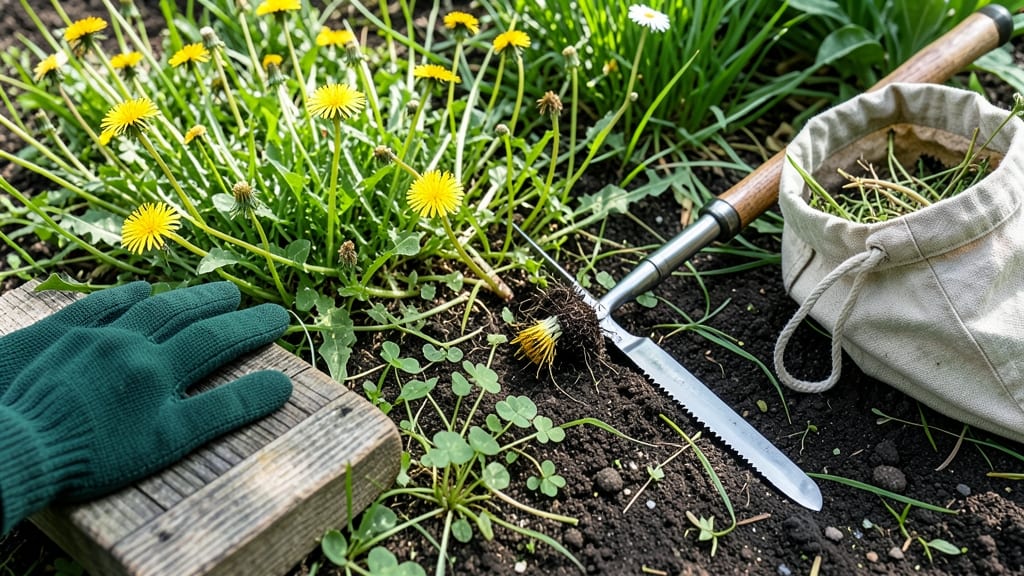
Celebrating National Weed Your Garden Day on the first Saturday in May gives you the perfect chance to tackle invasive weeds before they take over. Start with surface weeds like dandelions and clover in the morning, then move to deeper roots in the afternoon for healthier plants and a cleaner garden.
This annual event isn't just about aesthetics—it's a strategic move to prevent weeds from stealing nutrients and sunlight from your plants. 🌱 Early May is ideal because soil temperatures are warming, making it easier to pull weeds without damaging your garden's root systems.
I always prioritize shallow-rooted weeds first, as they're easier to remove and less likely to regrow. For deeper weeds like bindweed, I use a long-handled weeding tool to avoid straining my back while keeping the surrounding plants intact.
What makes this day special is how it aligns with weed growth patterns. Many weeds germinate in spring, so removing them early prevents them from establishing deep roots. Plus, the cooler morning temperatures reduce plant stress, making it easier to work around delicate flowers and vegetables.
Pro tip: Water your garden a day before weeding—moist soil makes weeds easier to pull, and your plants will thank you for the hydration boost!
💡 In This Article
- Why Timing Matters on National Weed Your Garden Day
- Plant-Specific Weeding Strategies for Your Garden
Why timing matters on national weed your garden day
Early May is the sweet spot for weeding because it aligns perfectly with weed seed germination windows. Most common garden weeds—like crabgrass and chickweed—begin sprouting when soil temperatures reach 50-55°F, which typically occurs in late April to early May in most temperate climates.
By targeting weeds at this stage, you prevent them from establishing deep root systems that can be nearly impossible to remove later in the season. 🌱 The cooler morning temperatures also reduce plant stress, making it easier to work around delicate seedlings without causing damage.
Soil temperature plays a critical role in root extraction efficiency. Warmer soil (60-65°F) softens weed roots, making them easier to pull without breaking, while cooler morning conditions (often 55-60°F) help preserve moisture in your garden plants.
This is why professionals recommend morning weeding sessions—it's a strategic balance between soil conditions and plant resilience. The longer you wait, the more competitive weeds become, stealing up to 40% of available nutrients from your desired plants by midsummer.
Timing also affects how weeds compete for sunlight. Young weeds have shallow root systems that don't yet block light to deeper plants. Removing them early prevents the "weed canopy effect," where dense foliage shades out vegetables and flowers, reducing their growth by 20-30%.
This is particularly critical for leafy greens like lettuce and spinach, which need full sunlight to thrive. The first Saturday in May gives you that perfect window to strike before weeds gain a competitive edge.
Ecologically, early intervention prevents weed seeds from maturing and spreading. Many weeds produce thousands of seeds per plant—dandelions can release up to 2,000 seeds in a single season. By removing weeds before they flower, you break their reproductive cycle.
This is especially important for perennial weeds like bindweed, which can lie dormant for years before resurfacing. The key is to act before weeds develop their full biomass, typically within the first 4-6 weeks of spring growth.
Consider the moisture factor too. After a spring rain, weeds are easier to pull because their roots are softer and the soil is loose. However, avoid weeding immediately after heavy rain when soil can become compacted, making root extraction harder.
The ideal timing is 24-48 hours after rainfall, when moisture levels are optimal but the soil has firmed up slightly. This gives you the best of both worlds: pliable roots and stable ground for working.
For maximum effectiveness, pair your weeding with a light mulching session. Applying 2-3 inches of organic mulch after removing weeds suppresses new growth by blocking sunlight and reducing soil temperature fluctuations. This two-step approach creates a long-term weed barrier while protecting your garden's moisture levels.
The mulch also breaks down over time, adding nutrients back to the soil—making it a win-win for both weed control and plant health.