
Tools
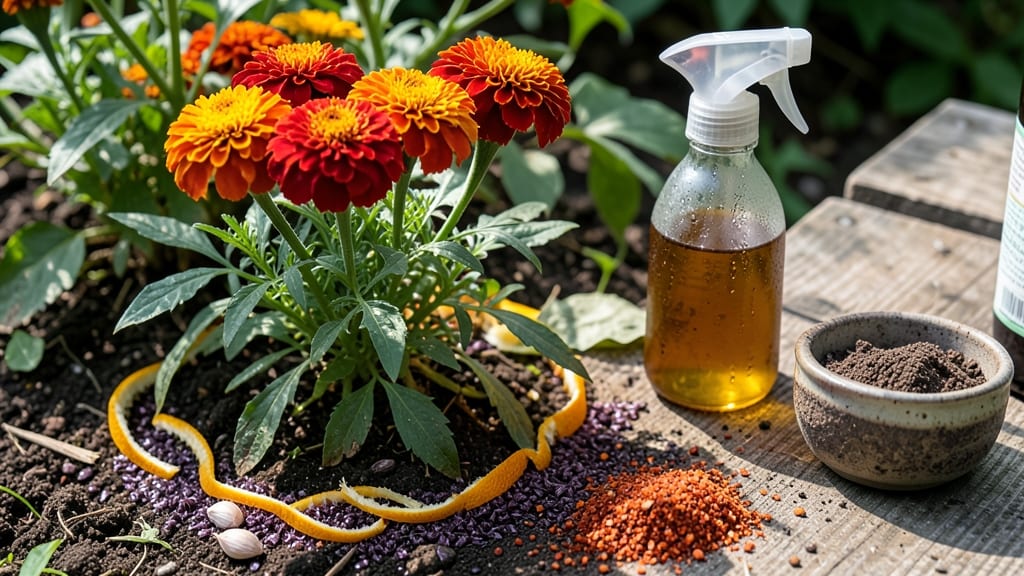
Creating natural garden repellent is simple and effective—use kitchen staples like garlic, chili peppers, or citrus peels blended with water and soap to repel pests such as aphids, slugs, and deer. Always test on a small plant area first to prevent damage.
These homemade sprays work by leveraging ingredients that pests naturally avoid. 🌿 For example, the capsaicin in chili peppers irritates insects' sensory systems, while garlic's sulfur compounds disrupt their feeding patterns.
I've found that adding a few drops of dish soap helps the mixture cling to plant leaves, making it more effective against soft-bodied pests like aphids. The key is balancing potency with plant safety—too strong a concentration can harm foliage, so always dilute properly.
For best results, I recommend applying these repellents during early morning or late evening when pests are most active. Store any leftovers in a spray bottle in a cool, dark place for up to two weeks.
If you notice pests returning, simply remix a fresh batch—it's a cost-effective way to keep your garden thriving without harsh chemicals.
💡 In This Article
- How Homemade Pest Repellents Work Against Common Garden Invaders
- 5 Best Kitchen-Based Natural Repellent Recipes for Specific Pests
How homemade pest repellents work against common garden invaders
The science behind these natural repellents lies in how specific ingredients disrupt pests' sensory systems and feeding behaviors. Take capsaicin from chili peppers—this compound irritates insects' nervous systems, creating a burning sensation that deters them from landing.
Studies show even tiny amounts can repel aphids and tomato hornworms within minutes, as their antennae detect the chemical as a threat. 🔥 The sulfur compounds in garlic act similarly, masking plants' natural scents that attract pests while releasing a pungent aroma that many insects find overwhelming.
Garlic's effectiveness comes from its alliin and allicin compounds, which break down into volatile oils that evaporate and spread through the air. These oils have been shown to repel soft-bodied pests like slugs and snails by interfering with their mucus production—a critical survival mechanism.
For larger pests like deer, the strong scent acts as a territorial marker, signaling that the area is occupied by something they perceive as dangerous. The key is dilution: using 1-2 crushed garlic cloves per quart of water ensures plant safety while maintaining repellent power.
Citrus peels work through a different mechanism—their high limonene content disrupts pests' pheromone communication. For example, deer avoid areas with citrus because the scent interferes with their ability to detect food sources over long distances.
When you blend peels into water, the limonene creates a thin, oily film on leaves that pests find unappealing to touch. This method is particularly effective against rabbits, which have sensitive noses and avoid areas with strong citrus aromas.
Always use organic citrus peels to avoid introducing synthetic chemicals to your garden.
Dish soap plays a crucial but often misunderstood role—it's not toxic but acts as an emulsifier that helps the repellent mixture cling to plant surfaces. Without it, water-based sprays would evaporate too quickly. Use just 1 teaspoon per gallon of soapy water; more can damage plant leaves.
The soap's surface tension properties create microscopic droplets that adhere to foliage, ensuring the active ingredients remain in contact with pests longer. This is why commercial organic sprays often include similar ingredients—science confirms what gardeners have known for generations.
Temperature and humidity also affect repellent efficacy. Sprays work best when applied to dry foliage in 60-80°F conditions—the ideal range for chemical evaporation. In high humidity, you may need to reapply more frequently as rain can wash away the mixture.
For persistent pests, combine ingredients: for example, a garlic-chili blend works better than single-ingredient sprays because it confuses pests' sensory systems through multiple chemical signals. Always conduct a patch test on a small leaf area first—some plants, like ferns, are sensitive to even natural compounds.
What's fascinating is how these repellents work differently at various life stages. For instance, chili sprays are most effective against aphid eggs because the capsaicin disrupts their hatching process, while garlic works better on adult aphids by repelling them directly.
This stage-specific effectiveness means you can tailor your repellent strategy based on what pests you're currently battling in your garden. The beauty of these methods is their adaptability—you're not just fighting pests, you're working with nature's own chemical language.