
Tools
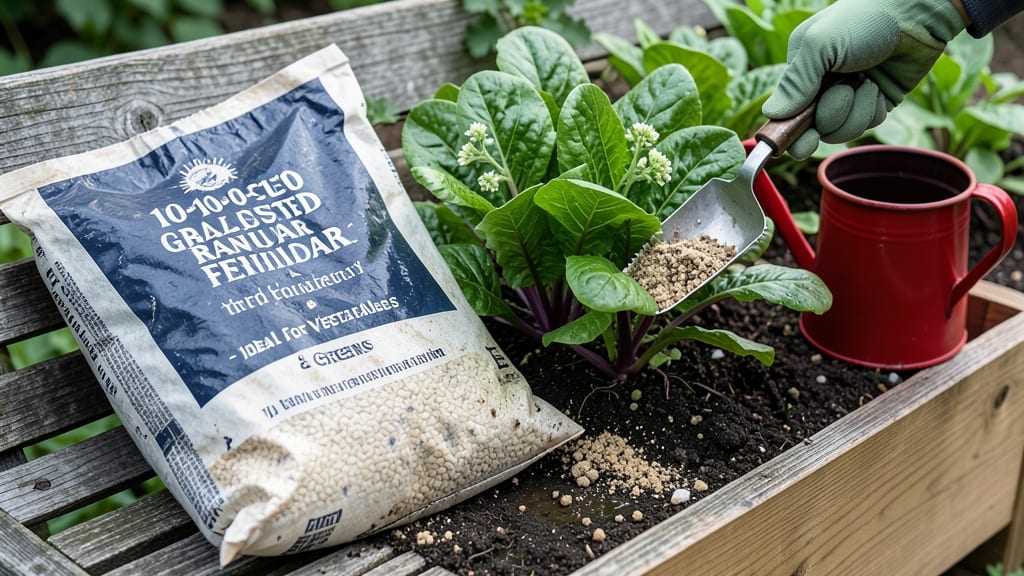
Nitrogen for gardens is crucial for producing vibrant leafy growth in plants like vegetables, grasses, and leafy greens. Use organic options such as compost or manure, or synthetic fertilizers like urea and ammonium nitrate, tailored to your soil test results.
This nutrient is the building block of chlorophyll, the pigment that gives plants their green color while also supporting protein synthesis and vigorous root development. 🌱 Fast-release nitrogen (like urea) delivers quick results, ideal for new growth phases, while slow-release options (such as composted manure) provide steady nourishment over time.
Microbes in the soil play a key role by converting nitrogen into forms plants can absorb, a process influenced by moisture, temperature, and soil pH.
Understanding these dynamics helps you avoid common mistakes like over-fertilizing, which can lead to leaf burn or excessive, weak growth. Testing your soil first ensures you apply the right amount of nitrogen—whether through organic matter or synthetic boosts—to match your plants' specific needs.
💡 In This Article
- How Nitrogen Boosts Plant Growth Through Soil Science
- Best Plants for High-Nitrogen Soil and Application Tips
How nitrogen boosts plant growth through soil science
Nitrogen is the backbone of chlorophyll, the green pigment that captures sunlight for photosynthesis. When plants absorb nitrogen—primarily in nitrate (NO₃⁻) or ammonium (NH₄⁺) forms—they use it to build amino acids, the building blocks of proteins.
This process fuels rapid cell division, which is why nitrogen-rich soils produce plants with thick stems and abundant foliage. For example, a 1-pound tomato plant may require 0.5-1.5 pounds of nitrogen during its growing season to develop its extensive leaf canopy and fruit structure. 🌿
The soil's microbial ecosystem converts nitrogen into plant-available forms through two critical processes: nitrification (where ammonia becomes nitrates) and denitrification (where excess nitrates return to the atmosphere). These transformations depend heavily on soil moisture, temperature, and pH—ideal conditions are 60-80°F with pH 6.0-7.0.
Fast-release nitrogen sources like urea (46% nitrogen) provide immediate growth spurts, perfect for seedlings or recovering lawns, while slow-release options like composted manure (1-3% nitrogen) feed plants gradually over weeks or months.
Too much nitrogen creates an imbalance, though. Excessive nitrogen leads to soft, pale leaves that attract pests and fungal diseases, while deficient nitrogen results in stunted growth and yellowing between leaf veins.
The key is precision: soil tests reveal your nitrogen levels, allowing you to apply 0.5-1 pound of nitrogen per 100 square feet for vegetables or 0.25-0.5 pound for ornamental plants. This targeted approach prevents waste while maximizing plant vigor. 💡
Organic nitrogen sources like blood meal (12% nitrogen) or fish emulsion (5-10% nitrogen) release nutrients gradually, improving soil structure over time. Synthetic options like ammonium sulfate (21% nitrogen) deliver quick results but require careful monitoring to avoid runoff.
The choice depends on your plants' growth stage: fast-release nitrogen for early growth, slow-release for sustained nourishment. This balance ensures your garden thrives without environmental harm. 🌱
Consider the timing too. Spring is ideal for applying nitrogen to lawns and vegetables, as cooler temperatures slow microbial activity, reducing nitrogen loss. In contrast, summer applications should be split into smaller doses to prevent leaf burn.
Foliar sprays with diluted urea (1-2 tablespoons per gallon) provide a quick boost during active growth phases, bypassing soil limitations. 🌞
Here's what happens under the soil: Mycorrhizal fungi form symbiotic relationships with plant roots, enhancing nitrogen uptake by up to 80% in some cases. This natural partnership explains why well-established plants often outperform younger ones in nitrogen-poor soils.
By fostering these microbial communities through compost or cover crops, you create a self-sustaining nitrogen cycle that benefits your garden long-term. ✨