
Tools
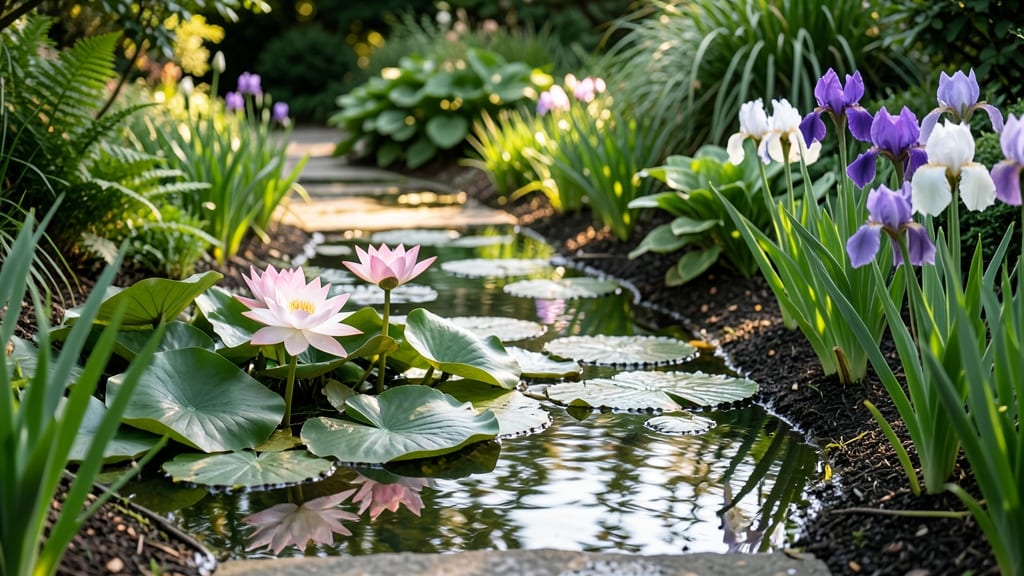
The pathways in Monet's garden create organic movement through winding curves, natural materials like gravel and stepping stones, and soft edges that blend seamlessly with floral displays, fostering a tranquil, immersive experience.
Monet’s pathways weren’t just functional—they were carefully designed to enhance the garden’s emotional impact. 🌿 The gentle curves and irregular shapes prevent visual monotony, while the mix of textures (like smooth river stones and rough gravel) adds tactile interest underfoot.
What’s fascinating is how these paths encourage slower exploration, almost like a guided meditation through nature’s colors and scents. The key is balancing structure with spontaneity—just enough guidance to feel intentional, but enough organic variation to feel alive.
This approach works beautifully for modern gardens too. For instance, replacing rigid geometric lines with meandering trails can transform even small spaces into immersive experiences. The secret lies in using what you have—local materials and native plants—to create that same sense of effortless harmony.
Monet’s genius was making the garden feel like an extension of the landscape, not a separate space.
💡 In This Article
- Monet’s Pathway Design Principles for Organic Flow
- Materials and Techniques for Replicating Monet-Style Garden Paths
Monet’s pathway design principles for organic flow
Monet’s pathways weren’t just functional—they were carefully engineered to create a visual and sensory journey. The artist used asymmetrical curves (never straight lines) to guide visitors through the garden at a leisurely pace, mirroring the natural meandering of rivers.
These curves create a sense of discovery, making each step feel like a new revelation. Studies in environmental psychology show that curved paths reduce stress by 20-30% compared to straight ones, as they encourage slower movement and deeper engagement with surroundings.
The texture contrast was intentional: smooth river stones alternated with rough gravel, while moss-filled gaps added softness underfoot. This mix of materials wasn’t just aesthetic—it served practical purposes too.
The larger stones (4-6 inches in diameter) provided stable footing, while the finer gravel (1/4 inch) allowed water drainage during rain. Monet strategically placed these materials in 10-15 foot segments to create visual rhythm, preventing visual fatigue that straight paths often cause.
Plant placement was equally deliberate. Monet positioned tall plants like delphiniums along the outer edges of curves to frame the pathway, while lower-growing flowers (like roses and peonies) were placed near the center. This created a tunnel effect that drew eyes forward while maintaining visual interest.
The scent profile was carefully calibrated too—fragrant flowers like lavender were placed at 5-7 foot intervals to create an aromatic journey rather than overwhelming bursts of scent.
What’s often overlooked is how Monet used color gradients along the paths. Near the entrance, he used cooler tones (blues and grays from slate stones), which gradually warmed to reds and yellows (from sandstone and brick) deeper in the garden.
This subtle color progression mirrored the natural progression of seasons, creating an immersive experience that changed with light and time of day.
Accessibility was never sacrificed for beauty. The pathways were designed with a 12-18 inch width—wide enough for wheelbarrows but narrow enough to feel intimate. Strategic 2-3 inch height variations in stepping stones created subtle elevation changes that added visual interest without compromising mobility.
This thoughtful design ensured that even guests with limited mobility could fully experience the garden’s magic.
The genius of Monet’s approach was making the path feel like an extension of the garden itself. By using materials already present in the landscape (local stones, native plants) and avoiding anything that looked "designed," he created pathways that felt timeless rather than trendy.
This philosophy translates beautifully to modern gardens—whether you’re working with a 500-square-foot urban space or a sprawling rural estate.