
Tools
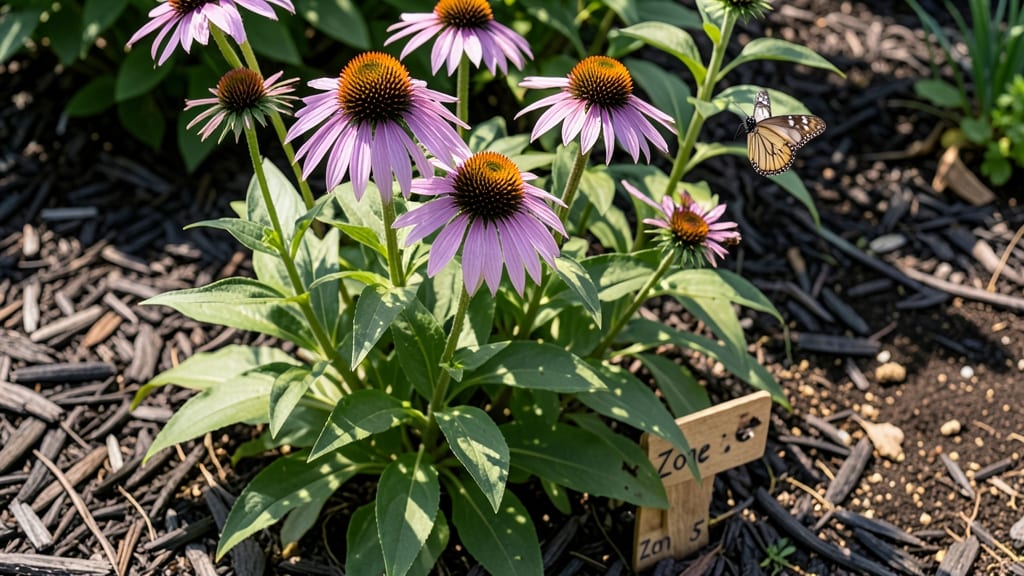
Creating a successful perennial garden in Zone 5 requires frost-hardy plants like coneflowers, hostas, and lavender, planted either in early spring after the last frost or late fall before hard freezes. A staggered planting schedule helps roots establish before winter.
A perennial garden in Zone 5's chilly climate demands smart timing and the right plant choices. 🌱 The key is matching planting windows to your region's average frost dates, which typically range from mid-April to late October.
For example, hostas—one of my top recommendations—thrive when planted in spring after soil temperatures hit 50°F, giving them time to develop strong root systems before winter. This approach minimizes frost damage and ensures vibrant blooms year after year.
What sets Zone 5 apart is its unpredictable frost cycles. Unlike warmer zones, plants here must handle sudden temperature drops. That's why I always recommend mulching heavily in late fall to protect roots, especially for tender varieties like lavender.
The right plants—like black-eyed Susans or Russian sage—not only survive but thrive in these conditions, making them perfect for low-maintenance gardens.
💡 In This Article
- Understanding Zone 5 Frost Dates and Plant Hardiness
- Top Cold-Resistant Perennials for Zone 5 Gardens
Understanding Zone 5 frost dates and plant hardiness
Zone 5's frost patterns follow a predictable but variable rhythm, where the average last spring frost typically occurs between April 15-30, depending on your exact location within the zone.
The USDA Zone 5 map divides this region into sub-zones (5a and 5b), with 5a experiencing colder winters (average annual minimum of -20°F to -15°F) and 5b slightly warmer (-15°F to -10°F).
This temperature difference means plants rated for Zone 5b may struggle in Zone 5a without protection. The key mechanism here is how plants enter dormancy—their metabolic slowdown triggered by shorter daylight and cooler temperatures.
Timing matters because roots need 4-6 weeks to establish before winter. For spring planting, aim to get perennials in the ground when soil temperatures reach 50°F—this warmth signals roots to grow aggressively. Fall planting works too, but must occur 6-8 weeks before first frost to allow root development.
The science behind this is simple: roots absorb water and nutrients more efficiently in warmer soil, creating a stronger anchor system. For example, hostas planted in late fall may show minimal top growth but develop robust roots that survive winter's freeze-thaw cycles.
Plant hardiness zones act like a survival guide for perennials. A plant labeled "Zone 5 hardy" can tolerate down to -10°F to -20°F, but what most gardeners don't realize is that microclimates matter. South-facing slopes warm faster in spring, while north-facing areas stay colder longer.
I've seen coneflowers thrive in full sun on a south-facing bed in Zone 5b, while the same plants struggled in a shady north-facing spot just 50 feet away. This is why I always recommend testing your microclimate by monitoring soil temperatures with a simple thermometer.
Frost damage occurs when ice crystals form in plant cells, rupturing their structure—a process called freeze dehydration. Perennials survive by entering dormancy, where they produce antifreeze-like compounds called cryoprotectants that protect cell membranes.
However, this process requires energy, which is why established plants handle winter better than newly planted ones. That's why I insist on mulching with 3-4 inches of straw or shredded leaves in late fall—it insulates roots and maintains soil temperatures just above freezing, even during -15°F nights.
Consider these key frost date benchmarks for Zone 5:
- First fall frost: Typically October 15-30, but can vary by 2-3 weeks
- Last spring frost: Usually April 15-30, with northern Zone 5 areas running 1-2 weeks later
- Safe planting window: After May 1 in most of Zone 5, when soil temps consistently stay above 50°F
The most reliable way to track these dates is through your local cooperative extension service, which provides hyper-local frost data based on 30-year averages.
For example, in Chicago (Zone 5b), the average last frost is April 20, while in Minneapolis (Zone 4b), it's May 10—just a 20-mile difference in timing! 🌡️