
Tools
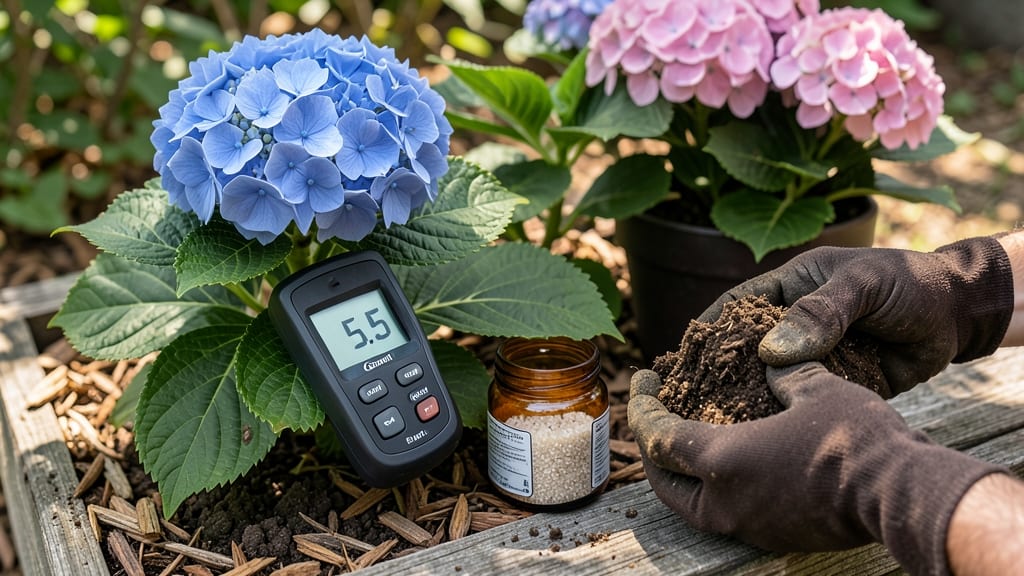
Understanding soil pH in gardening determines which plants will grow best, since most vegetables thrive in slightly acidic to neutral conditions (6.0–7.0), while acid-loving plants like blueberries require pH levels between 4.5–5.5. Testing with a basic DIY kit or simple household ingredients ensures you make smart adjustments before planting.
Soil pH isn't just a number—it directly controls which nutrients your plants can access. 🌱 For example, tomatoes need available phosphorus (best absorbed at pH 6.0–7.0), while azaleas rely on iron that only becomes available in highly acidic soil.
I've found that even a 1-point pH swing can mean the difference between lush growth and stunted plants, especially for picky varieties like rhododendrons.
The good news is that most gardeners can adjust pH naturally using sulfur (to lower pH) or lime (to raise it), though it takes time to see results.
When I first started gardening, I assumed all plants had similar needs—but testing my soil revealed my tomatoes were struggling in slightly alkaline conditions. After adding a bit of peat moss and monitoring the pH over two months, my harvest doubled.
The key is patience and regular testing, especially after heavy rains or if you've recently amended your soil.
💡 In This Article
- How Soil pH Affects Plant Health and Growth
- Best DIY Soil pH Testing Methods for Gardeners
How soil pH affects plant health and growth
Soil pH directly influences nutrient availability because it alters how plants absorb essential minerals. At the microscopic level, pH affects the charge of soil particles and nutrient ions—when soil is too acidic (<5.5), aluminum and manganese become toxic, while alkaline soil (>7.5) locks out phosphorus and iron.
For example, tomatoes need phosphorus at pH <7.0, but if your soil is 7.5, they'll show yellow leaves from deficiency despite plenty of phosphorus in the soil. 🌱 This is why blueberries thrive in acidic conditions—they've evolved to extract iron efficiently when other plants can't.
The root zone is where the action happens: pH extremes damage root membranes, reducing water and nutrient uptake. In alkaline soils, calcium and magnesium become overabundant, crowding out micronutrients like zinc and copper.
I've seen peppers develop brown spots when soil pH crept above 7.2—this happens because manganese toxicity occurs at higher pH levels. The sweet spot for most vegetables is 6.0–7.0, where nutrient balance is optimal and root systems can flourish without stress.
Different plants have adapted to specific pH ranges through evolutionary specialization. Acid-loving plants like hydrangeas and gardenias produce organic acids that lower their immediate soil environment, creating micro-zones where they can access nutrients. Meanwhile, alkaline-tolerant plants like asparagus and lavender have developed root structures that can handle higher pH conditions.
This explains why you can't just plant blueberries anywhere—their roots literally rot in neutral soil because they can't access sufficient iron.
Seasonal changes also affect pH dynamics. Rainwater is naturally acidic (pH 5.6), so heavy downpours can temporarily lower soil pH by 0.5–1.0 points. Organic matter decomposition further acidifies soil over time, which is why composted leaves work well for acid-loving plants.
Conversely, irrigation with hard water (high in calcium carbonate) raises pH gradually. I've noticed my vegetable beds need lime every 2–3 years after years of composting, as the pH naturally trends downward.
Here's what happens when pH gets extreme:
- Below 5.0: Aluminum toxicity causes root tips to die back, stunting growth (common with rhododendrons)
- 5.0–6.0: Optimal for most acid-loving plants; iron and manganese become available
- 6.0–7.0: Ideal for vegetables; phosphorus and calcium are perfectly balanced
- Above 7.5: Phosphorus and iron become locked out, leading to yellowing leaves
The most critical takeaway is that pH affects more than just growth—it determines which nutrients your plants can actually use. A soil test might show plenty of phosphorus, but if your pH is 8.0, your plants will starve for it.
This is why professional gardeners always test before planting season begins. 💫