
Pests
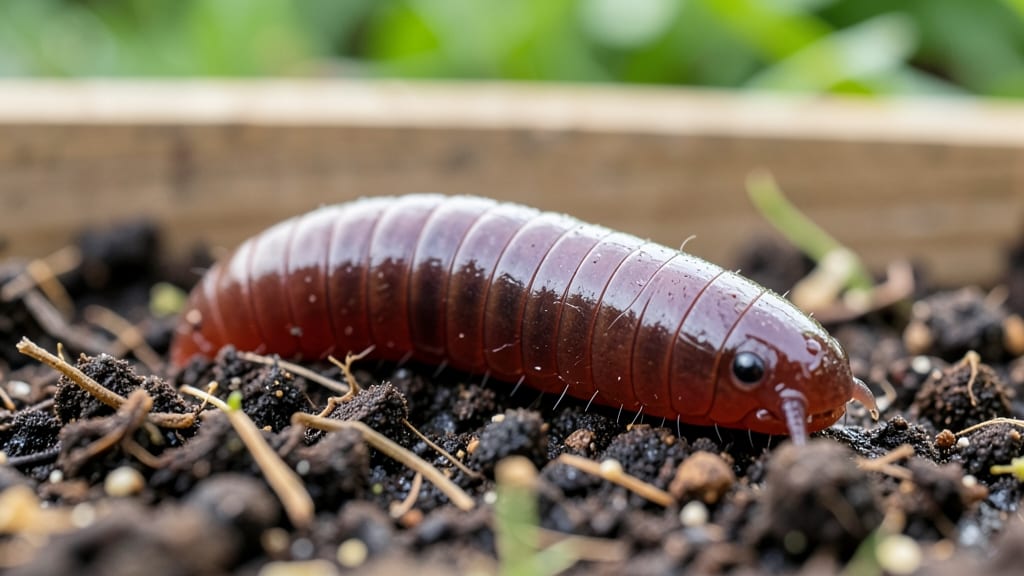
Adding worms to your raised garden bed can significantly boost soil quality by aerating it, decomposing organic material, and producing nutrient-rich castings, but you must carefully select the right species and monitor their population to prevent overcrowding or plant harm.
Worms act as natural soil engineers, turning compost into fertile castings that plants thrive in. 🌱 They also create tunnels that improve water drainage and root growth, making them ideal for raised beds.
However, not all worms are created equal—red wigglers (Eisenia fetida) are the best choice for composting, while nightcrawlers (Lumbricus terrestris) may burrow too deeply.
Before adding worms, ensure your bed has consistent moisture, partial shade, and plenty of organic matter like leaf litter or shredded cardboard to mimic their natural habitat.
One common mistake is introducing too many worms at once, which can lead to overpopulation and competition for food. Start with 1-2 pounds of worms per square yard and gradually increase as your bed's organic material becomes more established.
Monitor their activity by checking for fresh castings and tunnels—if you see fewer worms at the surface during the day, they may be thriving underground.
For best results, maintain a moisture level similar to a wrung-out sponge and avoid chemical fertilizers, which can harm worms. Instead, use compost tea or well-aged manure to feed them naturally.
With proper care, your worm population will become self-sustaining, creating a thriving ecosystem that reduces the need for synthetic amendments. 💫
💡 In This Article
- How Earthworms Benefit Raised Garden Soil
- Step-by-Step Guide to Introducing Worms Safely
How earthworms benefit raised garden soil
Earthworms act like tiny underground plows, constantly tunneling through soil to create channels that improve aeration and water infiltration. Their castings—rich in nitrogen, phosphorus, and potassium—are up to 5 times more nutrient-dense than the surrounding soil.
These castings also contain beneficial microbes that help break down organic matter faster, creating a self-fertilizing system. In a raised bed, this means your plants get a steady supply of nutrients without needing frequent amendments.
Their tunneling activity reduces soil compaction by up to 30%, allowing roots to penetrate deeper and access moisture more efficiently. This is especially valuable in raised beds where soil can become dense from frequent planting.
Worms also help balance pH levels by consuming acidic organic matter and excreting neutralized castings. For example, red wigglers (Eisenia fetida) can process half their body weight in food daily, making them highly effective at breaking down kitchen scraps and yard waste.
However, not all worms are beneficial in raised beds. Nightcrawlers (Lumbricus terrestris), while excellent for open soil, may burrow too deeply and disrupt plant roots in confined spaces. Red wigglers and European nightcrawlers (Dendrobaena veneta) are better suited for composting systems.
Overpopulation can also become an issue—too many worms competing for food can lead to weakened plants as they consume fresh organic matter before it fully decomposes. 🌱
Worms also play a crucial role in pest control by consuming harmful insects and larvae. Their presence can reduce the need for chemical pesticides, creating a more sustainable garden ecosystem.
For instance, a healthy worm population can consume up to 50% of their body weight in pests weekly, including cutworms and grubs. But this benefit only works if the worms have enough food—starving worms may become stressed and less effective at controlling pests.
One often-overlooked benefit is their ability to improve soil structure by binding particles together with mucus and castings. This creates aggregates that hold moisture better during dry spells while preventing waterlogging. In a raised bed, this dual action means your soil stays workable year-round, even in extreme weather.
The key is maintaining a balanced ecosystem—too few worms mean missed benefits, while too many can lead to competition with your plants for nutrients.
To maximize these benefits, aim for a worm population density of 1-2 worms per square foot in your raised bed. This density ensures enough activity to improve soil without overcrowding.
Monitor their health by checking for active tunnels and fresh castings—if you see fewer worms at the surface during the day, they’re likely thriving underground. 💫