
Tools
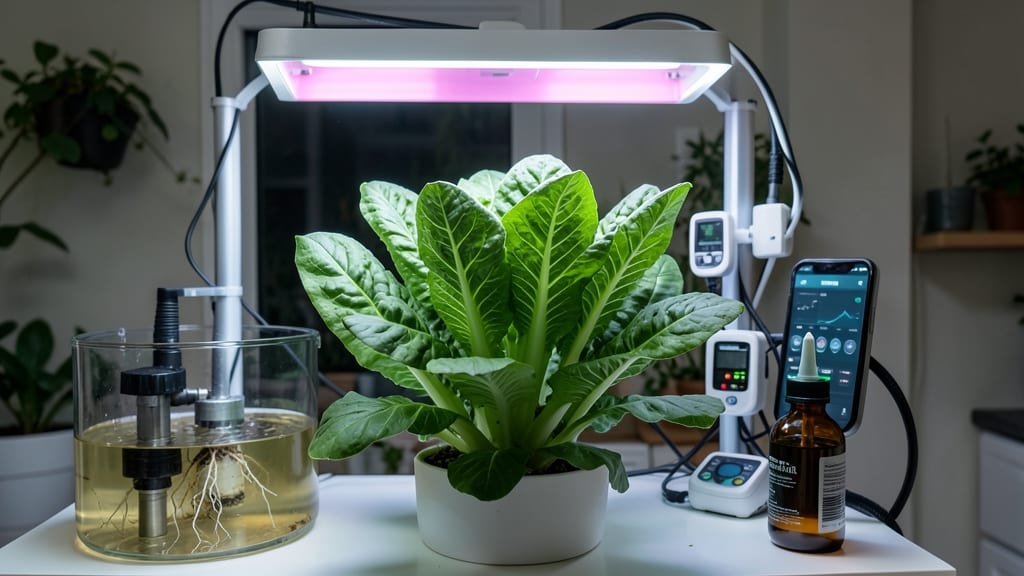
A smart gardening system automates watering, tracks soil health, and enhances plant growth through sensors, timers, and wireless connectivity, helping you save water and reduce hands-on work while boosting your garden's productivity. These systems sync with mobile apps for effortless control and real-time adjustments.
These systems work by combining soil moisture sensors that detect when plants need water, paired with weather-based controllers that adjust schedules based on forecasts. 🌱 The real magic happens with IoT connectivity, which lets you monitor and adjust your garden from anywhere—whether it's fine-tuning water cycles or checking soil pH levels.
For example, some models even alert you when your plants are thirsty or if pests are detected, giving you a proactive edge in garden care.
Beyond convenience, smart gardening systems help conserve water by delivering precise amounts only when needed, cutting waste by up to 50% compared to traditional methods. They're especially useful for busy gardeners or those managing large plots, as they eliminate the guesswork of manual watering.
Plus, many integrate with existing irrigation setups, making the transition seamless.
💡 In This Article
- How Smart Gardening Systems Work: Sensors and Automation Explained
- Choosing the Right Smart Gardening System for Your Garden
How smart gardening systems work: sensors and automation explained
At the heart of every smart gardening system are soil moisture sensors that measure volumetric water content with incredible precision, typically within a range of 0-100% moisture by volume.
These sensors use capacitance technology—where two metal plates detect how much water surrounds them—to provide real-time data every 15-30 minutes.
For example, a sensor buried 2-4 inches deep in your garden bed can tell you exactly when your tomato plants need water, preventing both underwatering (which stresses roots) and overwatering (which wastes 30-50% of water through runoff).
The data from these sensors feeds into a microprocessor-based controller that adjusts water delivery through drip irrigation lines or smart valves.
The system uses algorithms to interpret moisture readings alongside weather forecasts—if the app predicts 0.5 inches of rain in 24 hours, it will automatically pause watering to avoid flooding.
Some advanced systems, like those from Rachio, even factor in evapotranspiration rates (how much water plants lose through evaporation and transpiration), adjusting schedules dynamically. 🌧️
IoT connectivity transforms this data into actionable insights through companion apps. For instance, the Orbit B-Hyve system sends push notifications when soil moisture drops below your set threshold, while Gardena's Smart Water app provides visual graphs showing your garden's water usage patterns over time.
This level of detail helps you spot inefficiencies—like a leaky emitter or an area with poor drainage—before they become major problems. The best systems also sync with voice assistants (Alexa, Google Home), letting you ask, "Hey Google, water my basil," and have the system respond instantly.
What makes these systems truly revolutionary is their ability to personalize care for different plant types. Most smart controllers allow you to create custom zones—one for water-loving herbs like basil, another for drought-tolerant succulents—each with its own moisture and watering schedule.
For example, basil thrives with 1-1.5 inches of water per week, while rosemary needs only 0.5 inches. The system's precision ensures each plant gets exactly what it needs, which can boost yield by 20-30% compared to manual watering.
Beyond watering, some systems integrate with nutrient delivery systems, like hydroponic setups or slow-release fertilizer dispensers. For instance, the AeroGarden Harvest Elite uses LED grow lights paired with automated nutrient dosing to deliver the perfect balance of water and nutrients every 7-14 days.
This closed-loop approach mimics the natural nutrient cycles in soil, ensuring plants get a steady diet without the risk of over- or under-fertilization. 🌱 The result? Healthier plants with fewer pests and diseases, thanks to balanced growth.
For gardeners who love data, many systems offer historical analytics that track growth patterns over seasons. You can compare this year's tomato harvest to last year's, adjusting your approach based on real performance metrics.
This level of detail turns gardening from a guesswork hobby into a science-backed practice—where every drop of water and every gram of fertilizer is optimized for maximum return.