
Pests
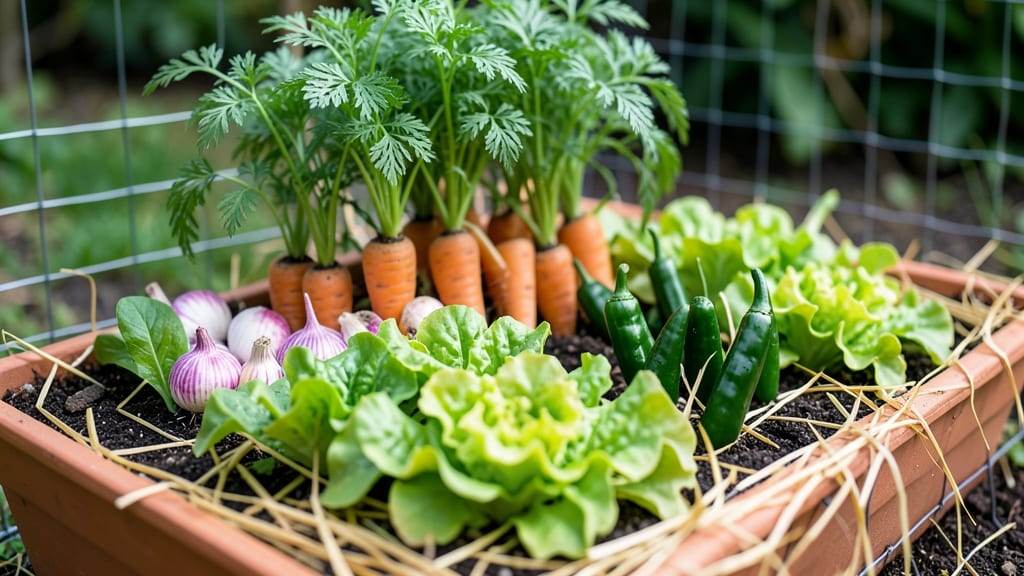
Creating a squirrel-proof garden means using physical barriers like fine mesh fencing (1/4-inch or smaller), hardware cloth wraps, or raised beds with buried edges to stop burrowing. Planting squirrel-resistant flowers like daffodils or alliums adds extra protection, but the best defense is keeping them out completely.
A squirrel-proof garden isn't just about fencing—it's about outsmarting their clever habits.
Squirrels can squeeze through gaps as small as 3/8-inch, so even sturdy fencing fails if not installed properly. 🔥 The key is combining multiple barriers: wrap trellises with hardware cloth, bury edges of raised beds at least 12 inches deep, and add overhangs to prevent climbing.
I've seen squirrels chew through thin plastic netting in days, so always use metal mesh for long-term results.
For smaller gardens, consider wire mesh tunnels over plantings or even chicken wire domes—they're surprisingly effective. The goal is to make your garden feel like a fortress, not a buffet. Even squirrel-resistant plants like marigolds won't save you if there's an easy entry point nearby.
💡 In This Article
- How Squirrels Damage Gardens and Why Barriers Fail
- Top 7 Physical Barriers for Squirrel-Proof Planting
How squirrels damage gardens and why barriers fail
Squirrels attack gardens using three primary methods: digging, chewing, and climbing. Their front paws are built for precision—think of them as nature's tiny excavators.
A single squirrel can dig a 12-inch-deep hole in minutes to access buried bulbs or tubers, while their sharp incisors can chew through thin plastic mulch or even softwood stakes in under an hour. The real challenge? They're not just destructive—they're strategic.
Squirrels will target the most vulnerable plants first, often starting with tender seedlings or newly planted perennials.
Most gardeners assume traditional fencing will work, but squirrels exploit gaps with shocking efficiency. A 1/4-inch mesh might seem secure, but if it's not tightly stretched or has loose corners, they'll wedge their bodies through.
Hardware cloth is better, but if it's only 10 feet high and they can find a nearby tree to leap from, they'll simply jump over. The biggest failure point? Improper installation. I've seen $50 fencing kits fail because the bottom wasn't buried 12 inches deep—squirrels just dug underneath.
Their climbing ability means even vertical barriers need to extend 2 feet beyond the tree canopy to prevent aerial assaults.
The science behind their success lies in their agility and memory. Squirrels can jump 10 feet horizontally and 6 feet vertically in a single leap, making them acrobats in the garden. They also remember successful entry points—if you leave a gap once, they'll exploit it repeatedly.
This is why single barriers rarely work long-term. The most effective systems combine multiple exclusion methods: underground barriers for digging, overhead covers for climbing, and chew-proof materials for structural integrity. 🔥
Plant deterrents like daffodils or alliums help, but they're not foolproof. Squirrels will still dig around them if they're desperate enough. The key insight? Squirrels don't respect pretty gardens—they respect obstacles.
A 1/8-inch hardware cloth wrap around trellises or a 3-foot-tall mesh around raised beds creates a physical barrier their agility can't overcome. The moment you make your garden feel like a maze with no easy exits, you've won the battle.
Consider this: squirrels in urban areas have adapted to human structures by using downspouts, utility lines, and even car antennas as launch points. In your garden, they'll use any advantage—loose mulch piles, unsecured compost bins, or even the drip irrigation lines you thought were hidden.
The solution isn't just better materials—it's eliminating every possible access point. Think like a squirrel: where would you hide to raid this garden? Then block that route completely.
Here's what most people overlook: squirrels work in teams. A dominant squirrel will scout for weaknesses while others create diversions. This is why single-point solutions fail. The most squirrel-proof gardens I've seen combine three layers of defense: exclusion (fencing), confusion (strategic planting), and elimination (removing food sources).
Without all three, you're just playing whack-a-mole with a determined opponent. 💫