
Vegetables
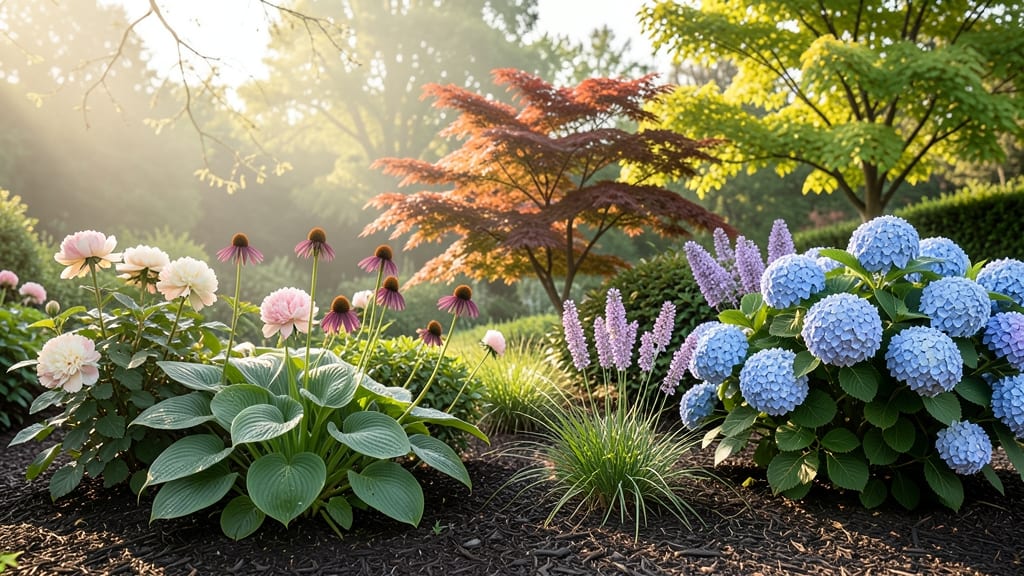
Exploring Toronto Botanical Garden reveals stunning themed gardens, vibrant seasonal displays, and educational horticultural exhibits—maximize your visit by reviewing seasonal hours, prioritizing signature areas like the Japanese Garden, and bringing essentials for outdoor comfort.
This 22-acre urban oasis blends nature and education, featuring over 11,000 plant species across themed gardens that change dramatically with each season. 🌸 The spring tulip festival draws crowds with millions of blooms, while summer brings pollinator gardens teeming with bees and butterflies.
Even winter offers holiday displays that transform the grounds into a winter wonderland. What makes this garden special is how it combines beauty with learning—each exhibit includes informative signage about plant care and conservation efforts.
The Japanese Garden stands as the centerpiece, offering serene meditation spaces with koi ponds and traditional bridges. For families, the Children's Garden provides interactive play areas where kids can learn about native plants through hands-on activities.
The Rock Garden showcases alpine plants from around the world, creating a miniature mountainous landscape. Pro tip: Weekday mornings offer the quietest experience, while weekend afternoons often feature guided tours that reveal hidden details about the garden's history and design.
💡 In This Article
- Seasonal Highlights at Toronto Botanical Garden
- Practical Visitor Guide: Hours, Fees, and Must-See Gardens
Seasonal highlights at Toronto botanical garden
The garden's seasonal transformations create a dynamic experience that changes with each visit.
In spring, the Tulip Festival transforms the grounds into a sea of color, featuring over 500,000 blooms across 150 varieties—the peak viewing period runs from late April to early May when temperatures consistently reach 12-18°C (54-64°F).
This timing coincides with optimal pollination conditions, creating an intoxicating aroma that fills the air. 🌸 The garden's horticulturists carefully select tulip varieties that thrive in Toronto's climate, including early bloomers like 'Early Harmony' and late-season varieties like 'Black Parrot' that extend the display.
Summer brings the Pollinator Garden to life, where over 300 species of native plants attract thousands of bees, butterflies, and hummingbirds.
The garden's design incorporates three distinct zones: a meadow area with tall grasses, a shrub border with nectar-rich flowers, and a water feature that provides hydration for visiting pollinators. Visitors often report seeing Monarch butterflies during their migration in late summer, creating a magical experience.
The garden's educational signage explains how each plant supports specific pollinators, making it both beautiful and informative.
Autumn transforms the garden into a fiery display as maple trees and ornamental grasses change color, with peak foliage typically occurring in mid-October when daytime temperatures average 15°C (59°F). The Japanese Garden becomes particularly stunning during this season, with its red maples creating vibrant reflections in the koi ponds.
This is also when the garden's harvest festival takes place, featuring local vendors selling seasonal produce and handmade crafts. The cooler temperatures make it ideal for leisurely exploration without the summer heat.
Winter brings a completely different experience with holiday displays that transform the garden into a winter wonderland. The Christmas at the Garden event features over 100,000 lights, ice sculptures, and festive markets that run from late November through December.
The garden's conservatory becomes a tropical escape with its 30°C (86°F) indoor environment, showcasing exotic plants that thrive in warm climates. This seasonal contrast demonstrates how the garden adapts to Toronto's four distinct seasons, offering year-round beauty and educational opportunities.
What many visitors don't realize is how the garden's seasonal programming aligns with ecological cycles. The spring planting schedule begins in early March when horticulturists prepare the soil for tulip bulbs, while summer maintenance focuses on pruning and mulching to support pollinator plants.
Fall involves leaf collection and composting, and winter preparations include protecting sensitive plants from freezing temperatures. This careful planning ensures each season delivers its own unique experience while maintaining the garden's ecological health. 🌿
The garden's seasonal events also reflect Toronto's cultural diversity. For example, the Lunar New Year celebrations in February feature traditional decorations and plant displays that represent good fortune in Chinese culture.
Similarly, the Diwali Festival of Lights in October transforms the garden with colorful lanterns and displays of marigolds and lotus flowers that hold special significance in Hindu traditions. These cultural events demonstrate how the garden serves as both a natural space and a community gathering place throughout the year.