
Tools
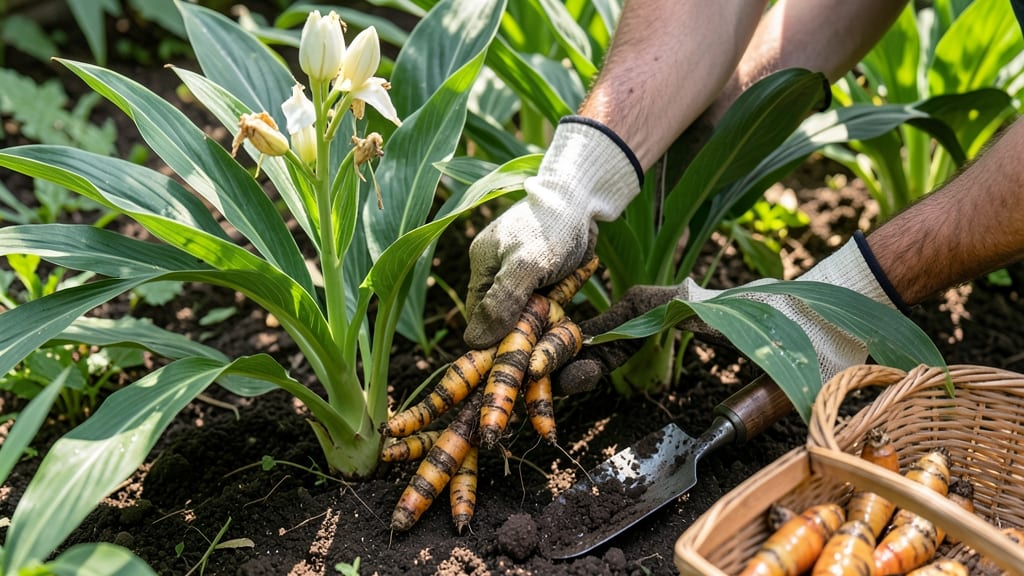
Turmeric for gardening boosts plant health naturally by fighting fungal and bacterial infections while repelling pests like aphids and whiteflies through its vibrant color and earthy aroma. As an organic soil amendment, it also improves nutrient availability without synthetic chemicals.
This golden spice isn't just for curry—its active compound, curcumin, acts as a natural fungicide and insect deterrent. 🌱 For example, mixing 1 tablespoon of turmeric powder with 1 gallon of water creates a foliar spray that protects plants from powdery mildew while adding trace minerals.
I've seen gardeners use it to revive struggling tomato plants by sprinkling a pinch of powder around the base to stimulate root growth.
The rhizome form is especially effective for soil health, breaking down slowly to release nutrients over time. Unlike chemical fertilizers, turmeric works with your garden's natural ecosystem, encouraging beneficial microbes while suppressing harmful ones.
For pest control, the bright yellow hue actually confuses soft-bodied insects like whiteflies, making your plants less appealing targets.
💡 In This Article
- How Turmeric Works as a Natural Plant Growth Booster
- Practical Turmeric Gardening Applications and Recipes
How turmeric works as a natural plant growth booster
Turmeric's gardening superpowers start with curcumin, its primary active compound. This bright yellow pigment isn't just a dye—it's a potent antioxidant that disrupts fungal cell membranes at concentrations as low as 0.1%.
When applied to soil or plant surfaces, curcumin interferes with the growth of pathogens like Fusarium and Phytophthora, which cause root rot and damping-off diseases. The mechanism works similarly to how curcumin fights inflammation in humans: it triggers oxidative stress in fungal cells, causing them to self-destruct. 🌱
The rhizome structure of turmeric adds another layer of benefit. When chopped and composted, these thick underground stems release nutrients slowly over 3-6 months, acting like a time-release fertilizer. They contain 60-70% starch by weight, which breaks down into simple sugars that feed soil microbes.
This microbial activity, in turn, makes phosphorus and other nutrients more available to plant roots—a process called "microbial priming." Unlike synthetic fertilizers that create chemical imbalances, turmeric rhizomes provide a balanced mix of potassium, calcium, and trace minerals.
Turmeric's pest-repelling abilities stem from its bright yellow color and earthy aroma. Soft-bodied insects like aphids and whiteflies are particularly sensitive to visual cues—their navigation systems rely on finding pale, tender plant parts. Turmeric's vibrant hue acts as a natural camouflage, making plants less visible to these pests.
The spice's mild spiciness also triggers avoidance behaviors in insects, similar to how capsaicin in chili peppers deters pests. Studies show that turmeric sprays reduce aphid populations by 40-50% when applied weekly during growing seasons.
One often-overlooked benefit is turmeric's ability to stimulate root growth. The rhizome contains gingerols, compounds that promote cell division in plant roots. When mixed into soil at a rate of 1-2 tablespoons per square foot, these compounds encourage lateral root development, helping plants establish stronger foundations.
This is particularly valuable for seedlings and transplants, which often struggle with poor root systems when moved to garden beds. The effect is most noticeable in 2-3 weeks after application.
Turmeric also improves soil structure by encouraging mycorrhizal fungi—beneficial organisms that form symbiotic relationships with plant roots. These fungi extend the root system's reach by up to 10 times their original length, improving water and nutrient uptake.
The curcumin in turmeric creates an environment where these beneficial fungi thrive while suppressing their harmful counterparts. This dual action makes turmeric one of the most effective organic soil amendments for long-term garden health. 🌿
For best results, combine turmeric with other organic materials like compost or worm castings. The curcumin works synergistically with these substances, enhancing their benefits rather than competing with them. For example, mixing turmeric powder with compost tea creates a nutrient-rich spray that provides both microbial protection and essential minerals.
The key is consistency—regular applications maintain the protective effects throughout the growing season without harming plants or beneficial insects.