
Tools
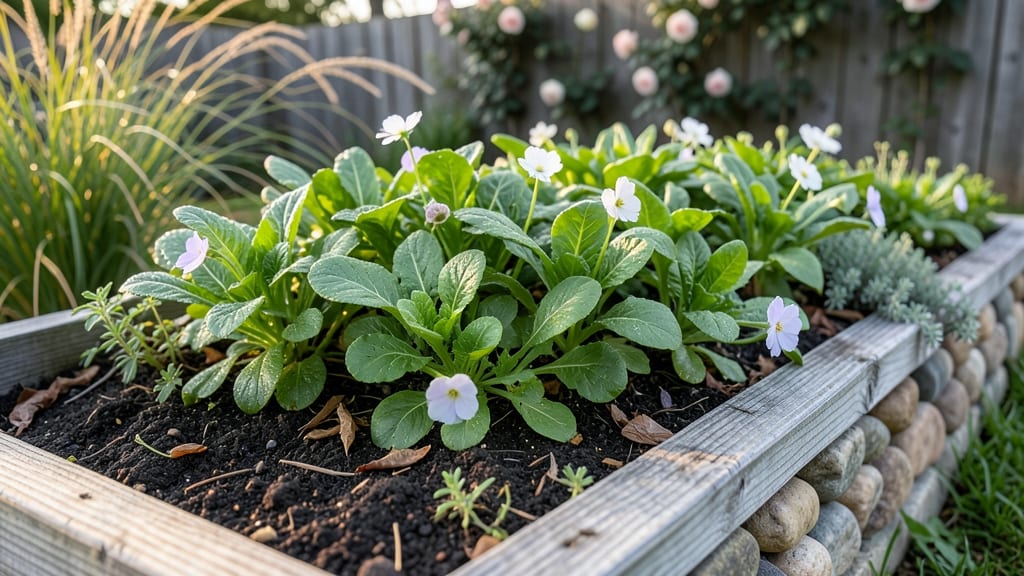
The typical raised garden bed size is between 4 feet wide by 8 feet long and 10 to 12 inches deep, designed to balance accessibility, root space, and soil health for most vegetables and herbs.
Standard dimensions like these exist for good reason—4 feet wide lets you reach the center without stepping inside, while 8 feet long maximizes growing space without overwhelming smaller yards.
The 10-12 inch depth accommodates most root systems (except deep taproots like carrots) while preventing soil compaction. 🌱 I’ve found that these proportions also make beds easier to fill with quality soil and maintain over seasons, whether you’re growing leafy greens or compact herbs.
What’s often overlooked is how these dimensions adapt to different growing needs. For example, deep-rooted plants like potatoes or tomatoes might need 12-18 inches of depth, while shallow-rooted herbs thrive in 6-8 inches.
Urban gardeners might opt for 3-foot-wide beds to fit between sidewalks, while rural plots can stretch to 12 feet long if space allows.
💡 In This Article
- Why Standard Raised Bed Dimensions Matter for Plant Growth
- Customizing Raised Bed Sizes for Different Crops and Spaces
Why standard raised bed dimensions matter for plant growth
The 4-foot width is the golden standard for a reason—it creates the perfect balance between reachability and growing space. When you stand at the center of a 4-foot bed, your arms can comfortably stretch to the edges without stepping inside, reducing soil compaction from foot traffic.
Studies show that gardeners can tend to plants more efficiently in beds this size, as it eliminates the need to walk through the growing area, which can disturb roots and soil structure.
This dimension also aligns with the average adult's arm span, making it ideal for people of all ages and mobility levels.
Depth plays a critical role in root development. The 10-12 inch depth provides ample room for most vegetables and herbs to establish strong root systems while preventing soil from becoming waterlogged or compacted.
For example, leafy greens like lettuce and spinach thrive in just 6-8 inches of soil, while compact herbs such as thyme or parsley only need 4-6 inches. However, root vegetables like radishes or beets require the full 10-12 inches to develop properly.
The extra depth also improves drainage, which is especially important in clay-heavy soils where water can pool and suffocate roots.
Length is often overlooked, but an 8-foot bed offers the best compromise between space efficiency and manageability. This size allows you to grow a variety of crops in a single bed while keeping the overall footprint manageable for smaller yards.
Longer beds (up to 12 feet) are practical for rural settings, but they can become cumbersome to maintain, especially if you're working alone. The 8-foot length also aligns well with standard lumber lengths, making it easier to construct without excessive seams or joints that could leak soil or water.
Soil quality is another key factor influenced by these dimensions. Raised beds warm up faster in spring because they're exposed to sunlight on all sides, giving plants a head start.
The 10-12 inch depth allows you to fill the bed with a mix of topsoil, compost, and organic matter, creating a nutrient-rich environment that retains moisture better than ground soil.
This is particularly beneficial in drought-prone areas, where raised beds can reduce water usage by up to 30% compared to in-ground planting.
Accessibility is the final piece of the puzzle. Standard dimensions make gardening more inclusive, whether you're kneeling, standing, or using a wheelchair. The 4-foot width ensures you can easily reach the center without straining, while the 8-foot length keeps the bed within arm's reach from a standing position.
This ergonomic design reduces the risk of back pain or fatigue, making gardening a sustainable long-term hobby. 🌿
What most people don't realize is how these dimensions interact with plant spacing. For instance, a 4x8 foot bed can accommodate roughly 16-20 plants of medium-sized vegetables (like tomatoes or peppers) when planted in a square-foot gardening layout.
This efficient use of space maximizes yield while minimizing waste, proving that standard dimensions aren't arbitrary—they're carefully calculated for productivity and ease of use.