
Tools
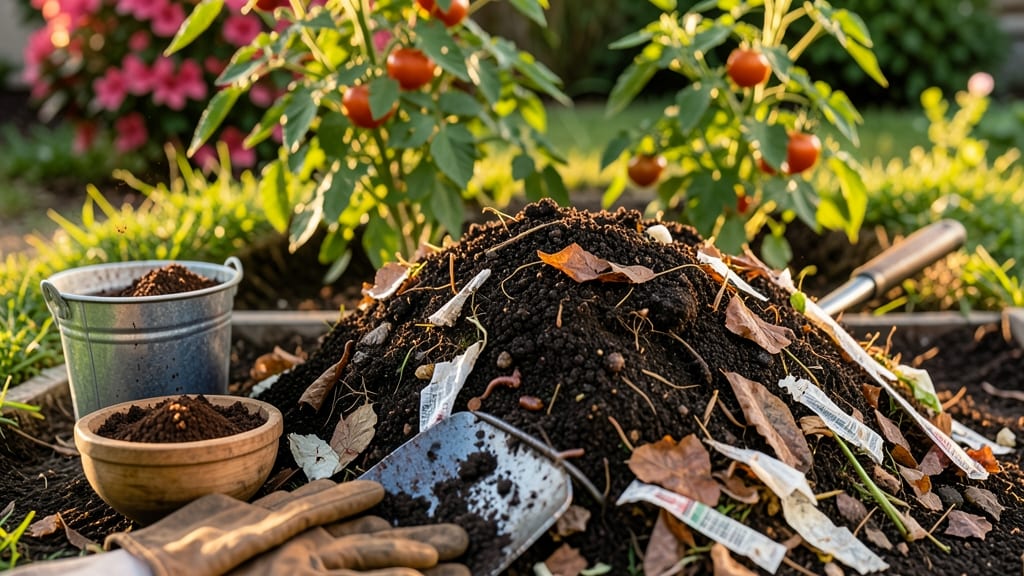
Using used coffee grounds for the garden boosts soil fertility with natural nitrogen, deters pests like slugs and ants, and supports acid-loving plants while requiring careful application to prevent over-acidification.
Coffee grounds work as a garden powerhouse because they're rich in nitrogen—a key nutrient plants crave for leafy growth. 🌱 When mixed into compost or soil, they also stimulate beneficial microbes that break down organic matter faster.
The slightly acidic nature makes them perfect for blueberries or hydrangeas, but too much can harm neutral-soil veggies like tomatoes. I've seen gardeners create "coffee beds" by mixing grounds into mulch, which slowly releases nutrients while suppressing weeds.
Beyond soil health, the grounds act as a natural pest repellent. Sprinkle them around plant bases to create a barrier that deters ants and slugs—the caffeine content confuses their scent trails.
For an extra boost, brew a fertilizer tea by steeping used grounds in water for 24 hours, then dilute before applying to soil. Just remember: always spread grounds thinly (about ½ inch) to prevent compaction and uneven moisture distribution.
💡 In This Article
- How Coffee Grounds Enhance Soil Health and Plant Growth
- Practical Applications: 10 Ways to Use Coffee Grounds in Gardening
How coffee grounds enhance soil health and plant growth
Coffee grounds act as a natural nitrogen booster because they contain approximately 2% nitrogen by weight—about 50% more than typical compost. When mixed into soil, the grounds decompose slowly, releasing this nitrogen over 3-6 months as microbes break down the organic matter.
This process creates a slow-release fertilizer effect, similar to how compost works but more concentrated. The nitrogen promotes lush, green foliage, especially in nitrogen-hungry plants like leafy greens, corn, or grasses.
The magic happens at the microbial level. Coffee grounds provide both nitrogen and carbon, creating an ideal 1:20 carbon-to-nitrogen ratio that stimulates beneficial soil bacteria and fungi. These microbes accelerate decomposition of other organic matter in your soil, improving overall fertility.
For example, adding 1 cup of used grounds per square yard to garden beds can increase microbial activity by 30-40% within weeks. The grounds also introduce trace minerals like potassium and phosphorus, though in smaller amounts.
For acid-loving plants like azaleas, blueberries, or rhododendrons, coffee grounds are a game-changer. Fresh grounds have a pH of around 6.2-6.8, but as they decompose, they can lower soil pH to 5.0-6.0—perfect for these plants. However, the effect is gradual and localized.
If you're growing neutral-soil crops like tomatoes or peppers, use grounds sparingly (¼ inch layer) and mix them into compost rather than applying directly to avoid over-acidifying the soil.
One common misconception is that coffee grounds will make all soils acidic. In reality, their impact depends on your existing soil pH. Sandy soils (common in coastal areas) respond more dramatically to acidifying amendments, while clay soils buffer changes better.
To test your soil's reaction, start with small amounts (½ cup per plant) and monitor leaf color—yellowing leaves may indicate over-acidification. 🌿
The texture of coffee grounds also matters. Coarse grounds decompose slower than fine ones, releasing nutrients over a longer period. For immediate benefits, blend them into compost or till them into garden beds.
For long-term fertility, use them as a mulch layer (½ inch thick) around acid-loving plants. The grounds will slowly break down while suppressing weeds and retaining moisture.
What most gardeners don't realize is that coffee grounds can actually improve soil structure by enhancing water retention. The organic matter binds to soil particles, creating tiny air pockets that improve drainage while holding moisture.
This is why coffee-ground-amended soil stays looser and works better for root growth. For container gardens, mix 10-20% coffee grounds into potting soil to boost fertility without risking over-acidification.