
Container Gardens
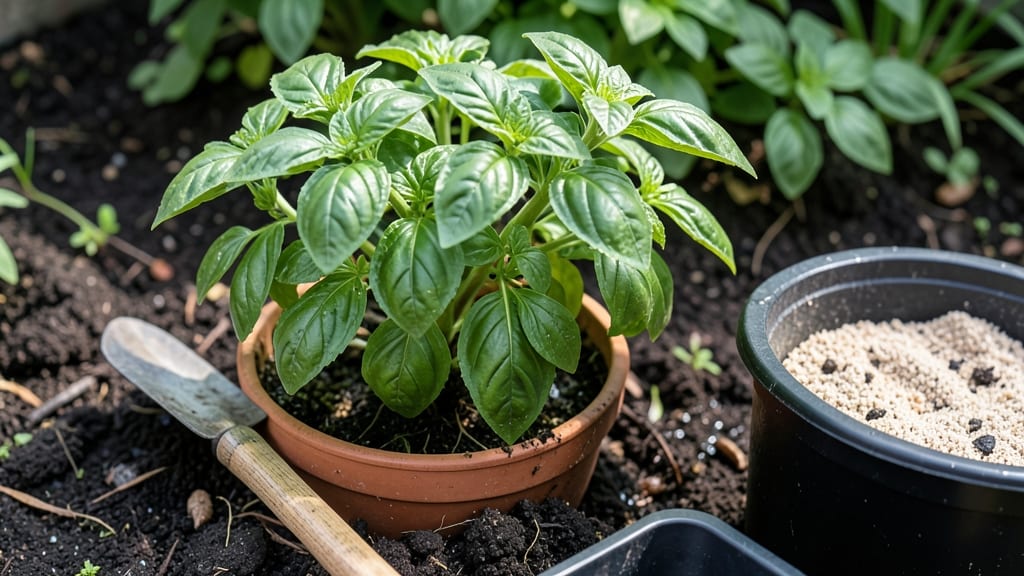
When using garden soil in pots, you must sterilize it first to eliminate pests, then blend it with perlite or coarse sand for proper drainage. Heavy clay-based garden soil can suffocate roots by preventing airflow and retaining too much moisture.
Garden soil isn't designed for containers—it compacts easily, blocking water and oxygen flow to roots. 🌱 Without amendments, potted plants often develop root rot or nutrient deficiencies. I've found that even "good" garden soil from your yard can introduce weeds or fungal spores that thrive in confined spaces.
The key is transforming it into a lightweight mix that mimics commercial potting soil's structure.
For best results, combine sterilized garden soil with 30% perlite or coarse sand to create air pockets, then add 10-20% compost for nutrients. This blend prevents compaction while supporting healthy root growth. Just remember: never use garden soil straight from the ground—it's a recipe for plant stress.
💡 In This Article
- Why Garden Soil Fails in Container Gardening
- How to Modify Garden Soil for Pots
Why garden soil fails in container gardening
Garden soil is engineered for in-ground planting, where roots can spread freely and water drains naturally into deeper layers.
In pots, however, the confined space creates a completely different environment. 🌱 The primary issue is compaction—when you water potted plants, the soil particles compress tightly, squeezing out air pockets that roots need to breathe. This creates anaerobic conditions where beneficial microbes suffocate and harmful pathogens thrive.
Most garden soils contain 20-30% clay particles, which absorb water like a sponge but then hold it so tightly that roots drown. Compare this to commercial potting mixes, which typically contain only 10-15% clay combined with organic matter and perlite to create a loose, crumbly structure.
The difference is like comparing a waterlogged swamp to a well-drained forest floor—one suffocates roots while the other supports vigorous growth.
Another critical factor is nutrient imbalance. Garden soil provides a steady supply of nutrients over time through decomposition, but in pots, these nutrients get leached out quickly with frequent watering. Without regular replenishment, plants show signs of deficiency like yellowing leaves or stunted growth.
The confined space also creates a perfect breeding ground for weeds and fungal spores that would normally be outcompeted in open garden beds.
Let's talk about moisture dynamics. In-ground plants benefit from capillary action drawing water upward from deeper soil layers, but potted plants rely entirely on what you provide.
Heavy garden soil retains water so aggressively that it can keep roots saturated for days, leading to root rot within 3-5 days of overwatering. This is why even drought-tolerant plants like succulents struggle when planted directly in garden soil without amendments.
Consider the texture difference: garden soil feels dense and heavy when moist, while ideal potting mix should have a light, almost fluffy consistency that crumbles easily between your fingers. This texture difference isn't just about feel—it directly impacts how quickly water drains and how well air circulates to the roots.
The porosity of potting mix allows for 20-30% air space compared to garden soil's 5-10%, making all the difference for container-grown plants.
One final scientific factor is the soil's cation exchange capacity (CEC), which measures how well it can hold and release nutrients. Garden soil typically has a higher CEC, but in pots, this becomes a liability because the nutrients get locked up where roots can't access them efficiently.
Potting mixes use lighter organic materials like peat moss or coconut coir that provide just enough nutrient-holding capacity without the compaction problems.