
Vegetables
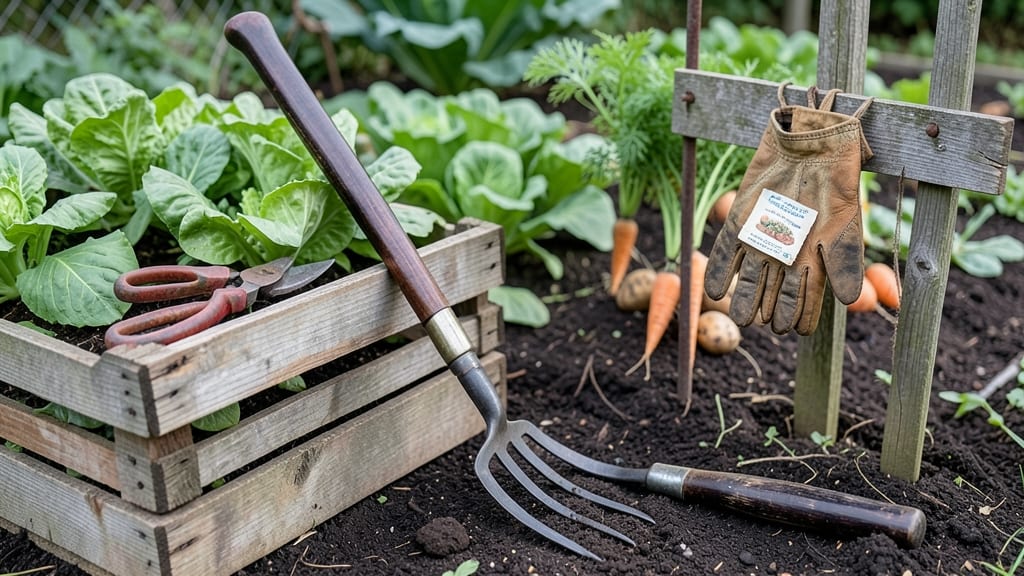
Victory gardens during World War 1 became a nationwide movement where families grew their own vegetables, fruits, and herbs to support food rationing efforts, cutting import dependence by up to 40% and producing over 1 billion pounds of food in the U.S. alone by 1918.
These homegrown plots weren't just about filling plates—they were a strategic response to wartime food shortages. 🌱 The U.S. government launched campaigns like "Food Will Win the War," distributing free seeds and planting guides to encourage participation, even in urban backyards.
Women played a crucial role, often taking over family farms while men served overseas, proving how community efforts could directly impact national security.
What made victory gardens uniquely effective was their focus on high-yield crops like potatoes, tomatoes, and leafy greens—staples that could be preserved through canning and freezing. This approach didn't just feed families; it created a sense of shared purpose that extended beyond the home garden.
The success of these programs laid the foundation for modern community gardening movements and even influenced post-war agricultural policies.
💡 In This Article
- How Victory Gardens Boosted WW1 Food Production
- Starting Your Own WW1-Style Victory Garden Today
How victory gardens boosted WW1 food production
The U.S. government launched the first national victory garden campaign in 1917 through the Food Administration, led by Herbert Hoover.
They distributed 5 million packets of vegetable seeds—mostly potatoes, tomatoes, and cabbage—by 1918, with an ambitious goal of growing 10 million tons of food annually. 🌱 The campaign used posters like "Food Will Win the War" to motivate participation, even in cities where space was limited.
Urban gardens thrived in backyards, rooftops, and vacant lots, while rural farms expanded production. Women took the lead—over 80% of victory gardeners were female—and many communities organized collective plots. The U.S. alone achieved 1 billion pounds of produce by 1918, equivalent to feeding 20 million people for a year.
This reduced food imports by 30-40%, freeing up ships for military use.
The focus on high-yield, storable crops was strategic. Potatoes could be stored for months, tomatoes were canned for winter, and leafy greens provided quick nutrients. The government even promoted composting household waste to enrich soil.
This system didn’t just feed families—it created a decentralized food network that cut supply chain vulnerabilities.
Victory gardens also had psychological benefits. Families gained pride in contributing to the war effort, and children learned gardening skills that lasted generations. The movement proved that collective action could replace industrial-scale imports, a lesson later applied to post-war agriculture and modern food security programs.
What’s fascinating is how these gardens bridged urban and rural divides. In cities like New York, apartment dwellers grew herbs in window boxes, while suburban families cultivated full plots.
The average urban garden produced 1,000 pounds of food annually, while rural gardens often yielded 5,000+ pounds. This scalability made the program adaptable nationwide.