
Tools
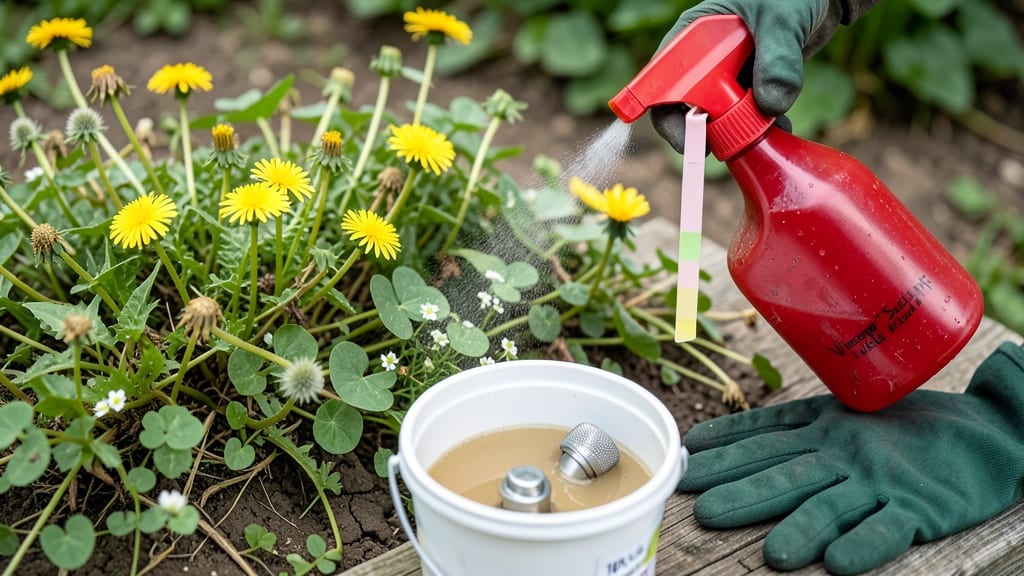
Using vinegar in the garden is a powerful way to eliminate weeds, repel pests, and adjust soil acidity naturally. Apply diluted vinegar for broadleaf weeds or full-strength for tough growth, but use sparingly to protect beneficial soil organisms and plants.
Vinegar’s acetic acid acts as a natural herbicide by breaking down plant cell walls, making it ideal for killing unwanted weeds without harsh chemicals. 🌱 For best results, mix equal parts white vinegar and water for delicate plants or use straight vinegar on stubborn weeds—just avoid spraying on desirable foliage.
Beyond weeds, vinegar can deter pests like aphids and even help balance soil pH, though it should never replace proper soil testing or organic amendments for long-term health.
When using vinegar in the garden, timing matters: apply it on dry, sunny days to maximize effectiveness, and always spot-test on a small area first. While vinegar is eco-friendly, overuse can disrupt soil microbes, so reserve it for targeted treatments rather than routine maintenance.
💡 In This Article
- How Vinegar Works as a Natural Weed Killer
- Safe Vinegar Applications for Pests and Soil Health
How vinegar works as a natural weed killer
Vinegar’s weed-killing power comes from its acetic acid content—typically 4-8% in household white vinegar—which acts as a rapid herbicide. When sprayed on foliage, the acid penetrates plant cell membranes, disrupting their structure and causing immediate dehydration.
This process breaks down chlorophyll, turning leaves yellow and brown within hours. The effect is irreversible for most plants, as the acid prevents photosynthesis entirely. 🔥
Effectiveness varies by vinegar strength: 5% acetic acid kills most broadleaf weeds when applied undiluted, while 10% (concentrated vinegar) tackles tougher growth like dandelions. However, grass and deep-rooted weeds often survive because their thick cell walls resist acid penetration.
Vinegar’s low pH (2.0-3.0) also alters soil chemistry temporarily, which can suppress weed seeds but may harm beneficial microbes if overused.
For best results, apply vinegar on a dry, sunny day when weeds are actively growing. The heat enhances acid absorption, while sunlight prevents moisture from diluting the spray. A 1:1 vinegar-to-water mix works for delicate areas, but undiluted vinegar is more effective for stubborn weeds.
Always avoid spraying near desired plants, as the acid can damage them too.
One common misconception is that vinegar kills weeds "permanently." While it eliminates above-ground growth, deep-rooted weeds may regrow from the base. For complete eradication, repeat treatments or combine vinegar with salt or dish soap (1 tbsp per gallon) to improve adhesion.
The soap breaks surface tension, helping the vinegar cling better to leaves.
Vinegar’s selectivity is its greatest advantage—it targets only the sprayed foliage without leaving harmful residues. Unlike synthetic herbicides, it degrades quickly in the environment, making it ideal for organic gardens. However, its short-term effectiveness means it’s best used as a spot treatment rather than a preventative measure.
For comparison, commercial vinegar-based herbicides often include additives like citric acid or clove oil to enhance performance, but homemade solutions work just as well for most gardeners. The key is consistency: weeds exposed to vinegar will die within 24-48 hours, but regrowth may occur if roots persist.