
Tools
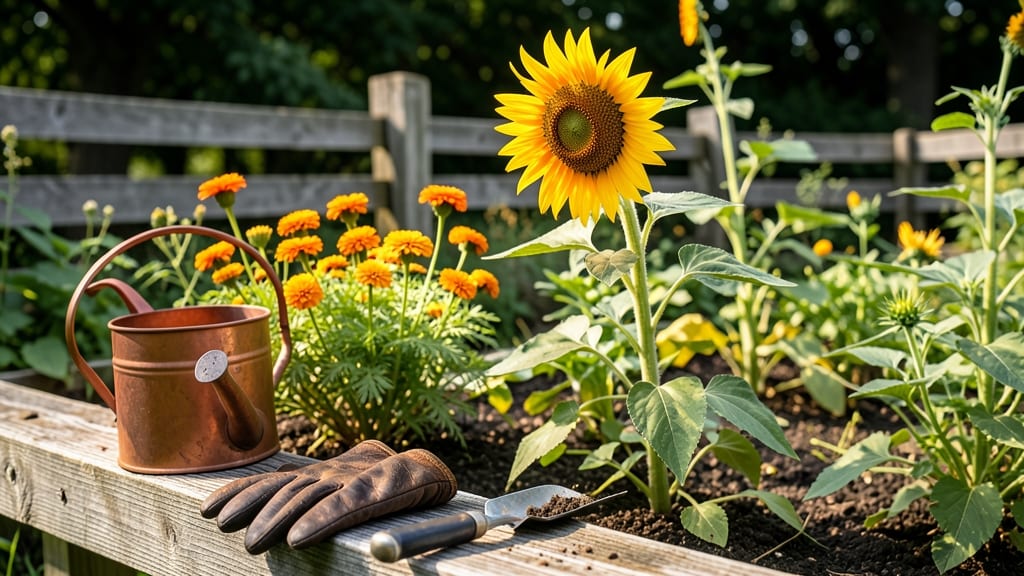
Gardening means cultivating plants—whether vegetables, flowers, or herbs—in soil or controlled environments to grow food, beautify spaces, or study nature’s growth cycles. It blends art, science, and sustainability into a hands-on practice for nourishment and enjoyment.
At its core, gardening is about nurturing life through deliberate plant care—whether you're growing tomatoes for your kitchen or arranging petunias for your patio. 🌱 The process involves understanding how plants thrive: sunlight needs, water balance, and soil composition all play critical roles.
What makes it rewarding is seeing your efforts transform into fresh produce, vibrant blooms, or even a peaceful outdoor retreat. Many gardeners also appreciate how it connects them to nature's rhythms, from seasonal planting cycles to the simple joy of watching seeds sprout.
Beyond the practical, gardening serves as a creative outlet. You might design a pollinator-friendly garden, experiment with heirloom varieties, or simply enjoy the tactile experience of working with soil.
The beauty lies in its flexibility—whether you're a city dweller with a windowsill herb garden or a rural homesteader with acres of crops, the principles remain the same: patience, observation, and a willingness to learn from both successes and failures.
💡 In This Article
- The Science and Art Behind Plant Cultivation
- Types of Gardening and Their Unique Goals
The science and art behind plant cultivation
Gardening operates on the fundamental science of photosynthesis—the process where plants convert sunlight, carbon dioxide, and water into glucose and oxygen using chlorophyll. This biological mechanism is what transforms sunlight into energy, allowing plants to grow.
For example, a tomato plant exposed to 6-8 hours of direct sunlight daily will produce significantly more fruit than one with only 4 hours, thanks to this chemical reaction.
The artistry comes in when gardeners manipulate variables like soil pH (ideal range: 6.0-7.0 for most vegetables) or companion planting (marigolds repelling pests near tomatoes) to optimize these natural processes.
The soil itself is a living ecosystem where microorganisms break down organic matter into nutrients plants can absorb. A healthy garden soil contains 5-10% organic material, providing essential nitrogen, phosphorus, and potassium. This microbial activity also improves soil structure, allowing better water retention and root penetration.
The sensory experience—smelling freshly turned earth or feeling the crumbly texture of well-amended soil—is part of what makes gardening so rewarding. 🌱 What most people don't realize is how closely soil health mirrors human health: just as we need probiotics, plants thrive with beneficial microbes.
Pollination adds another layer of scientific wonder to gardening. Bees and other pollinators transfer pollen between flowers, enabling fruit and seed production. A single apple tree requires 2,000-3,000 bee visits per season for adequate pollination.
This ecological relationship explains why gardeners often plant native flowers alongside vegetables to support local pollinator populations. The creative aspect emerges when designing pollinator gardens with layered plantings that bloom sequentially from spring to fall, ensuring continuous food sources for these vital insects.
Seasonal planning bridges the scientific and artistic sides of gardening. Successful gardeners time their planting based on frost dates and last spring frosts, using a 12-week rule for cool-season crops like lettuce.
The artistry appears in how gardeners arrange plants for visual appeal—using height variation with tall sunflowers (6-12 feet) behind medium basil (1-2 feet) and low thyme (6-12 inches)—while also considering companion planting benefits.
This dual focus on both aesthetics and function creates gardens that are both beautiful and productive.
Water management represents another scientific-artistic balance. Drip irrigation systems deliver water precisely to plant roots, reducing waste while maintaining consistent moisture levels. The art comes in designing irrigation paths that follow garden contours without disrupting plant arrangements.
For instance, a 1/4-inch emitter delivers about 0.6 gallons per hour, perfect for most vegetables when spaced 12-18 inches apart. This technical precision prevents both underwatering (which causes wilting) and overwatering (which leads to root rot).
What truly defines gardening is this intersection of measurable science and personal expression. Whether you're calculating the exact N-P-K ratio (nitrogen-phosphorus-potassium) for your compost or arranging flowers for a specific color palette, each decision reflects both biological understanding and creative vision.
This duality is why gardening appeals to scientists, artists, and everyone in between—it's a discipline that satisfies both the logical mind and the creative spirit. ✨