
Companion Plants
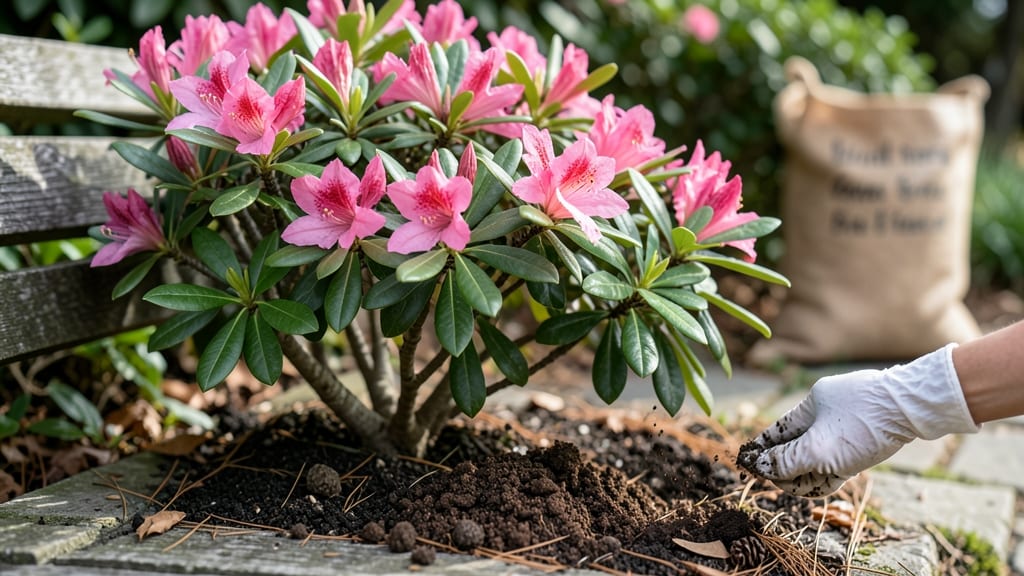
Garden plants that benefit from coffee grounds include acid-loving varieties like azaleas, blueberries, and rhododendrons, as well as soil-enhancing crops such as tomatoes and peppers, thanks to their nitrogen and organic matter content.
Coffee grounds are a gardener's secret weapon for plants that thrive in slightly acidic conditions.
The caffeine and tannins in spent grounds act as natural fertilizers, while their low pH helps maintain soil acidity levels that acid-loving plants crave. 🌱 I've seen azaleas and blueberries grow particularly lush after adding used grounds to their soil—just be sure to compost them first to avoid over-acidifying your beds.
The nitrogen boost also benefits heavy feeders like tomatoes and peppers, though these plants prefer neutral soil.
What makes this even better is how versatile coffee grounds are. You can sprinkle them directly into garden beds, mix them into compost piles, or even use them as mulch.
Just remember to use them in moderation—about 1/4 cup per plant every few weeks—and avoid using them on plants sensitive to acidic soil, like lettuce or spinach. The key is balance, and your plants will thank you for the nutrient-rich treat!
💡 In This Article
- How Coffee Grounds Improve Soil for Acid-Loving Plants
- Best Practices for Using Coffee Grounds in Your Garden
How coffee grounds improve soil for acid-loving plants
Coffee grounds work wonders for acid-loving plants because of their unique chemical makeup. Freshly brewed coffee has a pH of around 4.85-5.10, which is naturally acidic—similar to the ideal soil pH range of 4.5-6.0 for plants like azaleas, blueberries, and hydrangeas.
When grounds decompose, they release organic acids that gradually lower soil pH, creating the perfect environment for these varieties to thrive. The caffeine in coffee grounds also acts as a mild herbicide, suppressing weeds while enriching the soil with nutrients.
The nitrogen content in coffee grounds is another game-changer. A typical cup of coffee contains about 0.1-0.2 grams of nitrogen, and when composted, this nitrogen becomes available to plants in a slow-release form.
This makes coffee grounds an excellent organic fertilizer for heavy feeders like tomatoes and peppers, which require consistent nitrogen to produce lush foliage and abundant fruit. However, the nitrogen release is gradual, so it won’t cause the rapid growth spurts (or potential burning) that synthetic fertilizers can.
Beyond pH and nitrogen, coffee grounds boost microbial activity in the soil. The organic matter in grounds provides food for beneficial bacteria and fungi, which break down the material into nutrients plants can absorb. This process improves soil structure, enhances water retention, and encourages root development.
For example, blueberry bushes—known for their finicky soil requirements—respond beautifully to coffee grounds because the improved microbial activity helps maintain the acidic environment they need to produce vibrant, sweet berries.
One often-overlooked benefit is the texture coffee grounds add to the soil. When mixed into garden beds, they create a loose, crumbly structure that improves aeration and drainage. This is particularly useful for clay-heavy soils, where roots can struggle to penetrate compacted layers.
The porous nature of decomposed coffee grounds also helps prevent soil from becoming waterlogged, reducing the risk of root rot in moisture-sensitive plants like rhododendrons.
However, it’s important to note that the benefits of coffee grounds depend on how they’re used. Fresh grounds should never be applied directly to soil, as they can clump and create anaerobic pockets that harm root systems.
Instead, they should be composted for 2-3 months to break down into a more stable, nutrient-rich form. This process also reduces the risk of over-acidifying the soil, which can harm plants that prefer neutral or alkaline conditions, such as beans or carrots.
The science behind coffee grounds’ effectiveness lies in their dual role as both a soil amendment and a slow-release fertilizer. The organic acids lower pH gradually, while the nitrogen and other nutrients become available over time, creating a balanced ecosystem for acid-loving plants.
Think of it like a slow-release vitamin boost for your garden—just what finicky plants need to flourish without the risk of overfeeding or soil imbalance. 🌿