
Tools
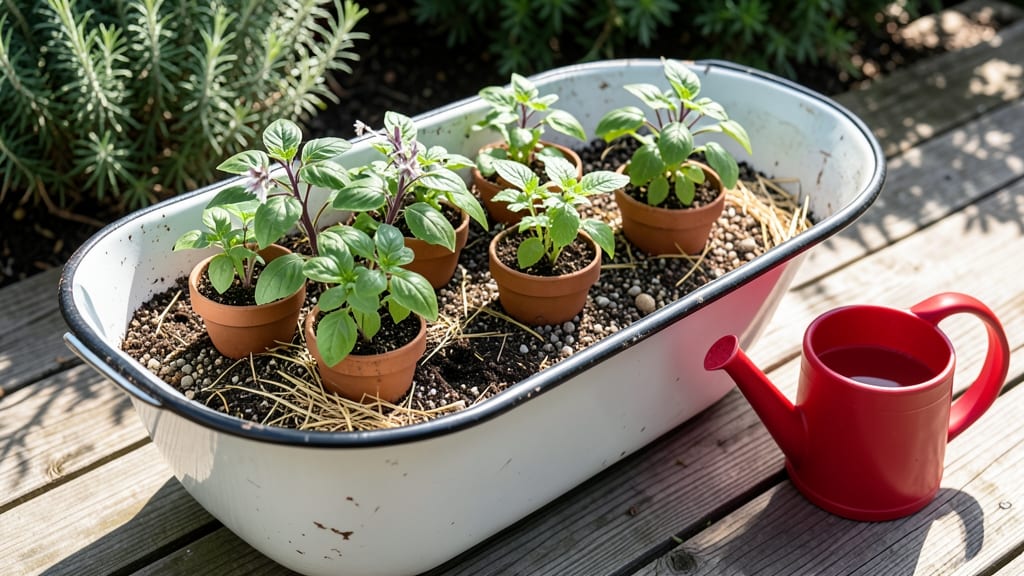
A garden bathtub is a repurposed vintage bathtub transformed into a raised planter, perfect for small-space gardening that grows herbs, flowers, or vegetables without taking up much room. These lightweight, portable containers bring rustic charm to patios and balconies while solving space constraints.
A garden bathtub turns an old cast-iron or porcelain tub into a functional, elevated planter—ideal for urban gardeners or anyone with limited yard space. 🌿 The key is modifying the tub with drainage holes, sturdy legs or mounting brackets, and a liner to prevent soil loss.
I’ve seen these creative planters hold everything from fragrant herbs like basil and thyme to compact strawberries or even dwarf tomatoes, all while adding that nostalgic, industrial-chic aesthetic to outdoor spaces.
What makes them so practical is their portability—you can move them to follow sunlight or protect them during harsh weather. Plus, the high sides make weeding and harvesting easier, especially for beginners.
Just be sure to choose lightweight plants that won’t overwhelm the tub’s capacity, and you’ve got a low-maintenance, high-impact gardening solution!
💡 In This Article
- How Repurposed Bathtubs Become Functional Planters
- Best Plants for Bathtub Planters in Small Gardens
How repurposed bathtubs become functional planters
The transformation begins with selecting the right bathtub material. Cast-iron tubs, like those from the 1950s-70s, are ideal—they’re durable, rust-resistant, and can hold up to 30-50 pounds of soil and plants when properly reinforced. Porcelain-enamel tubs work too but may crack under heavy loads without support.
The first critical step is drilling 1/4-inch drainage holes along the bottom edge, spaced about 6 inches apart, to prevent waterlogging while allowing excess moisture to escape.
Drainage is non-negotiable—root rot thrives in waterlogged soil, and bathtubs lack natural permeability. I recommend using a plastic plant saucer or landscape fabric beneath the drainage layer to catch debris while keeping the soil contained. For stability, you’ll need to modify the tub’s structure.
Many gardeners attach heavy-duty metal legs (like those used for workbenches) or repurpose old wooden sawhorses wrapped in rubber feet to prevent wobbling. Another clever hack is mounting the tub to a wall with L-brackets, creating a vertical garden that saves floor space.
Soil retention is where creativity kicks in. Line the tub with landscape fabric or a heavy-duty plastic liner to prevent soil from slipping through drainage holes.
Fill the bottom 2-3 inches with gravel or broken pottery shards to improve drainage further, then add a 2-inch layer of perlite or vermiculite to lighten the mix.
The top 12-18 inches should be a blend of 60% potting soil, 20% compost, and 20% sand or coconut coir—this ratio ensures aeration while retaining moisture without becoming soggy.
Weather resistance is often overlooked but critical. If your tub sits outdoors year-round, seal any rust spots with epoxy primer and apply a waterproofing spray to the exterior. For extra protection, paint the outer surface with non-toxic, UV-resistant exterior paint in a color that complements your garden.
The handles on vintage tubs can double as plant supports—just bend them slightly to create trellises for climbing plants like nasturtiums or peas. This dual-purpose design maximizes functionality while keeping the rustic charm intact.
Portability is one of the biggest selling points. A properly modified bathtub planter typically weighs 20-40 pounds when empty and 50-80 pounds when filled with soil and plants—easy enough to move with two people if needed.
This flexibility lets you rotate plants to optimize sunlight exposure or tuck them under a patio cover during sudden rainstorms. For added mobility, some gardeners install swivel casters on the legs, turning their planter into a rolling garden cart.
The key is balancing stability with maneuverability, especially if you’re working with a heavy cast-iron tub.
What most people don’t realize is how the bathtub’s original design features can enhance its garden life. The curved sides create a natural 10-12 inch deep planter, perfect for shallow-rooted plants while discouraging weeds from creeping in.
The overflow drain can be repurposed as a self-watering reservoir—just place a waterproof liner inside and fill it partially with water. The soil will wick moisture upward, reducing your watering frequency by up to 30%.
This passive irrigation system is a game-changer for busy gardeners or those prone to overwatering.