
Tools
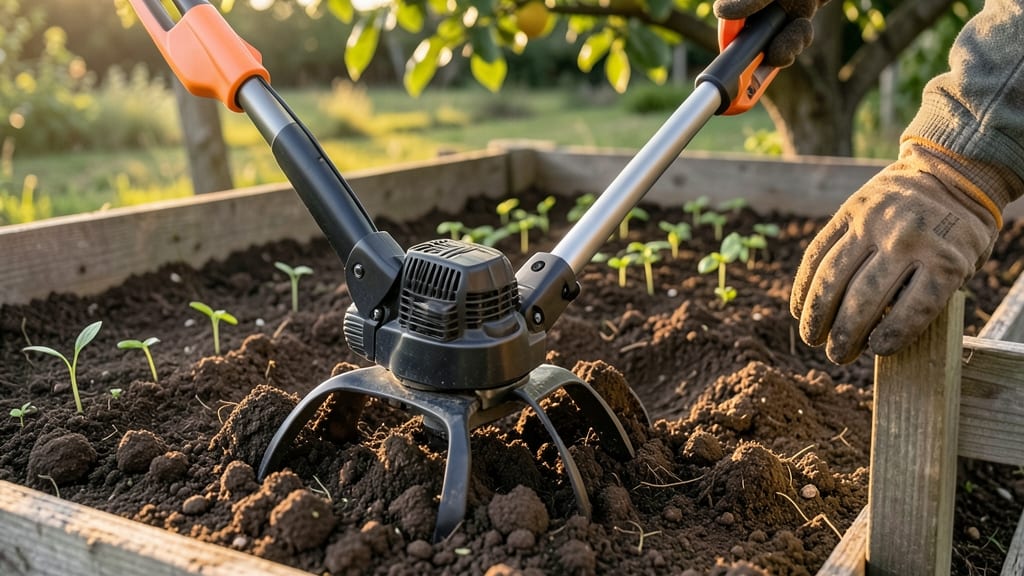
A garden cultivator is used for breaking up compacted soil, removing weeds, aerating garden beds, and preparing seedling areas without disturbing plant roots. It’s ideal for both large-scale and small-space gardening tasks.
A garden cultivator transforms tough soil into fertile ground by loosening the top layer without turning it over like a tiller.
This process boosts oxygen flow to roots and helps water penetrate deeper, which is especially helpful after heavy rain or foot traffic. 🌱 I’ve noticed the biggest difference in garden beds that get walked on frequently—cultivating just 2-3 inches deep can make plants thrive where they’d otherwise struggle.
The right tool also makes quick work of weeds before they spread, saving you hours of hand-pulling later.
Motorized cultivators handle large areas efficiently, while manual versions give you more control in tight spots. For delicate plants, I always lower the tines just enough to break surface compaction—too much can damage shallow roots.
The key is working when the soil is slightly damp but not muddy, which prevents clumping and makes the job smoother.
💡 In This Article
- How Garden Cultivators Improve Soil Health
- Best Cultivator Techniques for Different Garden Tasks
How garden cultivators improve soil health
Garden cultivators work by inserting sharp, angled tines into the soil to break up compacted layers without flipping the earth like a rototiller. This process creates tiny air pockets that improve soil aeration, which is crucial because roots need oxygen to grow.
Compacted soil can reduce oxygen levels by up to 30%, stunting plant development. The cultivator’s tines typically penetrate 2-4 inches deep, just enough to loosen the topsoil while preserving the soil’s natural structure below.
The mechanical action also disrupts the dense soil matrix created by foot traffic, heavy equipment, or seasonal rains. When soil becomes compacted, water runs off the surface instead of soaking in, and roots struggle to penetrate.
A cultivator’s tines act like tiny plows, creating channels that help water and nutrients reach plant roots more efficiently. This is why gardeners often see 20-50% better water absorption after using a cultivator in previously compacted beds. 🌱
Manual cultivators give you precise control, making them ideal for small gardens or delicate plants like strawberries or lettuce. Their lighter weight and adjustable tines let you work around existing plants without damaging roots.
Motorized versions, however, cover large areas quickly—some models can process 1,000 square feet per hour—but require more caution near established plants due to their powerful tines. The choice depends on your garden size and the level of precision needed.
One key advantage is how cultivators preserve soil organisms. Unlike tillers that turn over the entire soil layer—disrupting beneficial microbes and earthworms—cultivators only disturb the topsoil. This helps maintain the soil’s natural ecosystem while still improving its physical structure.
For example, earthworm populations can recover faster in cultivated soil because their tunnels remain intact below the disturbed layer.
For rocky gardens, cultivators with wider tine spacing or adjustable depth settings work best. The tines glide between rocks instead of getting stuck, making the job easier. I’ve found that using a cultivator in spring or fall—when soil is moist but not soggy—gives the best results.
The moisture helps the tines cut through compacted layers without clumping the soil around them. 💫
Regular use of a cultivator can also reduce weed competition by 40-60% in the first season, as it uproots young weeds before they establish deep roots. This mechanical weed control is especially effective in vegetable gardens where hand-pulling would be time-consuming.
The key is to cultivate when weeds are small—before they develop extensive root systems.