
Tools
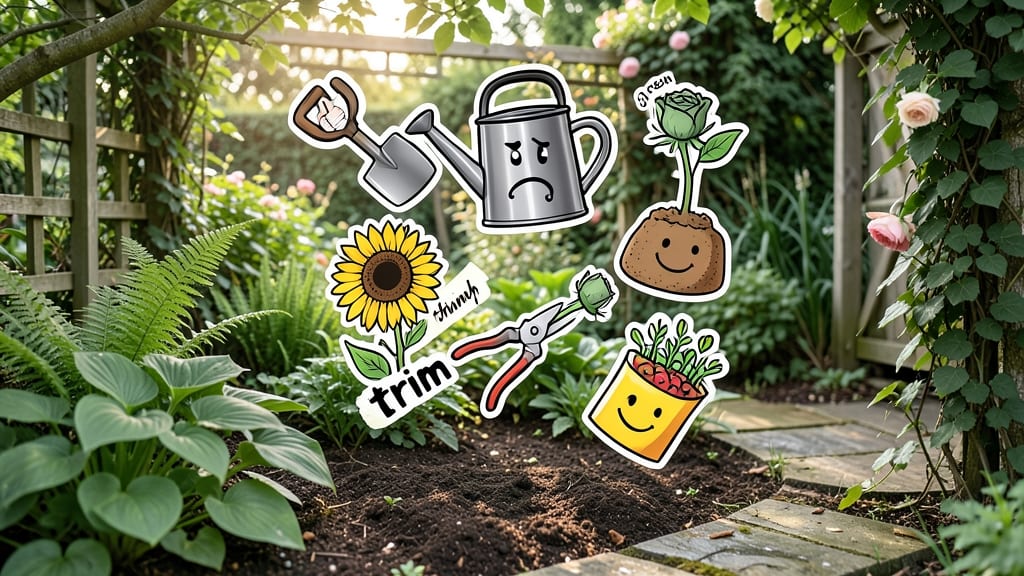
Gardening slang includes informal terms gardeners use for plants, tools, and techniques—like calling weeds 'volunteers' or soil 'black gold.' These playful phrases often blend humor, tradition, and practicality to make gardening feel more personal and less intimidating.
Gardening slang isn't just colorful—it's a language all its own, born from generations of gardeners sharing tips and frustrations. 🌱 For example, calling a struggling plant a "sad sapling" instead of a "failed transplant" keeps the mood light, while "green thumb" became a cultural shorthand for natural talent.
These terms often reflect regional quirks too: in the South, you might hear "frost-nip" for frost damage, while West Coasters call drought-resistant plants "survivors." The beauty of slang is how it turns technical terms into conversation starters—whether you're troubleshooting a "tomato blight" or bragging about your "plant daddy" skills.
What's fascinating is how slang evolves. Terms like "leaf litter" (for fallen leaves) or "compost tea" (for nutrient-rich brew) started as practical descriptions but gained cultural cachet. 🌿 Even gardening tools get nicknames: a "trowel" becomes a "digging stick," and pruners might be called "snippers."
The best part? Slang creates community—it's how new gardeners learn the ropes without feeling overwhelmed by jargon. Think of it as the gardening equivalent of inside jokes that make the hobby feel like home.
💡 In This Article
- Origins of Popular Gardening Slang Terms
- How to Use Gardening Slang Like a Pro
Origins of popular gardening slang terms
Many gardening terms trace back to 18th-century agricultural manuals, where writers used vivid metaphors to describe plants and soil.
For instance, "black gold" for rich soil originated from gold miners' slang for valuable ore, repurposed by gardeners to describe nutrient-dense compost. 🌱 The phrase "thumbs up/down" comes from a 19th-century belief that a gardener's thumb position could predict a plant's success—a myth that stuck despite being scientifically debunked.
Regional dialects play a huge role too. In the American South, "frost-nip" describes frost damage, while West Coast gardeners call drought-resistant plants "survivors." These terms often reflect local growing challenges—like "tomato blight" in humid climates versus "cabbage moth" in cooler regions.
Even tool names vary: a "trowel" becomes a "digging stick" in rural areas, while urban gardeners might call pruners "snippers."
Cultural influences also shape slang. "Plant daddy" emerged in the 1990s from urban gardening communities, where care for plants was compared to fatherly devotion. Meanwhile, "grandma’s secret" refers to heirloom recipes or propagation tricks passed down through generations.
The term "leaf litter" for fallen leaves gained popularity in ecology circles before becoming mainstream gardening jargon. These phrases often blend practicality with nostalgia or humor.
Some slang stems from plant biology itself. "Volunteer" for weeds comes from the idea that these plants "volunteer" to grow where they're not wanted, while "sad sapling" describes a struggling young plant.
The term "compost tea" reflects the brewing process that mimics tea-making, using water to extract nutrients from compost. These names make complex concepts more relatable and easier to remember.
What's fascinating is how slang evolves with technology. Terms like "hydroponic" (from Greek roots) were once obscure but now appear in everyday conversations. Even social media has coined new phrases, like "plant mom" for female gardeners or "garden therapy" for stress relief through gardening.
The language adapts to reflect both tradition and modern trends.
Consider these key factors when decoding gardening slang:
- Historical roots: Many terms originate from 18th-19th century agricultural texts or regional dialects
- Practical origins: Names often describe plant behavior or growing conditions (e.g., "frost-nip")
- Cultural influences: Urban gardening, heirloom traditions, and media shape modern slang
- Scientific ties: Some terms come from botany or ecology (e.g., "compost tea")