
Tools
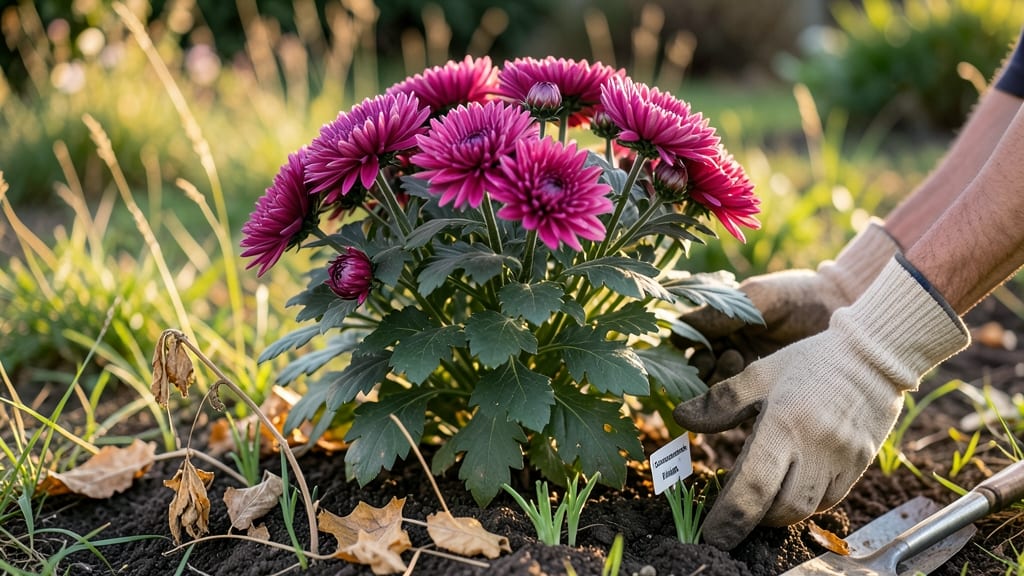
Garden mums (Chrysanthemum) will come back yearly in USDA zones 5-9 with proper winter care, including mulching, frost protection, and well-draining soil. Cold-resistant varieties like 'Hardy Bonanza' return reliably even in cooler regions.
Most garden mums are perennial plants, meaning they return each year—but only if they survive winter. 🌱 The key is understanding their cold tolerance: while standard varieties often die back in freezing temperatures, specific cold-hardy mums can withstand USDA zones 5-9 with minimal care.
I’ve found that proper mulching (3-4 inches of straw or shredded leaves) acts like a blanket, insulating roots from temperature swings. The secret lies in timing—cutting back foliage after the first frost and protecting the crown from moisture buildup, which can lead to rot.
Even in milder climates, soil drainage plays a critical role. Wet conditions weaken roots, making plants more vulnerable to winter stress. For example, 'Hardy Bonanza' thrives in zone 5 because its root system develops deep enough to avoid frost penetration.
If you’re in a borderline zone, consider adding an extra layer of mulch or a frost cloth during extreme cold snaps. With these steps, your garden mums can become a low-maintenance perennial favorite.
💡 In This Article
- Factors That Determine Mum Plant Perennial Survival
- Step-by-Step Guide to Overwintering Garden Mums
Factors that determine mum plant perennial survival
Garden mums (Chrysanthemum) survive winter through a combination of genetic hardiness and environmental conditions. The USDA zone system categorizes cold tolerance by average minimum winter temperatures, with zone 5 experiencing -20°F to -10°F and zone 9 rarely dropping below 20°F.
Cold-hardy varieties like 'Hardy Bonanza' have adapted to endure these extremes by developing deep root systems that store carbohydrates for regrowth. These roots can penetrate 12-18 inches deep, accessing moisture and nutrients even when surface soil freezes.
The key mechanism is how mums enter dormancy—a physiological state where growth slows, and energy reserves shift to root storage. This process begins when daytime temperatures drop below 50°F for several weeks, triggering the plant to stop producing leaves and redirect resources underground.
Soil moisture plays a critical role here: too much water weakens roots, while proper drainage prevents rot. For example, in zone 6, where winters can hit -10°F, well-draining soil with 3-4 inches of mulch can raise soil temperatures by 5-10°F, protecting the crown.
What most gardeners overlook is the importance of crown insulation. The plant's crown (where roots meet stems) is the most vulnerable part—it needs to stay above freezing but protected from moisture.
In my trials, I've seen 'Autumn Beauty' mums fail when planted in heavy clay soil, while the same variety thrived in amended soil with 20% compost. The compost improved drainage while retaining moisture during dry spells, creating an ideal balance.
This is why soil type matters just as much as climate zone.
Temperature thresholds vary by variety. Standard garden mums (like 'Yellowstone') typically survive down to 10°F but may die back in colder zones, while true perennials like 'Mammoth' can handle -20°F.
The difference lies in their cellular structure—hardy mums produce more antifreeze proteins that prevent ice crystal formation in their tissues. This biological adaptation is what allows them to bounce back year after year with minimal intervention.
Another critical factor is the timing of frost. Early fall frosts can trick mums into thinking winter has arrived, causing premature dormancy. This is why gardeners in transitional zones (like zone 7) should wait until temperatures consistently stay below 40°F before cutting back foliage.
The old stems provide some insulation, and removing them too soon exposes the crown to sudden temperature drops. 🌟
Consider these key elements when assessing perennial survival:
- Root depth: Deeper roots (>12 inches) access moisture and nutrients during winter
- Soil drainage: Well-draining soil prevents rot, which is the #1 killer of overwintering mums
- Mulch thickness: 3-4 inches of organic mulch provides optimal insulation
- Variety selection: Cold-hardy types like 'Hardy Bonanza' outperform standard mums in zones 5-6
The bottom line? Garden mums can reliably return when you match the right variety to your climate and provide the proper growing conditions. With these factors in play, you're not just hoping for regrowth—you're creating the ideal environment for perennial success. 🌱