
Fertilization
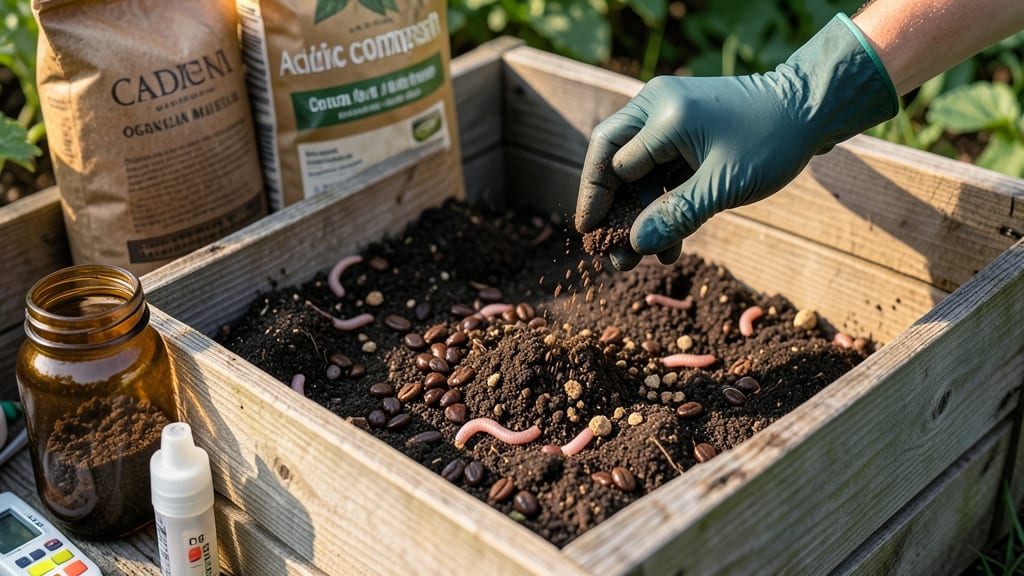
The benefits of coffee grounds in the garden include improving soil acidity for plants like hydrangeas and rhododendrons, repelling garden pests such as slugs and ants, and providing a slow-release nitrogen boost that enhances microbial life. Use them carefully to prevent excessive acidity or fungal growth.
Coffee grounds work like a natural soil conditioner because they break down slowly, releasing nutrients over time. 🌱 This gradual process creates a nutrient-rich environment that supports root development and microbial activity.
I’ve noticed that adding them to compost piles speeds up decomposition, while mixing them directly into soil can help deter unwanted pests without harsh chemicals.
For best results, I recommend sprinkling a thin layer around acid-loving plants or using them as a mulch. Just remember—too much can make the soil too acidic, so balance is key. A little goes a long way when you’re trying to boost your garden’s health naturally.
💡 In This Article
- How Coffee Grounds Impact Soil Chemistry and Plant Growth
- Practical Ways to Use Coffee Grounds in Your Garden
How coffee grounds impact soil chemistry and plant growth
Coffee grounds work as a natural soil amendment because they contain organic acids like chlorogenic acid and tannins, which gradually lower soil pH levels.
Fresh coffee grounds typically measure around pH 6.2-6.8, but as they decompose, they can drop soil pH to 5.0-6.0—ideal for acid-loving plants like blueberries (pH 4.5-5.5) or azaleas (pH 5.0-6.0).
This acidification occurs because the organic matter breaks down into humic acids, which bind to soil minerals and release hydrogen ions over time. 🌿
The nitrogen content in coffee grounds (about 2% by weight) acts as a slow-release fertilizer, providing essential nutrients for microbial activity. When mixed into soil, these grounds feed beneficial bacteria and fungi, which in turn break down organic matter into plant-available nutrients.
Studies show that coffee-ground-amended soil can increase microbial biomass by up to 30% compared to untreated soil, improving nutrient cycling. However, the nitrogen release is gradual—too much at once can cause microbial die-off due to ammonia toxicity.
For plants that prefer neutral or alkaline soil (like tomatoes or carrots), coffee grounds should be used sparingly or composted first. The decomposition process buffers some of the acidity, making composted grounds safer for these plants.
I’ve found that mixing 1-2 cups of fresh grounds per square yard into the top 2-3 inches of soil works well for acid-loving plants, while composted grounds can be applied more liberally (3-4 cups per square yard) for broader use.
One often-overlooked benefit is improved soil structure. Coffee grounds add organic matter that enhances water retention and drainage—critical for sandy soils that dry out quickly. The fibrous texture creates tiny air pockets, which aerates compacted soil.
This is why gardeners often mix grounds into heavy clay soils to improve root penetration and reduce waterlogging. The breakdown process also releases trace minerals like potassium and phosphorus, though in smaller amounts.
Timing matters when using coffee grounds. Fresh grounds should be applied in early spring or fall, allowing 3-4 months for decomposition before planting. If you’re using them as mulch, a 1-inch layer around plants like hydrangeas will slowly acidify the soil without overwhelming the roots.
For compost piles, grounds speed up decomposition by attracting worms and microbes, but they should make up no more than 20% of the pile to avoid imbalance. 🌱
What most people don’t realize is that the benefits extend beyond the soil. The strong aroma of coffee grounds repels many garden pests, including slugs, ants, and even some fungal diseases.
The caffeine in grounds acts as a natural fungicide, inhibiting the growth of pathogens like Phytophthora, which causes root rot in many plants. This dual-action—nutrient boost and pest control—makes coffee grounds one of the most versatile organic amendments available.