
Light Requirements
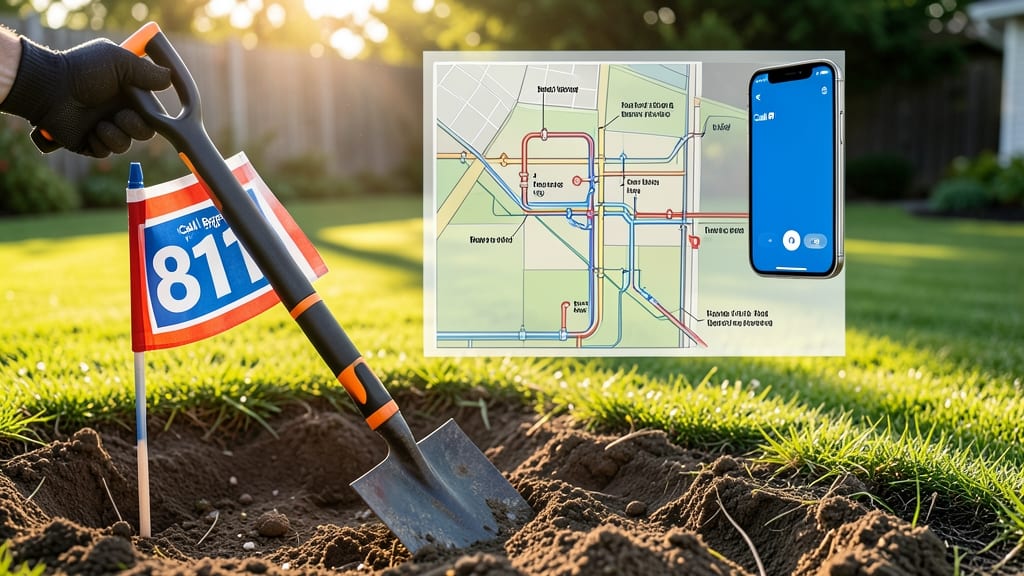
You need to call 811 before digging in your garden in most U.S. states to locate underground utilities like gas lines, electrical cables, and water pipes—this prevents dangerous accidents and costly damage. Always check your state's specific regulations before starting any landscaping work.
This simple call connects you to a free service that marks utility locations with bright flags or paint, making your garden project both safer and more efficient. 🔥 Many gardeners skip this step, unaware that even small-scale digging—like planting a new tree or installing an irrigation system—can strike buried lines.
The process takes just a few days, and the protection it offers is priceless.
Each state manages its own 811 program, so rules vary—some require calls for any digging over 6 inches, while others mandate it for all landscaping work. Penalties for skipping this step can include hefty fines or legal liability if an accident occurs.
For example, striking a gas line could lead to explosions, while hitting electrical lines poses electrocution risks.
To get started, visit Call811.com or dial 811 from any phone—most requests are processed within 2-3 business days. The service is free, and the peace of mind it provides is worth every minute.
Whether you're adding a new flower bed or installing a sprinkler system, this one call could save you from a disaster.
💡 In This Article
- How 811 Prevents Underground Utility Accidents in Gardens
- State-by-State 811 Digging Rules for Gardeners
How 811 prevents underground utility accidents in gardens
When you call 811, you're activating a nationwide network that connects you to local utility companies, who then use advanced technology to pinpoint where gas, electric, water, and fiber-optic lines run beneath your property.
These companies employ ground-penetrating radar, electromagnetic locators, and even manual probing to map out lines that might be buried anywhere from 12 inches to over 6 feet deep.
The precision of this process varies—gas lines, for instance, are often marked with fluorescent paint or bright flags, while electrical cables might be traced using specialized equipment that detects their magnetic fields.
The stakes are incredibly high when it comes to striking these utilities. For example, digging into a gas line can cause explosions or toxic leaks—one incident in 2022 resulted in a residential fire after a homeowner struck a gas line while installing a garden shed.
Electrical lines pose electrocution risks, with 90% of utility-related deaths involving high-voltage cables. Water mains, while less dramatic, can flood entire neighborhoods, leading to thousands in repair costs.
The 811 system reduces these risks by 90% through proactive marking, turning a potentially deadly scenario into a safe, flagged path for your shovel or trowel.
What most gardeners don’t realize is how quickly accidents can escalate. Even a small dig—like planting a 6-foot-deep rose bush—can hit a line if it’s not marked. The 811 process typically takes 2-5 business days, but the protection it offers is immediate once the lines are flagged.
Without this step, you’re gambling with not just your garden’s future, but your safety and financial security. For instance, repairing a damaged water main can cost homeowners up to $50,000, while legal liability for injuries or property damage from a utility strike can exceed $1 million in some cases.
Beyond the physical dangers, there are legal consequences to consider. Most states have strict liability laws, meaning you’re financially responsible for any damage caused by your digging—regardless of intent.
For example, in California, striking a utility line can result in fines up to $25,000 per incident, while in Texas, homeowners have faced lawsuits for negligence after accidents.
The 811 system isn’t just a recommendation; it’s a legal safeguard in 48 states, with only Hawaii and Alaska having slightly different protocols for rural areas.
Here’s how the process works in practice: After you call 811, utility companies dispatch crews with specialized tools to map your property. They’ll mark lines with colored flags or paint—red for electric, yellow for gas, blue for water—and provide a detailed map of where to dig safely.
This isn’t just about avoiding disasters; it’s about giving you a clear, visual guide to work around these hidden hazards. For example, if you’re installing an irrigation system, knowing where the water line runs can save you from accidentally piercing it during installation.
The science behind this system relies on a combination of technology and human expertise. Ground-penetrating radar, for instance, sends electromagnetic waves into the soil and measures the reflections to create a 3D map of underground structures. Meanwhile, utility locators use magnetic fields to trace metallic pipes and cables.
The accuracy of these tools has improved dramatically—modern systems can detect lines buried under 3 feet of soil with 95% precision. This level of detail ensures that even in complex garden layouts, you’ll know exactly where to dig without risking a utility strike.
Don’t let the simplicity of the process fool you—skipping 811 is like playing Russian roulette with your garden project. The cost of a call is $0, and the potential savings—both in money and safety—are immeasurable.
Whether you’re adding a new flower bed, planting a tree, or installing a sprinkler system, taking this one step could mean the difference between a beautiful garden and a costly disaster. 💫