
Light Requirements
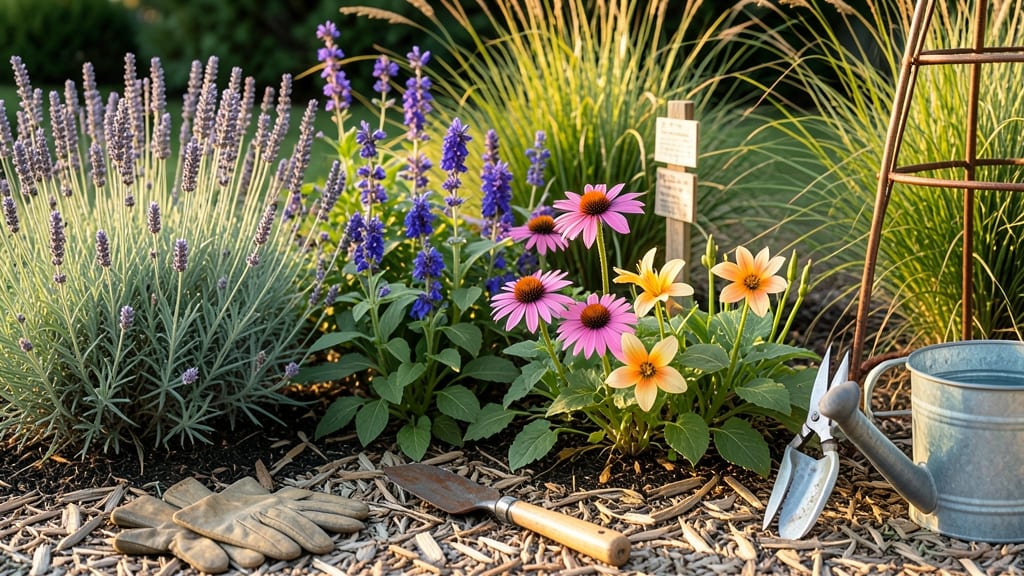
Finding an expert gardener near you ensures tailored solutions for lighting challenges—like shade management or sun exposure adjustments—and specialized plant care for thriving gardens. Look for certified local professionals with experience in your region’s climate and soil conditions.
Lighting needs vary dramatically between plants—some thrive in full sun while others wilt under direct rays. 🌱 A skilled local gardener can analyze your garden's microclimates, recommend shade solutions like latticework or strategic planting, and adjust care routines seasonally.
Their expertise extends beyond lighting: they'll identify soil deficiencies, pest vulnerabilities, and even the best pruning techniques for your specific plants. Many professionals offer free consultations to assess your space before committing to services, which helps you avoid costly trial-and-error experiments.
When vetting candidates, focus on their track record with plants similar to yours and ask about their approach to lighting challenges. For instance, do they recommend pruning to improve airflow or installing grow lights for winter supplementation?
Their answers should align with your garden's goals—whether that's maximizing blooms, growing vegetables, or maintaining ornamental foliage. Always check for certifications from organizations like the American Society for Horticultural Science or local agricultural extensions, as these indicate formal training in plant science.
💡 In This Article
- How to Identify a Skilled Local Gardener for Lighting Challenges
- Top Questions to Ask Before Hiring a Local Plant Care Specialist
How to identify a skilled local gardener for lighting challenges
Lighting challenges in gardening aren’t just about sun versus shade—they’re about understanding how photosynthesis efficiency varies by plant species. For example, a tomato plant requires 6-8 hours of direct sunlight daily to produce fruit, while a hosta thrives in partial shade (3-6 hours of filtered light).
A skilled gardener will analyze your garden’s microclimates—those small areas where temperature, humidity, and light conditions differ—using tools like light meters or simply observing plant responses. They’ll notice subtle cues, like leaf scorch on sun-loving plants or leggy growth in shade plants, which indicate lighting mismatches.
Certifications matter because they signal formal training in plant science. Look for professionals with credentials from organizations like the American Society for Horticultural Science (ASHS) or your state’s agricultural extension service.
These experts understand how spectral light quality (the balance of red, blue, and far-red wavelengths) affects growth—critical for indoor growers or those supplementing natural light. For instance, blue light promotes leafy growth, while red light encourages flowering.
A certified gardener will know when to recommend LED grow lights with specific spectra or natural shade solutions like lattice screens that diffuse harsh sunlight without blocking all light.
Portfolio examples reveal practical expertise. Ask to see before-and-after photos of gardens they’ve transformed, focusing on lighting solutions. Did they use strategic pruning to open up a dense shrubbery for better light penetration? Did they install reflective surfaces (like white walls or mirrors) to bounce light into shady corners?
Real-world results speak louder than marketing claims. Also, check reviews for mentions of seasonal adjustments—a gardener who understands how winter light angles (lower sun position) or summer heat stress impact plants will tailor their advice year-round.
Local experience is non-negotiable. A gardener familiar with your region’s USDA hardiness zone and native plants will recognize subtle lighting nuances.
For example, in Zone 7, where summers are hot and humid, they’ll know to recommend heat-tolerant varieties like okra or sweet potatoes that thrive in intense light, while avoiding delicate annuals that bolt in the heat.
They’ll also understand how soil moisture retention changes with light exposure—dry, sunny spots need drought-resistant plants, while shady areas may stay damp and require moisture-loving species.
Don’t overlook the importance of equipment and tools. A well-equipped gardener carries items like light meters (100-2000 foot-candle range), pruners for precision trimming, and shade cloth (30-50% blockage).
They’ll use these to diagnose issues like etiolation (stretched, weak stems from insufficient light) or chlorosis (yellowing leaves from too much shade). If they’re hesitant to show you their tools or explain how they use them, that’s a red flag.
Finally, trust your instincts. The right gardener will ask you questions—about your garden’s goals, your willingness to maintain their recommendations, and your budget. They’ll explain concepts in terms you understand, not gardening jargon.
For example, instead of saying, “We need to increase photosynthetically active radiation,” they’ll say, “Let’s add a few hours of morning sun to these tomatoes.” That’s the mark of a true expert who values your success as much as their own reputation. 🌿