
Tools
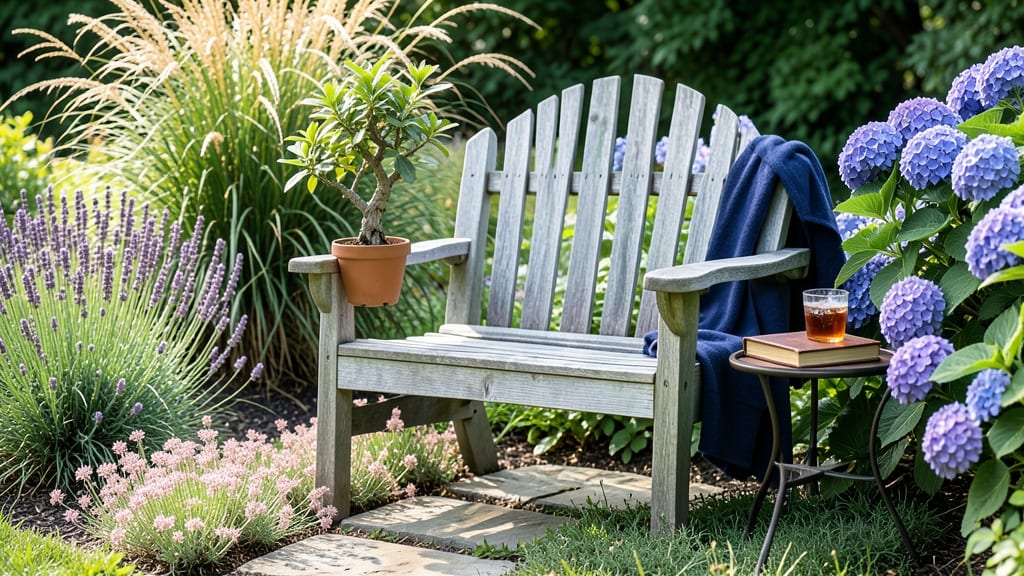
To find a garden bench near you, visit local garden centers, home improvement stores, or specialty outdoor furniture shops for weather-resistant designs in teak, metal, or resin. Many retailers provide in-store samples and delivery options for convenient outdoor seating solutions.
Local garden centers often carry curated collections with expert advice on material durability, while big-box stores like Home Depot or Lowe's offer competitive pricing and extended warranties. 🌿 I recommend checking seasonal clearance sections for high-quality benches at discounted rates—just verify the manufacturer's weather resistance ratings before purchasing.
For custom designs or limited-edition styles, boutique furniture shops frequently showcase unique craftsmanship that mass retailers can't match.
Pro tip: Always ask about assembly requirements and warranty terms—some premium benches require professional installation, while others come with easy DIY kits. Many stores also provide virtual showrooms or 3D visualizers to help you visualize the bench in your outdoor space before committing to a purchase.
💡 In This Article
- Key Factors for Choosing Durable Outdoor Garden Benches
- Where to Buy Garden Benches Near Your Location
Key factors for choosing durable outdoor garden benches
Material selection is the foundation of a garden bench's longevity.
Teak, for example, contains natural oils that repel moisture and resist rot, making it ideal for humid climates. 🌧️ However, untreated teak can fade under UV exposure over 3-5 years, so opt for pre-oiled or sealed varieties if you prioritize color retention.
Metal benches—especially those made from powder-coated aluminum or galvanized steel—offer 10-15 years of durability with minimal maintenance, though they may conduct heat on sunny days, making them less comfortable at 90°F+ temperatures.
Composite wood benches bridge the gap between aesthetics and practicality, combining recycled wood fibers with plastic binders to create a material that resists warping, cracking, and insect damage.
These benches typically come with 5-10 year warranties against fading and staining, outperforming traditional pressure-treated lumber, which can degrade within 2-3 years in wet conditions.
The key difference lies in their cellular structure: composite wood's closed-cell design repels 99% of moisture absorption, while solid wood absorbs up to 30% of its weight in water during heavy rain.
Weight capacity and construction quality are often overlooked but critical for safety and comfort. A well-built bench should support at least 300-500 pounds per seat—enough for two average adults plus pets or gardening tools.
Look for reinforced joints (like hidden metal brackets or dowel connections) and solid slat designs rather than hollow or flimsy frames. 🛠️ Benches with 1.5-inch thick seats and 2-inch thick armrests (if included) provide better stability and comfort during extended use.
The frame's thickness matters too: metal frames should be at least 0.0625 inches (1/16") thick, while wood frames benefit from 2x4-inch or thicker lumber.
Weather resistance ratings—often labeled as "marine-grade" or "commercial-grade"—indicate how well a bench can withstand specific conditions. For instance, a bench rated for Zone 4-8 climates (which covers most of the U.S.) will handle -30°F to 100°F temperatures and 80% humidity without significant degradation.
Coastal areas require benches with saltwater corrosion resistance, while desert regions need UV-resistant coatings to prevent cracking. Always check the manufacturer's specifications for these ratings, as they’re not standardized across brands.
Comfort features like cushioning or ergonomic designs can extend a bench's usability.
Some premium models include memory foam inserts or perforated seats to improve airflow, reducing heat buildup during summer months. 🌞 For benches placed in high-traffic areas, consider models with non-slip feet (often made from rubber or metal caps) to prevent shifting on uneven surfaces.
The armrest height also matters: standard designs sit at 28-30 inches from the seat, but adjustable or removable armrests offer versatility for different users.
Finally, consider how the bench will be secured to your space. Freestanding benches with weighted bases or ground anchors are ideal for windy areas, while built-in models require precise measurements to ensure a snug fit.
Always measure your patio or garden area twice—accounting for both the bench's dimensions and any additional clearance needed for comfortable seating. 📏 Pro tip: Bring a tape measure when shopping to compare benches side-by-side with your space's dimensions.