
Planting
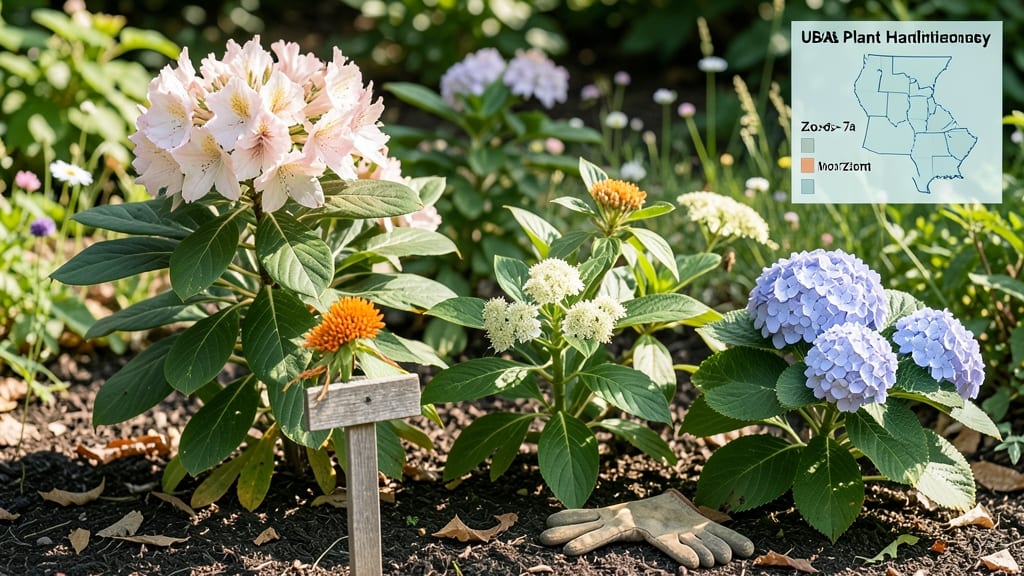
Maryland gardening zones cover USDA Hardiness Zones 5 through 8, with most areas falling in Zones 6b to 7a. Coastal regions typically align with Zone 7b-8a, while western mountain areas extend down to Zone 5b-6a. Always verify your exact location on the USDA Plant Hardiness Zone Map before selecting plants for your garden.
Understanding Maryland's gardening zones helps you pick the right plants for your yard's specific conditions. 🌱 The state's diverse geography—from the Chesapeake Bay's milder coastal climate to the cooler Appalachian foothills—creates distinct microclimates that affect plant survival.
For example, Baltimore's urban heat island effect can push temperatures up by 5-10°F compared to rural areas just 10 miles away. This variation means your neighbor's successful garden plants might not thrive in your yard, so checking the zone map before planting is essential.
These zones determine when to plant and what will grow best in your area.
For instance, Zone 5b gardeners in western Maryland should start cold-hardy crops like kale and spinach in early spring, while Zone 7b gardeners near the coast can plant warm-season vegetables like tomatoes and peppers a full month later.
The transition between zones can happen abruptly over just a few miles, so always verify your exact location for the most accurate planting guidance.
💡 In This Article
- How Maryland’s Climate Affects Plant Hardiness Zones
- Maryland Planting Deadlines by USDA Zone
How Maryland’s climate affects plant hardiness zones
Maryland’s diverse geography creates a patchwork of microclimates that directly influence plant hardiness. The state’s elevation ranges from sea level along the Chesapeake Bay to over 3,000 feet in the western mountains, where temperatures drop 3-5°F for every 1,000 feet gained.
This elevation gradient explains why Garrett County’s Zone 5b experiences 100-150 fewer frost-free days annually compared to Zone 7b in Calvert County. 🌿 The Chesapeake Bay’s moderating influence also creates coastal zones where winter lows rarely dip below 10°F, allowing tender perennials like Lantana to thrive year-round.
The urban heat island effect further complicates zone mapping. Cities like Baltimore and Annapolis can be 5-10°F warmer than surrounding rural areas, pushing effective hardiness zones upward by half a zone or more.
For example, a Hydrangea macrophylla that might survive winter in Zone 6b rural Frederick County could struggle in a Zone 7a urban backyard. This heat differential also extends planting seasons by 2-3 weeks in city gardens compared to cooler outskirts. 🌆
Microclimates near large bodies of water or dense forests create additional variations. Gardens on the western shore of the Chesapeake Bay experience 20% more humidity than inland areas, which benefits moisture-loving plants like Hostas but stresses drought-sensitive varieties.
Conversely, south-facing slopes in Western Maryland can be 1-2 zones warmer than north-facing yards just 500 feet away due to increased sunlight exposure. These localized conditions mean a 100-square-foot garden might contain multiple microclimates requiring different plant selections.
Zone transitions in Maryland often occur abruptly along geographic boundaries. The Blue Ridge Escarpment creates a dramatic shift from Zone 7a to 6b over just 2 miles, while the Patuxent River Valley maintains Zone 7b conditions despite being surrounded by Zone 6a areas.
This abruptness stems from how cold air pools in valleys while ridges experience warmer temperatures. Gardeners in transition zones should plant half-hardy varieties or use winter mulch to protect tender plants during sudden cold snaps. 🌡️
Understanding these climate factors helps explain why some plants thrive in one Maryland county but fail in another just 30 miles away. For instance, Rhododendrons flourish in the cooler, humid conditions of Zone 6b Garrett County but may struggle with heat stress in Zone 7b Anne Arundel County.
The key is observing your specific yard’s conditions—sun exposure, soil type, and wind patterns—before selecting plants, as these local factors often override the general zone guidelines. 📏
For practical application, use the USDA map as a starting point, then adjust based on your yard’s specific conditions. A simple temperature logger placed in your garden for one winter can reveal whether your microclimate aligns with the zone map or requires adjustments.
This localized data becomes your most valuable tool for successful planting. ✨