
Advice
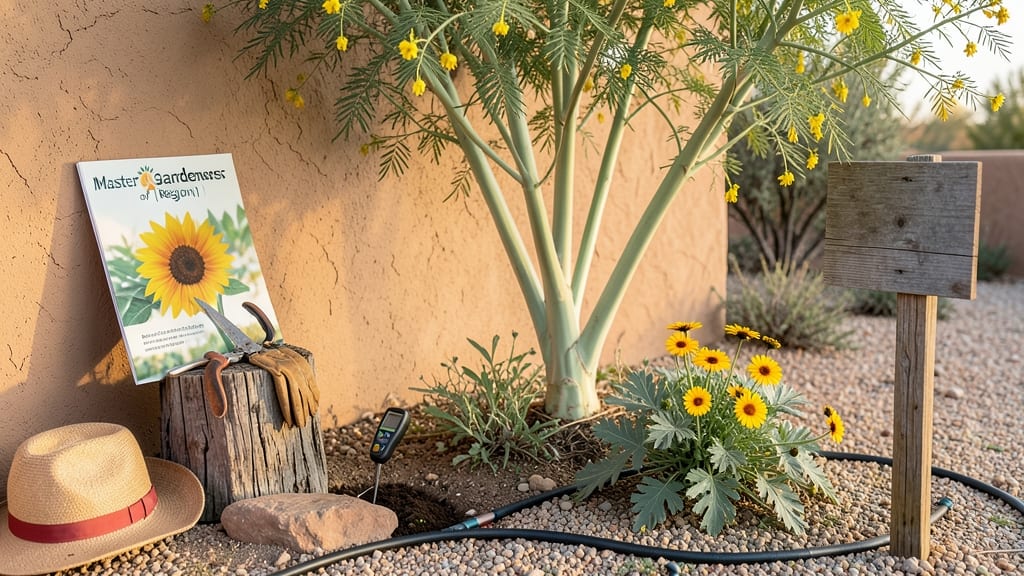
The Arizona Master Gardener Program trains volunteers to extend research-based horticultural knowledge through county Cooperative Extension offices, offering 40+ hours of classroom instruction on desert gardening, plant pathology, and sustainable practices. Applicants must pass a background check and commit to 50 hours of volunteer service annually.
The Arizona Master Gardener Program stands out for its focus on desert-specific horticulture, tailored to Arizona's unique climate challenges. 🌵 From learning about water-wise landscaping to diagnosing plant diseases common in the Sonoran Desert, this training equips volunteers with skills directly applicable to local gardens.
What sets it apart is the hands-on approach—participants often work with county extension offices to solve real community gardening problems while gaining certification.
This program isn't just about theory; it's about transforming knowledge into action. Many graduates go on to lead community gardens, teach workshops, or advise home gardeners on navigating Arizona's extreme heat and limited water resources.
The 50-hour volunteer commitment ensures you'll put your training to work immediately, whether helping at farmers markets or troubleshooting plant issues in urban desert yards.
💡 In This Article
- Arizona-Specific Desert Gardening Curriculum Focus
- How to Apply for Arizona Master Gardener Training
Arizona-specific desert gardening curriculum focus
The Arizona Master Gardener Program's curriculum is meticulously designed to address the state's extreme heat and water scarcity, with 40+ hours dedicated to desert-specific horticulture.
Unlike traditional gardening programs, this one teaches how to thrive in USDA Hardiness Zones 7-11, where summer temperatures can exceed 110°F and winter lows drop below freezing in some regions.
The science behind this includes understanding how Sonoran Desert plants like palo verde and ocotillo have evolved deep root systems to access groundwater while minimizing leaf surface area to reduce evaporation.
Soil science takes center stage because Arizona's caliche (a hardpan layer) and alkaline soils present unique challenges. Volunteers learn how to amend these soils with organic matter to improve water retention—critical for plants struggling in less than 10 inches of annual rainfall.
The program also covers drip irrigation systems, which use 80% less water than traditional sprinklers, and how to calculate precise watering schedules based on plant types and microclimates. 🌵 What's fascinating is how they teach the "soil food web"—the microscopic organisms that break down organic matter and create fertile conditions in even the driest soils.
Disease management is another critical focus, given Arizona's high humidity during monsoon season (July-September) creates ideal conditions for fungal pathogens like powdery mildew.
The curriculum teaches volunteers to identify 15+ common desert plant diseases and their life cycles, emphasizing preventive measures like proper spacing and fungicide applications timed with 75°F nighttime temperatures.
For example, they'll learn how bacterial leaf spot on citrus thrives in wet foliage, leading to strategies like removing infected leaves within 24 hours to prevent spread.
Native plant adaptations form the backbone of sustainable landscaping lessons. Volunteers study how agave stores water in its leaves while desert willow has shallow roots to capture brief summer rains.
This knowledge translates directly to home gardens, where replacing thirsty lawns with native ground covers can cut water use by up to 75%. The program even covers pollinator-friendly plants like Arizona poppies and brittlebush, which support native bees and butterflies while requiring minimal irrigation.
What sets this curriculum apart is its integration of climate data from Arizona's 15+ microclimates. For instance, Flagstaff's cooler high-desert climate (Zone 7) requires different plant selections than Phoenix's low desert (Zone 10).
Volunteers learn to use tools like the University of Arizona's Plant Selector database, which factors in sun exposure, soil type, and water availability to recommend suitable species. This precision ensures graduates can provide accurate advice to home gardeners facing Arizona's diverse growing conditions.
Field trips to research stations and demonstration gardens provide hands-on experience with hydrozoning—grouping plants by water needs—and mulching techniques that retain 30-50% more moisture in the soil.
The program's emphasis on sustainable practices extends to composting and vermicomposting, where red wiggler worms can process kitchen scraps into nutrient-rich soil amendments in just 6-8 weeks. These practical skills ensure volunteers can immediately implement what they've learned in their own gardens or community projects. 🌱