
Tools
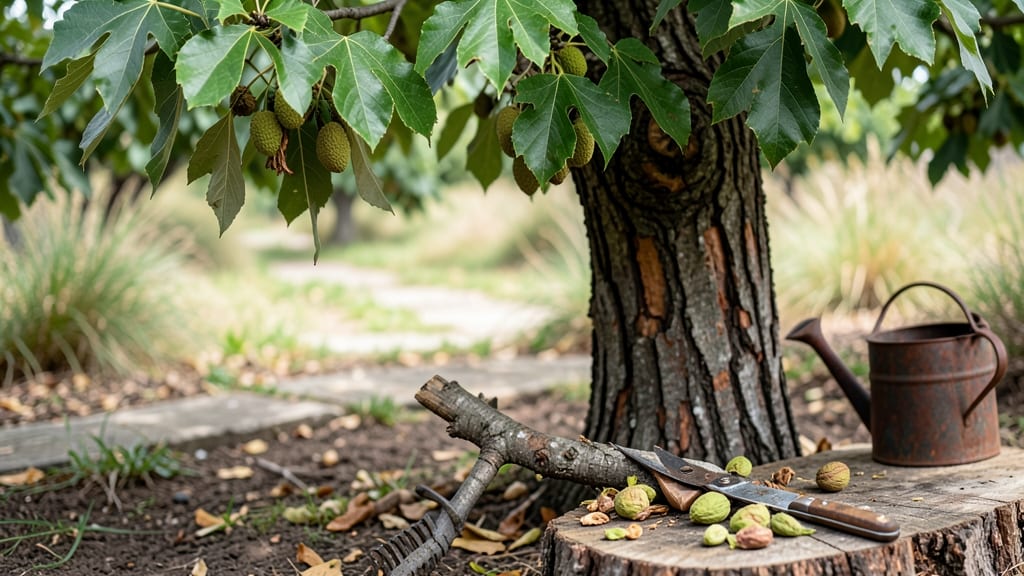
A walnut garden menu creates seasonal dishes that showcase fresh walnuts and walnut-based ingredients—like creamy sauces, vibrant pestos, and rich baked goods—paired with garden vegetables for harmonious, flavor-packed meals. The key lies in timing harvests and balancing nutty richness with fresh garden flavors.
A walnut garden menu thrives on the marriage of earthy walnut flavors with the bright, crisp notes of garden produce. 🌿 The secret to success? Harvesting walnuts at peak ripeness—typically late summer to early fall—when their shells crack open naturally.
Fresh walnuts add depth to everything from roasted vegetable bowls to herb-infused salads, while their buttery richness elevates desserts like spiced walnut cake or caramelized walnut clusters.
For maximum impact, pair walnuts with seasonal vegetables like roasted beets, sautéed kale, or grilled zucchini. Their natural sweetness complements citrusy dressings and tangy cheeses, creating a perfect balance.
The versatility of walnuts makes them ideal for both savory and sweet applications—think walnut pesto on grilled chicken or candied walnuts in a fruit salad.
💡 In This Article
- Seasonal Walnut Harvest Timing for Menu Planning
- Best Walnut-Inspired Dishes for Garden-Fresh Pairings
Seasonal walnut harvest timing for menu planning
Walnut trees typically produce their first harvest between 5-7 years after planting, but peak ripeness occurs in late August through October, depending on your climate zone.
In warmer regions like California, harvest begins as early as July, while northern states like New York see walnuts mature closer to September or October. The key indicator of readiness is the shell's natural dehiscence—when the outer husk splits open to reveal the nut inside.
This happens when the walnut reaches 50-60% moisture content, which is ideal for both fresh eating and culinary use.
The harvesting process itself is delicate. Once the husk cracks, walnuts should be collected within 1-2 days to prevent spoilage, as the exposed nuts are highly perishable. To test maturity, gently tap a walnut against a hard surface—if it sounds hollow, it's ready.
For menu planning, this means sourcing fresh walnuts in late summer for immediate use in salads, pestos, or desserts, while storing some for fall and winter dishes.
Proper storage in a cool, dark place (like a root cellar) or refrigerated can extend their shelf life for up to 6 months, preserving their rich, buttery flavor.
Understanding this timing is crucial because fresh walnuts have a higher oil content (about 65% fat) compared to dried varieties, which makes them ideal for dishes where you want that natural richness to shine.
For example, a walnut pesto made with freshly cracked walnuts will have a creamier texture and more pronounced nutty aroma than one made with dried walnuts. The oil content also means they caramelize beautifully when roasted, adding depth to roasted vegetable medleys or grain bowls. 🌟
If you're planning a multi-course walnut garden menu, consider staggering your harvest. Early-season walnuts work well in lighter dishes like salads or gazpacho, where their freshness complements crisp vegetables like cucumbers and tomatoes.
Later in the season, when walnuts are fully mature, they're perfect for heartier dishes like stuffing, sauces, or even walnut-based marinades for grilled meats. The key is to match the walnut's intensity with the seasonality of your garden produce—think roasted Brussels sprouts in fall or heirloom tomatoes in summer.
For those who don’t have access to fresh walnuts, store-bought fresh walnuts (often labeled as "in-shell" or "meat-only") can be a good substitute, though they may have slightly lower oil content. Look for walnuts with a deep brown color and minimal cracks in the shell, as these indicate higher quality.
If you're storing them long-term, freezing is another option—walnuts retain their flavor for up to 12 months when frozen in an airtight container, making them a versatile pantry staple for year-round cooking.
One pro tip: If you're harvesting walnuts yourself, wear gloves—walnut husks can stain skin and fabrics. And always crack them on a hard surface (like a cutting board) to avoid damaging the nut meat.
The effort is worth it, as freshly cracked walnuts add a distinctive, toasty aroma that elevates any dish they're in. Whether you're tossing them into a winter squash soup or blending them into a creamy dressing, their seasonal freshness makes all the difference. ✨