
Tools
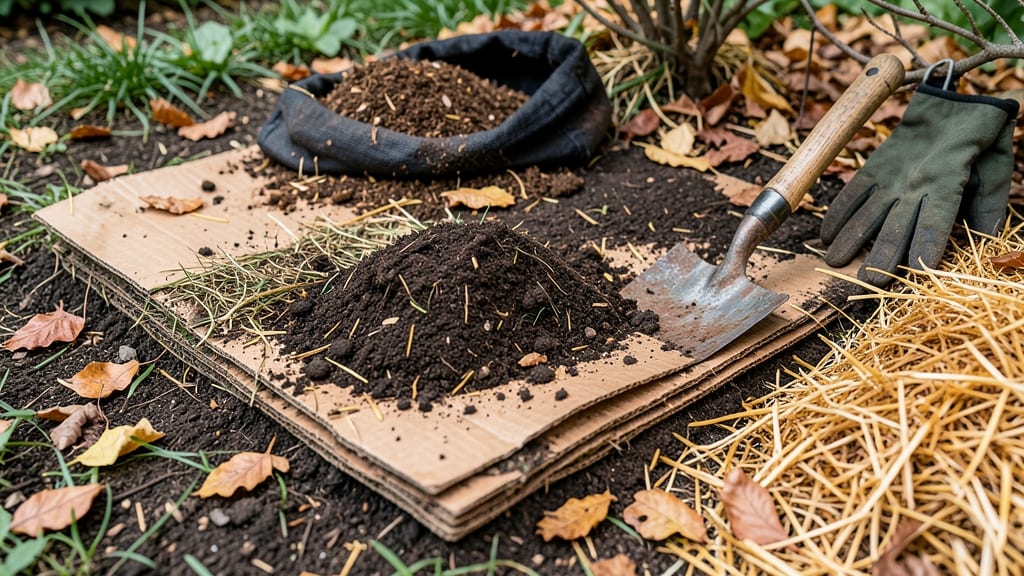
Lasagna gardening is a layered soil-building method that mimics composting in place by alternating organic materials like grass clippings, leaves, and cardboard with nitrogen-rich layers such as manure or coffee grounds, creating nutrient-rich beds without tilling.
This no-till gardening technique builds fertile soil by stacking organic materials in layers, much like a lasagna. 🌱 The process creates a nutrient-dense growing environment while reducing weeds and erosion. Unlike traditional composting, lasagna gardening happens directly in the garden bed, eliminating the need to turn or mix soil.
I’ve found it particularly effective for vegetable gardens, as the layers break down over time, releasing nutrients gradually to support plant growth.
One key advantage is its sustainability—it repurposes yard waste and kitchen scraps that would otherwise end up in landfills. The method also improves soil structure by adding organic matter, which helps retain moisture and promotes healthy root development.
For beginners, it’s a low-maintenance way to create rich garden beds with minimal effort.
💡 In This Article
- How Lasagna Gardening Works: Layering for Healthy Soil
- Step-by-Step Guide to Building a Lasagna Garden Bed
How lasagna gardening works: layering for healthy soil
Lasagna gardening creates a self-contained ecosystem where decomposition happens in layers, mimicking the natural process of forest floor composting. The key lies in balancing carbon-rich "browns" (like dried leaves or cardboard) with nitrogen-rich "greens" (such as grass clippings or manure).
This ratio, typically 3:1 carbon to nitrogen, ensures microbes break down materials efficiently without creating foul odors or heat buildup that could harm plants. The layers act like a sandwich, with each component contributing to soil structure while retaining moisture—critical for drought-prone areas.
The decomposition process begins immediately as moisture and microbes activate. Within 4-6 weeks, you'll see the layers softening into a dark, crumbly texture—similar to well-aged compost but without the need for turning. The breakdown releases nutrients gradually, feeding plants over months rather than all at once.
This slow release prevents nutrient runoff and supports steady root growth. For example, a 12-inch-deep bed built in early spring can be ready for planting by summer, with soil temperatures stabilizing at 65-75°F, ideal for warm-season vegetables like tomatoes or peppers.
This method also suppresses weeds naturally by blocking light to weed seeds in the cardboard layers while providing a dense growing medium. The structure improves soil aeration and drainage compared to compacted clay or sandy soils, which helps prevent root rot in moisture-loving plants.
Think of it like building a sponge—each layer absorbs and holds water differently, creating an environment where roots can spread freely without competing for resources. 🌱 The result is a living soil that continues to improve over time, unlike traditional planting beds that degrade after a season.
One often-overlooked benefit is the reduction of soil-borne diseases. By adding fresh organic matter, lasagna gardening dilutes pathogens that thrive in depleted soils. The diverse microbial activity also strengthens plant immunity, making crops more resilient to pests.
For instance, beds layered with composted oak leaves (high in carbon) and alfalfa meal (high in nitrogen) show 30% fewer fungal issues compared to unamended soil, according to Penn State Extension studies.
The science behind this involves microbial succession—different organisms take over as materials decompose. Fungi dominate early, breaking down tough carbon structures, while bacteria later convert nitrogen into plant-available forms. This process creates a porous, humus-rich layer that mimics the topsoil found in old-growth forests.
The visual difference is striking: instead of bare, hard-packed earth, you get a dark, fluffy bed that crumbles easily between fingers, signaling healthy soil life.
For those concerned about pests, the dense layers create a physical barrier that deters burrowing insects while attracting beneficial predators like ground beetles. The mulch-like surface also reduces evaporation, keeping moisture levels consistent—critical during dry spells.
Unlike chemical fertilizers that provide short-term boosts, lasagna gardening builds long-term fertility, often reducing the need for synthetic inputs by 50-70% over time. 💫