
Flowers
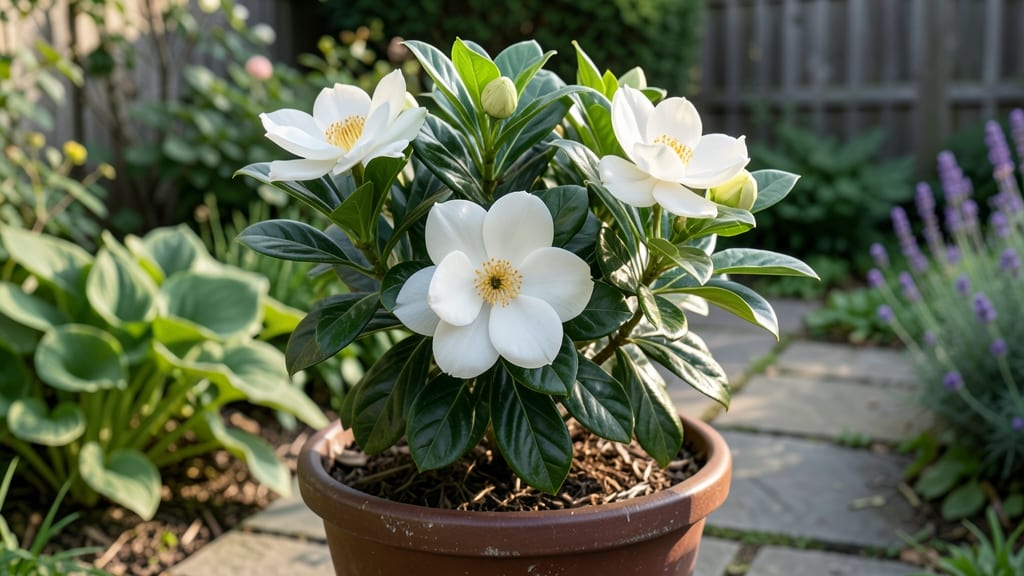
Gardenias thrive in Texas when planted in partial shade with well-draining acidic soil and consistent watering while avoiding overhead irrigation. Heat-tolerant varieties like 'Radicans' and 'Kleim’s Hardy' perform best in the Lone Star State's climate.
Texas's intense sun and heat can stress gardenias, but the right conditions make them flourish. 🌿 These tropical beauties need afternoon shade to prevent leaf scorch, especially during peak summer months when temperatures often exceed 90°F.
The key is mimicking their native humid environments—mulching helps retain moisture while improving soil drainage, which is crucial since many Texas regions have heavy clay. I've found that adding peat moss or sulfur to the soil maintains that critical acidic pH (5.0-6.5) they crave.
For gardeners in Houston or San Antonio, choosing the right variety makes all the difference. Heat-resistant types like 'Radicans' handle Texas summers better than traditional gardenias, while 'Kleim’s Hardy' offers both disease resistance and fragrant blooms.
Pruning after flowering and fertilizing with acid-loving plant food in spring keeps them healthy through the brutal summers. The secret? Never letting the soil dry out completely—consistent moisture prevents stress that leads to pests like spider mites.
💡 In This Article
- Optimal Texas Growing Conditions for Gardenias
- Top Texas-Friendly Gardenia Varieties and Care Tips
Optimal Texas growing conditions for gardenias
Texas's climate presents unique challenges for gardenias, which naturally thrive in tropical and subtropical regions with consistent humidity and moderate temperatures. The intense afternoon sun in cities like Dallas or Austin—where summer temperatures frequently hit 100°F—can cause leaf burn and stress the plant.
Gardenias evolved to prefer partial shade (4-6 hours of morning sun and afternoon shade), which helps regulate their internal temperature and prevents moisture loss through transpiration. This is why you'll often see them flourishing under the dappled shade of oak trees or near north-facing walls.
The soil in Texas poses another hurdle: most regions have heavy, alkaline clay that gardenias despise. These plants require well-draining, acidic soil with a pH between 5.0-6.5—a stark contrast to Texas's naturally alkaline soils (often pH 7.5-8.5).
To create ideal conditions, amend the soil with organic matter like peat moss or compost and add elemental sulfur to lower pH levels gradually. A soil test before planting is crucial—each 1% drop in pH takes about 2-3 months to achieve, so patience is key.
I've found that mixing 1 part sulfur to 50 parts soil works well for most Texas gardens.
Humidity control is equally critical, as gardenias originate from regions with 70-80% relative humidity. Texas summers can drop to 30-40% humidity, which stresses plants by accelerating water loss.
Mulching with 2-3 inches of organic mulch (like pine bark or wood chips) helps retain soil moisture and mimics the humid microclimate of their native habitats. For container gardeners, placing pots on trays filled with water and pebbles creates a self-watering system that boosts humidity around the roots.
This simple trick can make the difference between wilting blooms and lush, fragrant growth.
Heat tolerance varies by variety, but even the hardiest gardenias struggle when nighttime temperatures don't drop below 60°F. Texas's rare but possible cold snaps (below 32°F) can be fatal, so gardeners in North Texas should treat gardenias as annuals or protect them with frost cloth during winter.
The good news? Most gardenias recover quickly from heat stress if their roots stay consistently moist. I've observed that plants watered at the base (not overhead) develop stronger root systems, which helps them withstand Texas's brutal summers better than those watered from above.
One often-overlooked factor is air circulation. While gardenias need shade, they also require gentle airflow to prevent fungal diseases like powdery mildew, which thrives in Texas's humid summers. Planting them 3-4 feet apart and avoiding dense mulch layers allows air to circulate while keeping roots cool.
This balance is what allows varieties like 'Radicans' to thrive—its compact growth habit makes it ideal for Texas landscapes where space is often limited. The key is creating a microclimate that mimics their natural environment as closely as possible.
For those in coastal areas like Galveston, the challenge shifts slightly: salt spray and higher humidity create different stress factors. Here, choosing salt-tolerant varieties and rinsing plants occasionally with fresh water helps prevent leaf damage.
The lesson? Texas gardeners must adapt their approach based on their specific region's microclimate—whether it's the dry heat of West Texas or the coastal humidity of the Gulf Coast. 🌿