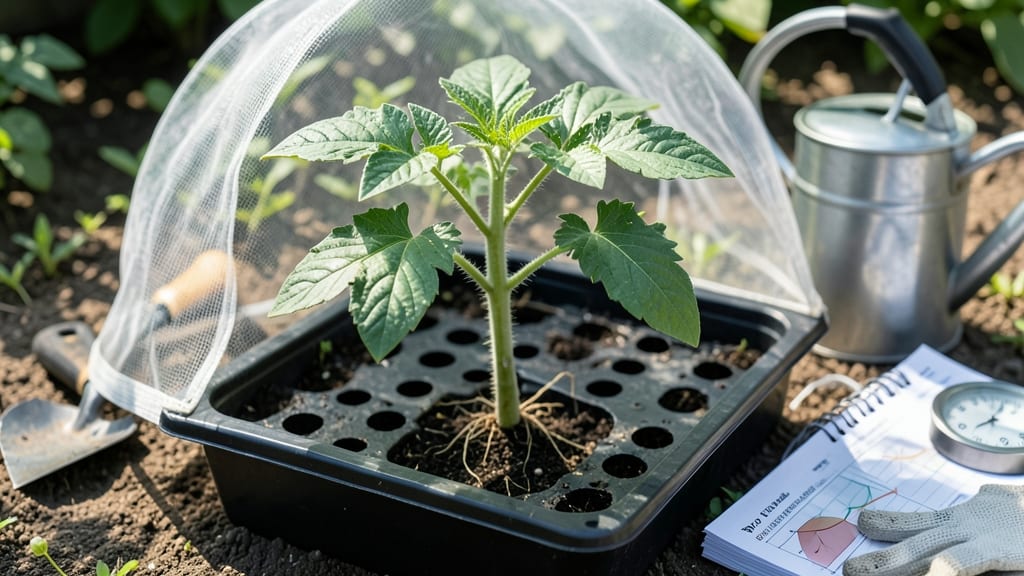
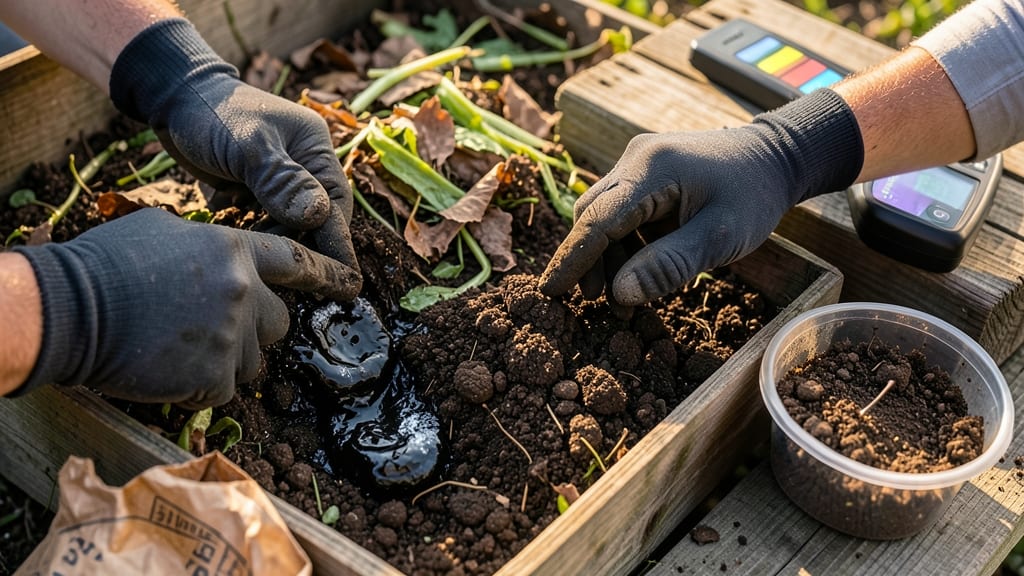
I’ve always had a soft spot for the quiet magic of a thriving garden—whether it’s the first green shoot breaking through soil in spring or the way a well-tended tomato plant can feed a whole neighborhood. My family’s backyard in Ohio was my first classroom, where my dad taught me that gardening isn’t just about growing plants; it’s about patience, trial, and the small joys of watching something you nurtured come to life. This site is where I share the lessons I’ve learned, the tricks that actually work, and the stories behind the plants that make our green spaces so special.
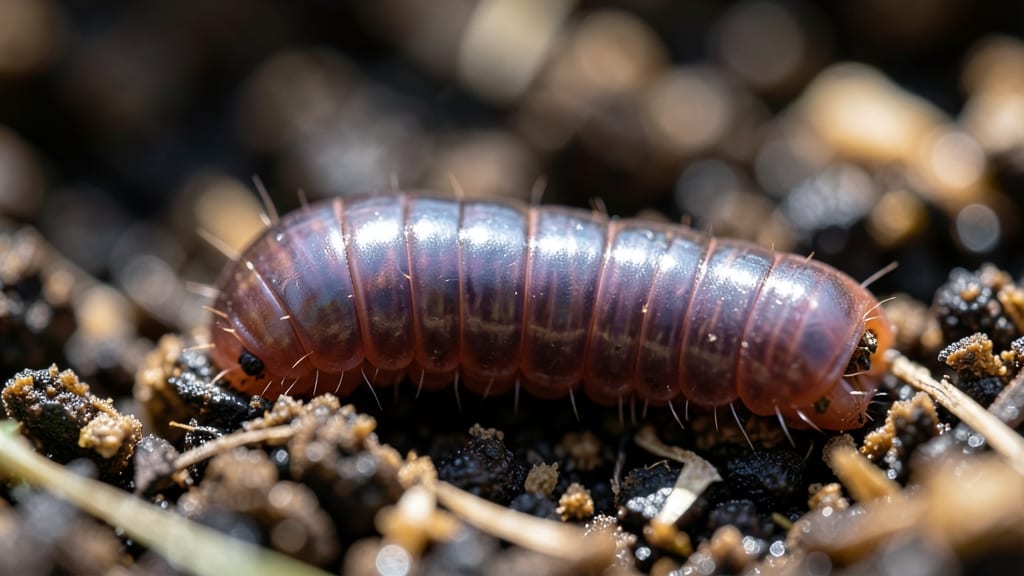
💥 Quick Answer Garden worms eat decomposed organic matter like fruit and vegetable scraps, coffee grounds, eggshells, and fallen leaves, while also consuming soil particles to break down nutrients for plant growth…
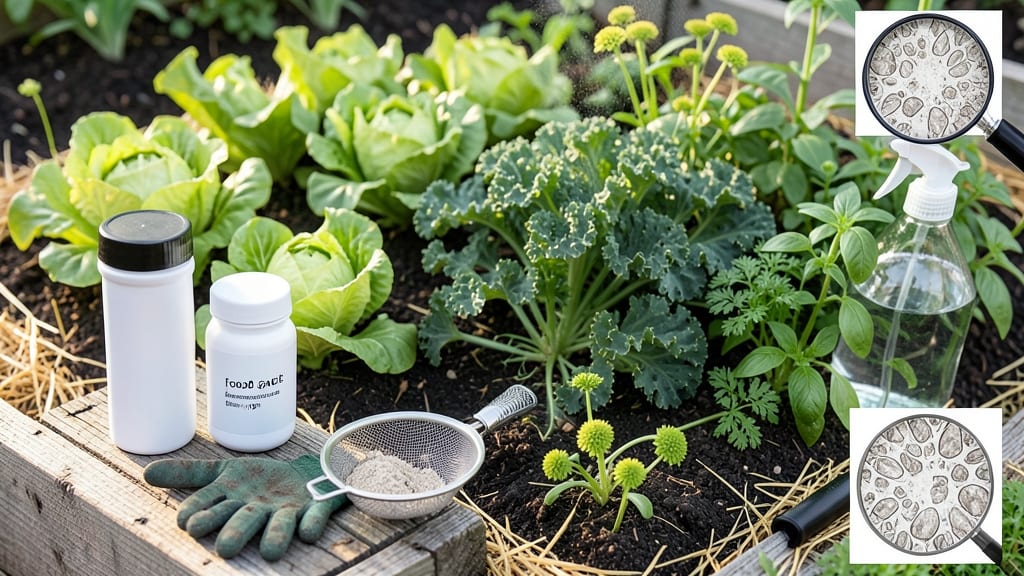
💥 Quick Answer Yes, you can put diatomaceous earth in your garden as a natural pesticide, but use food-grade DE only—apply thin layers around plants, avoid direct contact with foliage, and reapply after watering. It’s…
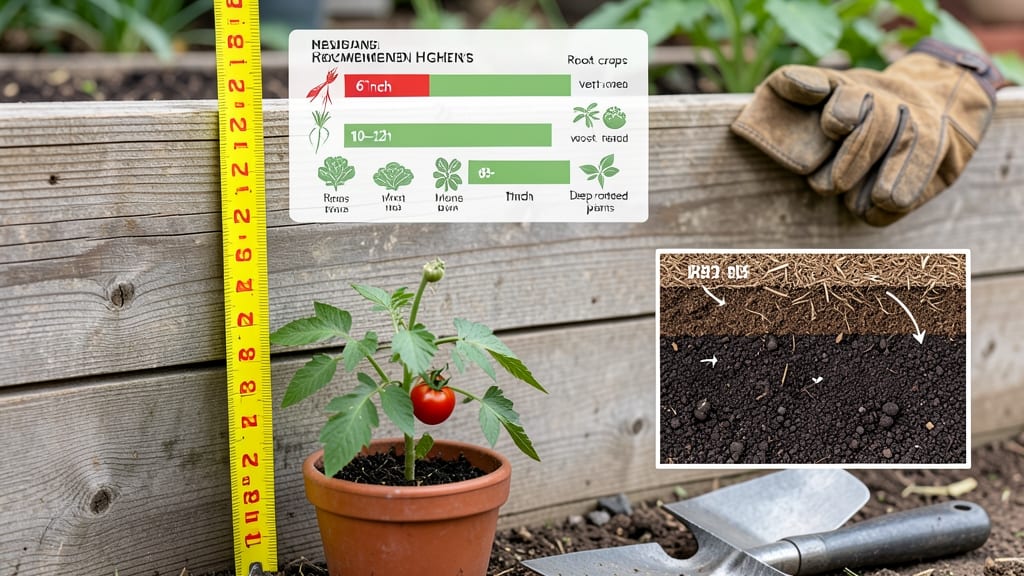
💥 Quick Answer To determine how tall a raised garden bed needs to be, aim for 6 to 12 inches to support most plants while improving drainage and ease of maintenance, though deeper beds ( 12-18 inches ) are ideal for…
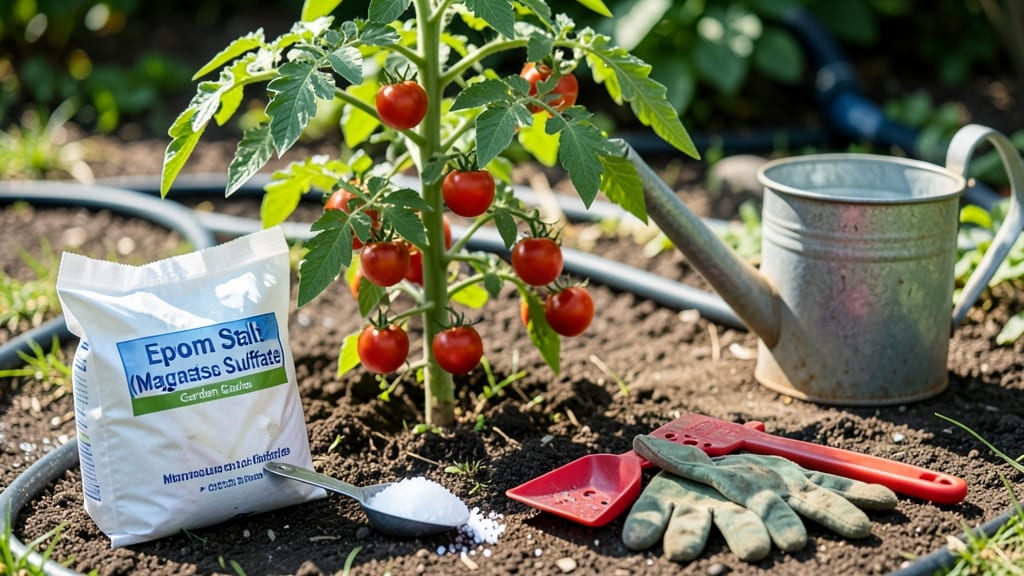
💥 Quick Answer Epsom salt for garden plants boosts magnesium and sulfur levels, which enhance chlorophyll production, fortify plant structures, and prevent yellowing—especially in nutrient-poor soils like sandy or…
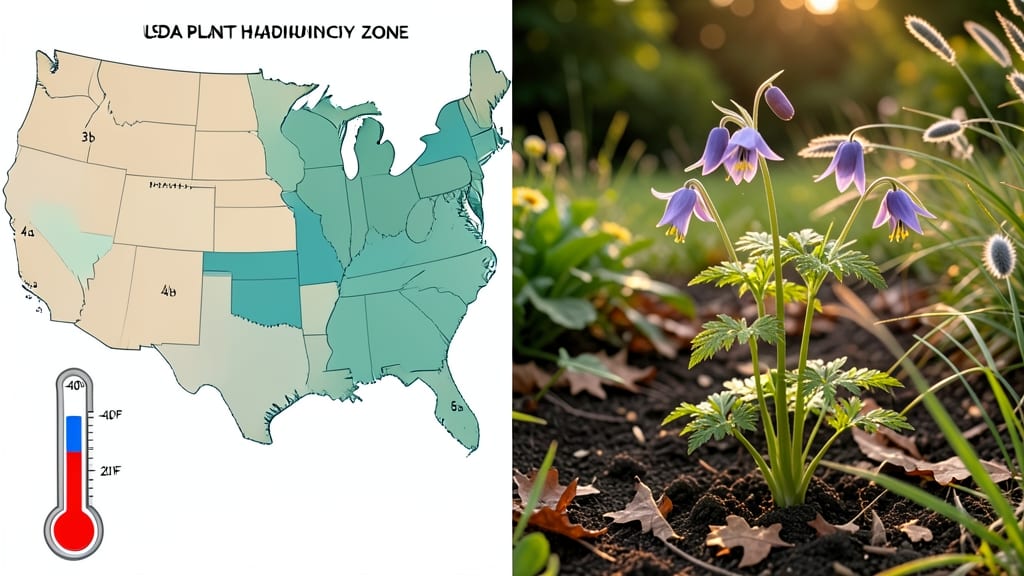
💥 Quick Answer Zone 5b gardening demands precise timing because last frost dates typically fall between April 15 and May 15, with lingering cold snaps possible through June. Frost-sensitive plants like tomatoes and…
💥 Quick Answer What gardening zone is Minnesota in? Minnesota falls within USDA Hardiness Zones 3 through 5, with northern areas like the Arrowhead Region in Zone 3 and southern regions near Rochester reaching Zone 5…
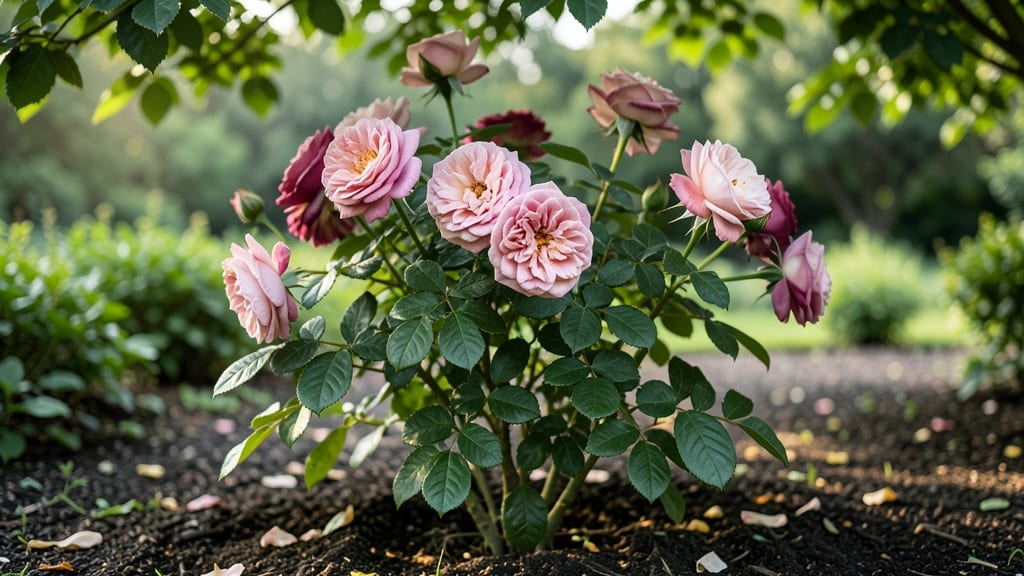
💥 Quick Answer The Woodland Park Rose Garden at North 50th Street in Seattle showcases over 700 rose varieties, featuring stunning displays in June and September. This free public garden includes hidden trails like the…
💥 Quick Answer Harden off in gardening means preparing young plants for outdoor life by slowly introducing them to sunlight, wind, and temperature changes over 7-14 days, which toughens their stems and leaves for…
💥 Quick Answer Garden soil does go bad over time, losing nutrients and structure after 1-3 years, especially if stored improperly or unused. Refresh with compost or organic matter to restore fertility and prevent…