I’ve always had a soft spot for the quiet magic of a thriving garden—whether it’s the first green shoot breaking through soil in spring or the way a well-tended tomato plant can feed a whole neighborhood. My family’s backyard in Ohio was my first classroom, where my dad taught me that gardening isn’t just about growing plants; it’s about patience, trial, and the small joys of watching something you nurtured come to life. This site is where I share the lessons I’ve learned, the tricks that actually work, and the stories behind the plants that make our green spaces so special.
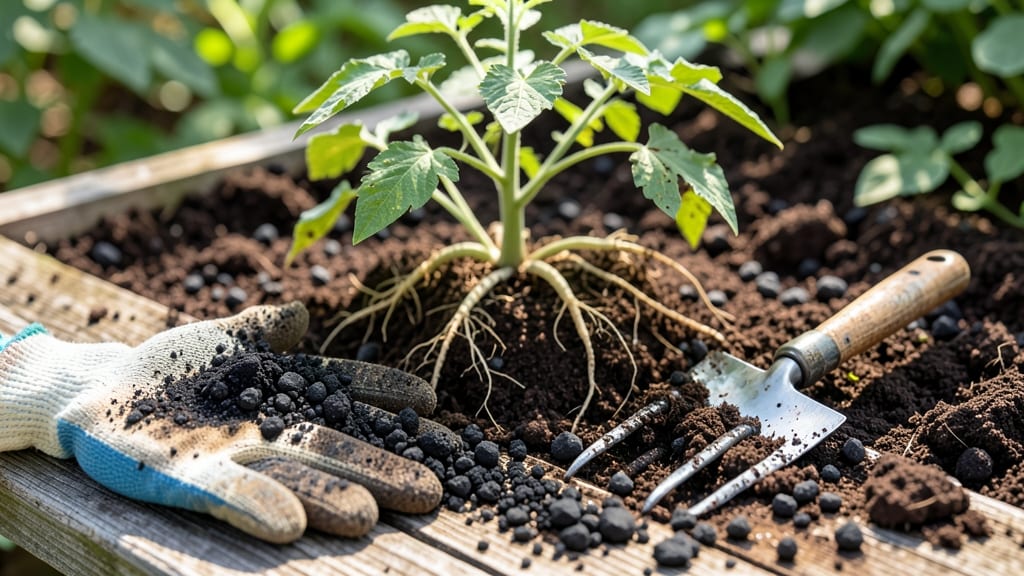
💥 Quick Answer Charcoal in gardening acts as a natural soil enhancer that improves aeration, eliminates foul odors, and repels pests by trapping harmful compounds while encouraging beneficial microbial growth—perfect…
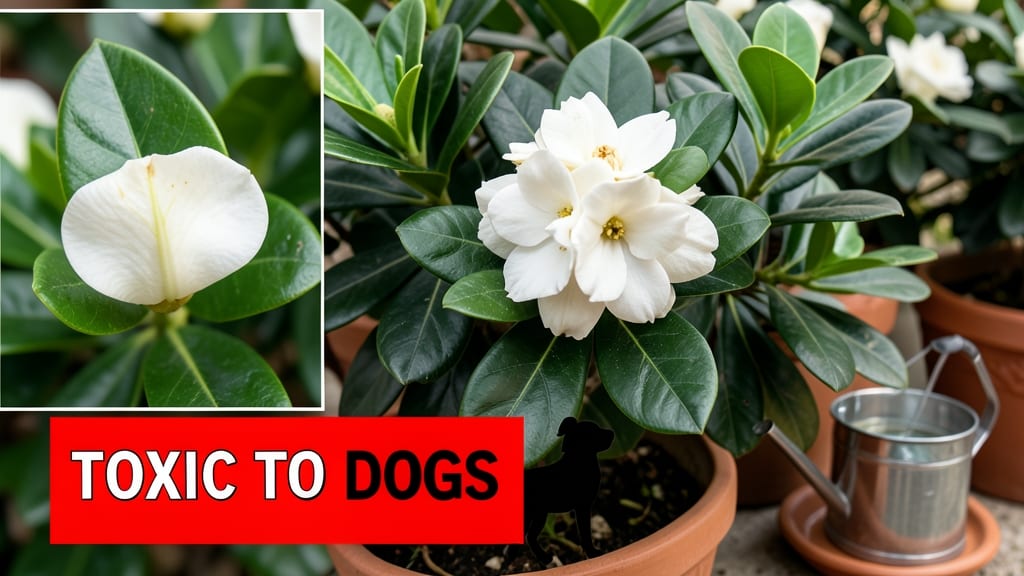
💥 Quick Answer Gardenia plants are poisonous to dogs, containing toxic compounds like saponins and essential oils that can cause vomiting, diarrhea, and lethargy if ingested. Symptoms may appear within hours and require…
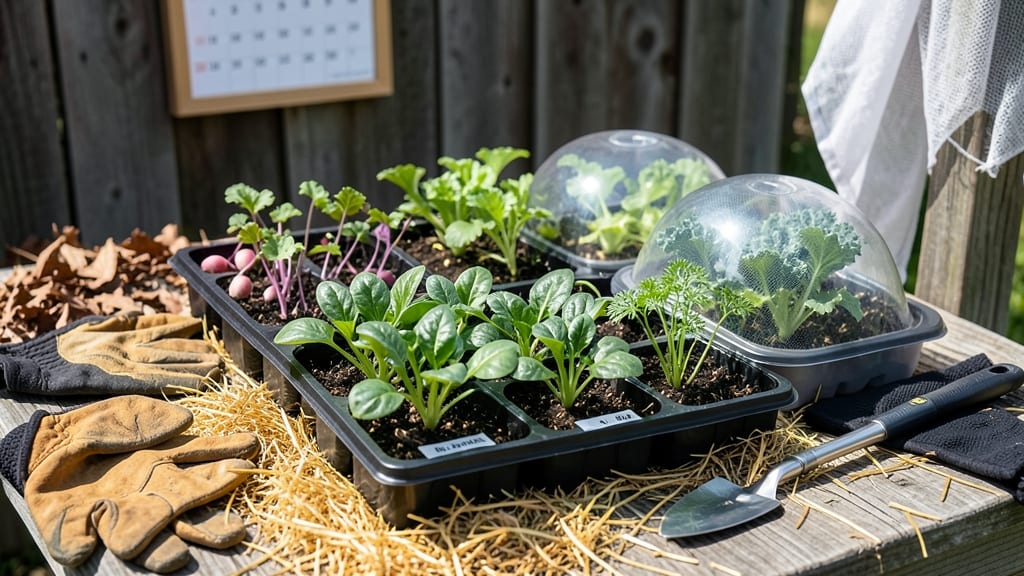
💥 Quick Answer To start a garden in Michigan, time your planting around your region’s last frost date—typically between late April and early June—but you can begin sowing cold-hardy crops like peas and spinach as soon…
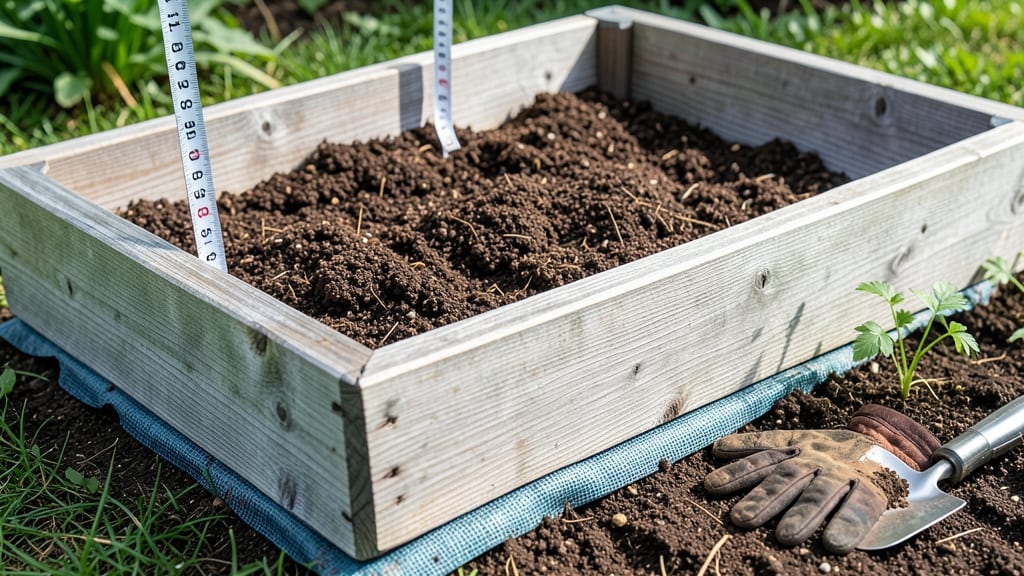
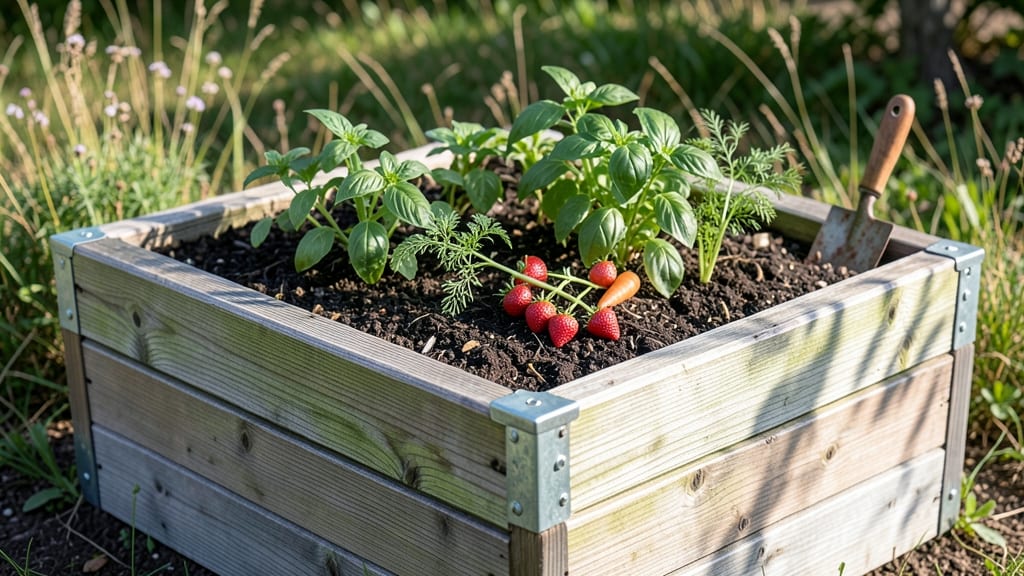
💥 Quick Answer To determine how deep a raised garden bed needs to be, aim for 6 to 12 inches for most vegetables and herbs, while root crops like carrots or potatoes require 12–18 inches of soil depth. Proper depth…
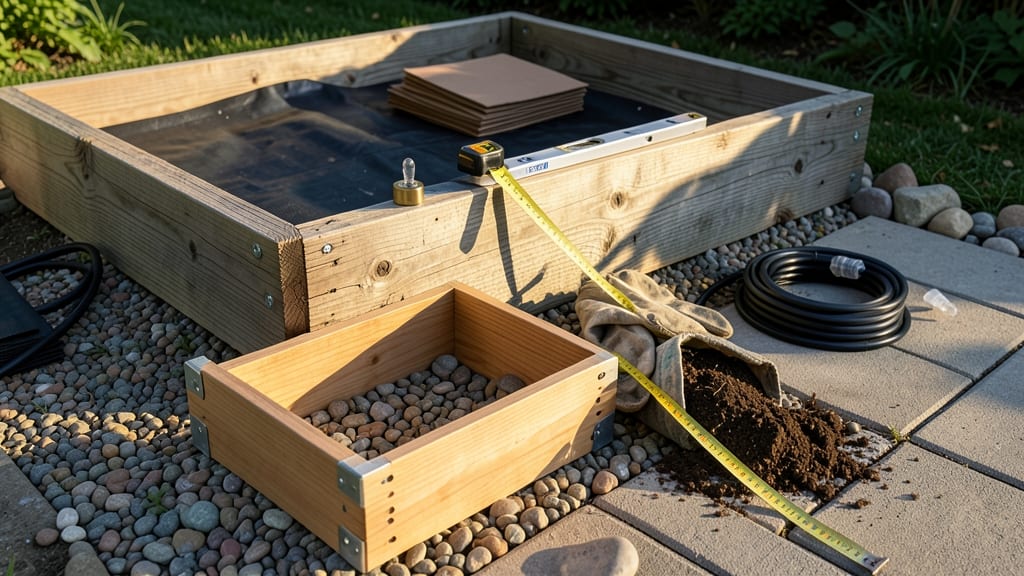
💥 Quick Answer Building raised garden beds costs between $200 and $1,500+ , depending on size (4'x8' beds range from $150-$500 for materials), lumber type (cedar or redwood cost more), and whether you DIY or hire help…
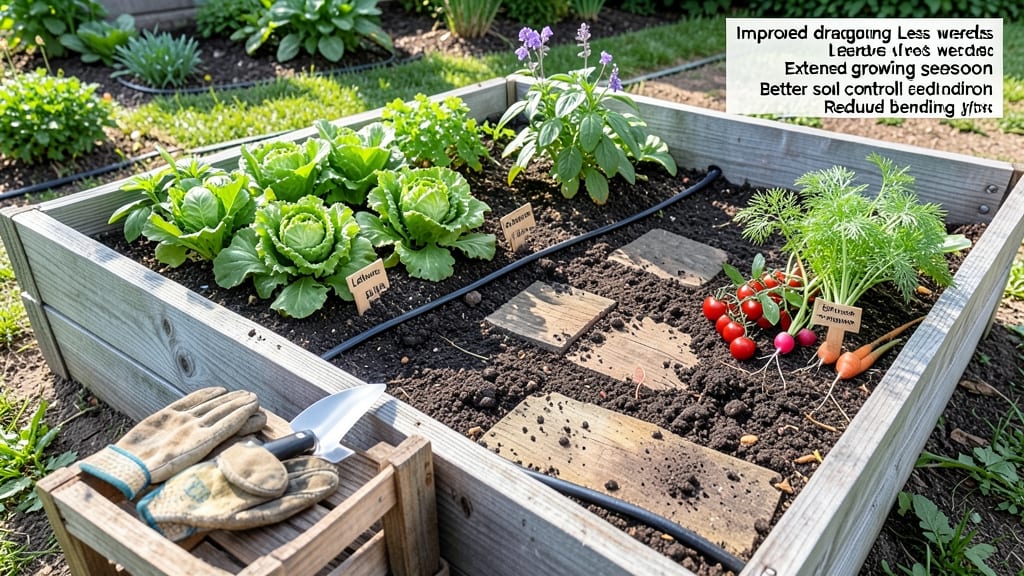
💥 Quick Answer The benefits of raised garden beds include better drainage, quicker soil warming, and fewer weeds, which help lengthen growing seasons, reduce gardening strain, and improve plant vitality and…
💥 Quick Answer Treated wood in raised garden beds significantly boosts durability by combating rot and pests, but its lifespan varies based on treatment type (ACQ vs CCA), soil exposure, and moisture control. Properly…
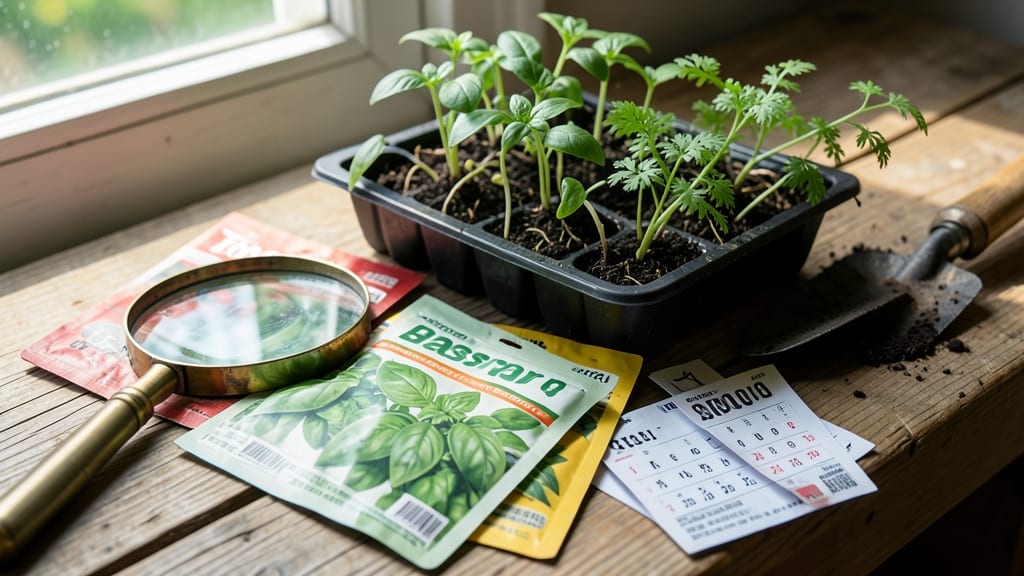
💥 Quick Answer Garden seeds do expire, with viability ranging from 1 to 10 years depending on seed type and storage conditions—most lose potency after 2–5 years if kept in warm, humid environments. Properly stored seeds…
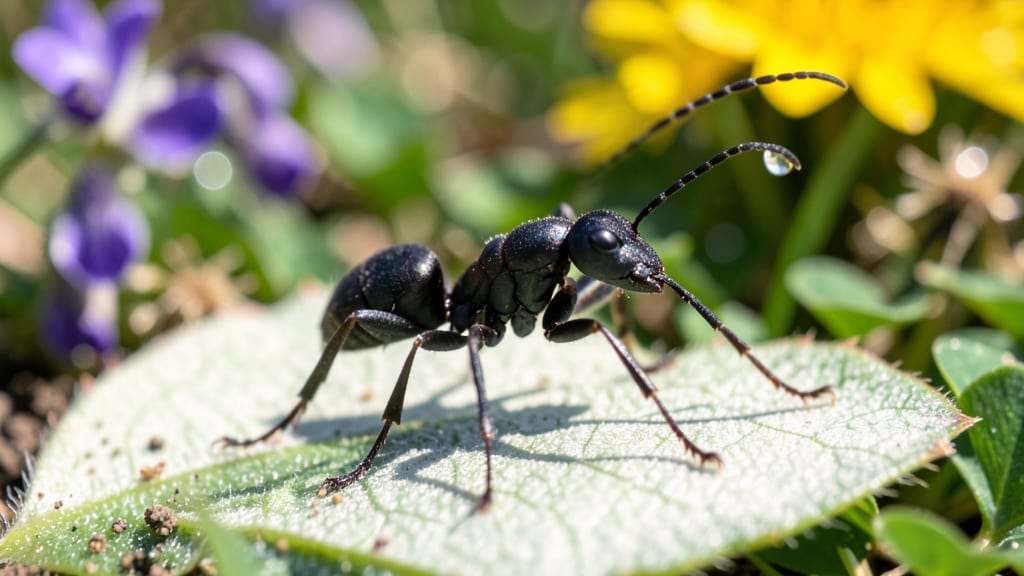
💥 Quick Answer Ants in the garden are generally okay and often beneficial, as they aerate soil, control pests like aphids, and improve nutrient cycling through decomposition. However, some species may disrupt plant…
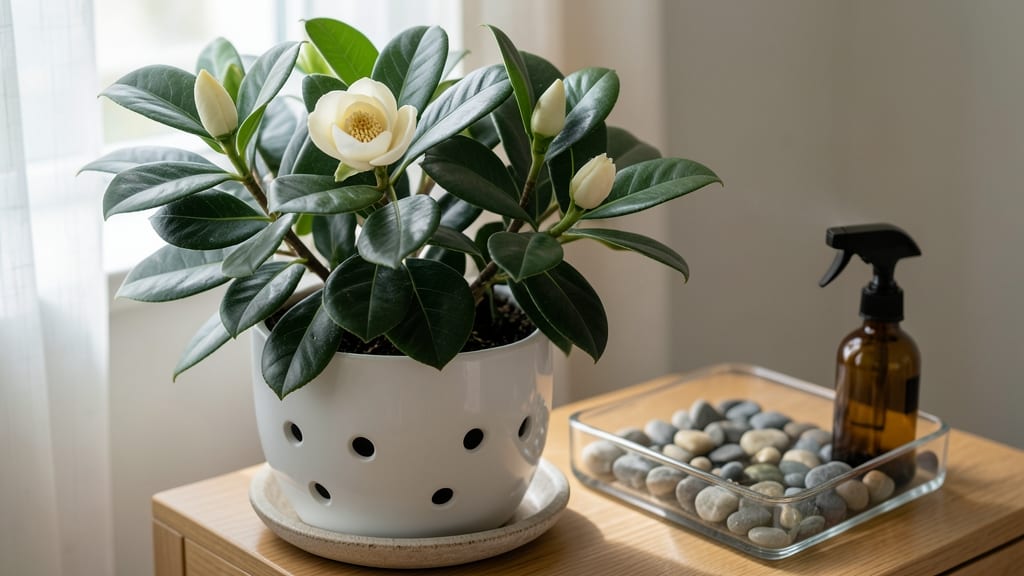
💥 Quick Answer Gardenias can be grown indoors with bright, indirect light, high humidity (60%+), and consistent warmth (65-75°F), though they need careful pruning and regular feeding to thrive in pots. Gardenias thrive…