I’ve always had a soft spot for the quiet magic of a thriving garden—whether it’s the first green shoot breaking through soil in spring or the way a well-tended tomato plant can feed a whole neighborhood. My family’s backyard in Ohio was my first classroom, where my dad taught me that gardening isn’t just about growing plants; it’s about patience, trial, and the small joys of watching something you nurtured come to life. This site is where I share the lessons I’ve learned, the tricks that actually work, and the stories behind the plants that make our green spaces so special.
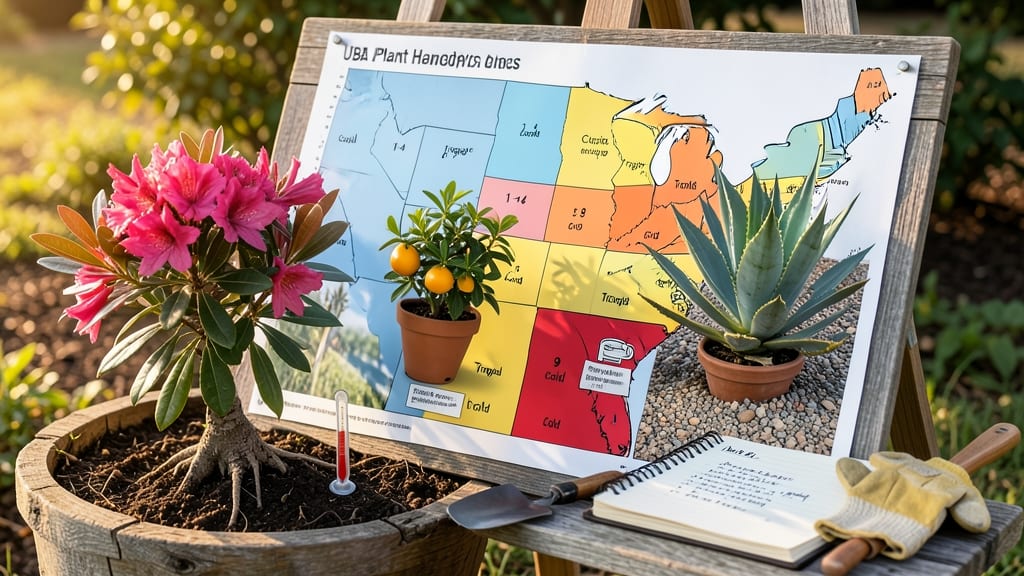
💥 Quick Answer American garden zones help you identify your region's climate conditions for successful planting, using a numbered system (1-13) based on average annual minimum temperatures. Knowing your zone ensures you…
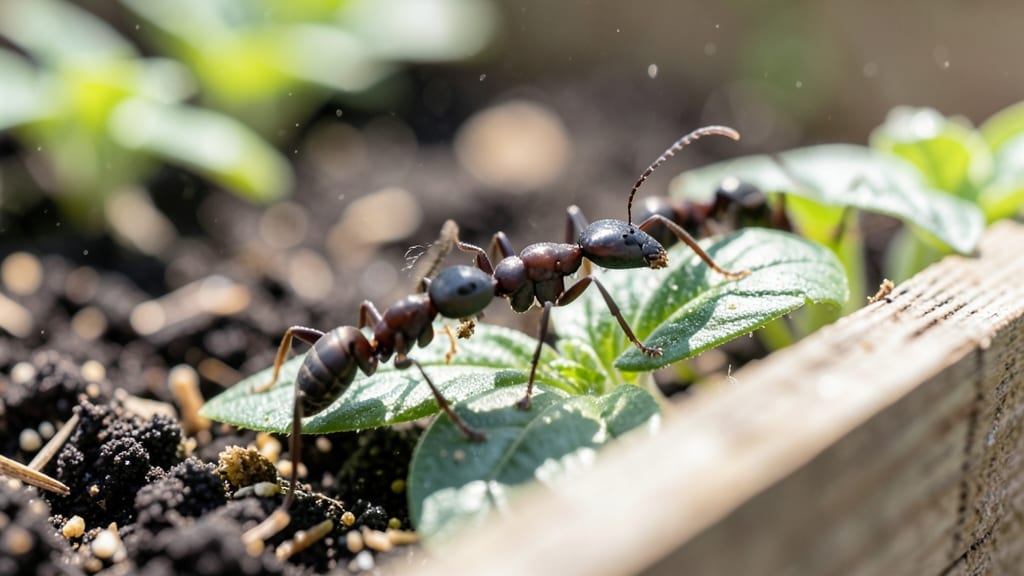
💥 Quick Answer Ants in raised garden beds appear because they seek food, moisture, and nesting spaces, though they don't typically damage plants. Try organic solutions like diatomaceous earth, vinegar sprays, or citrus…
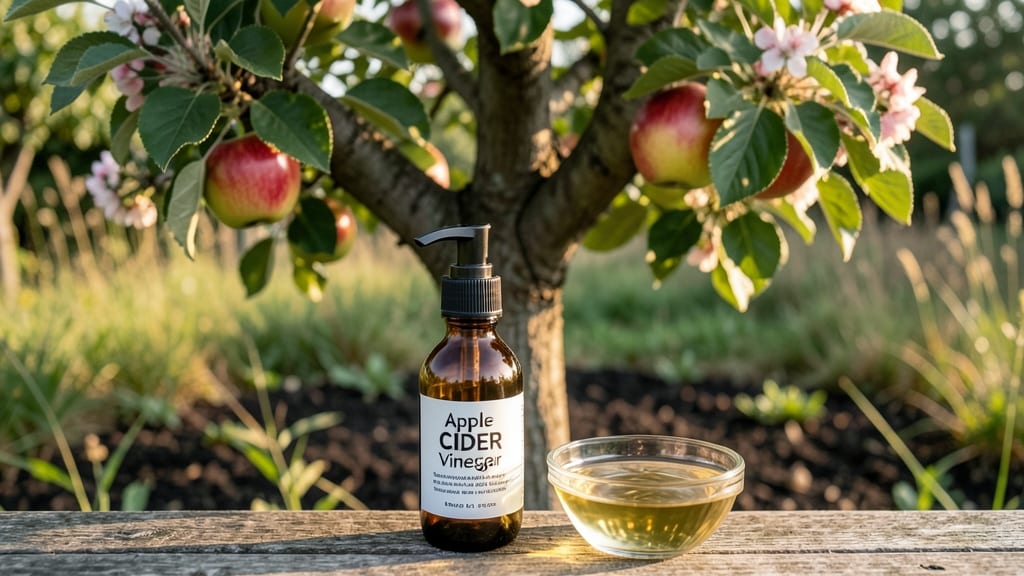
💥 Quick Answer Apple cider vinegar in gardening boosts plant health by balancing soil pH, breaking down mineral buildup, and repelling pests naturally without harsh chemicals. Always dilute it before applying to avoid…
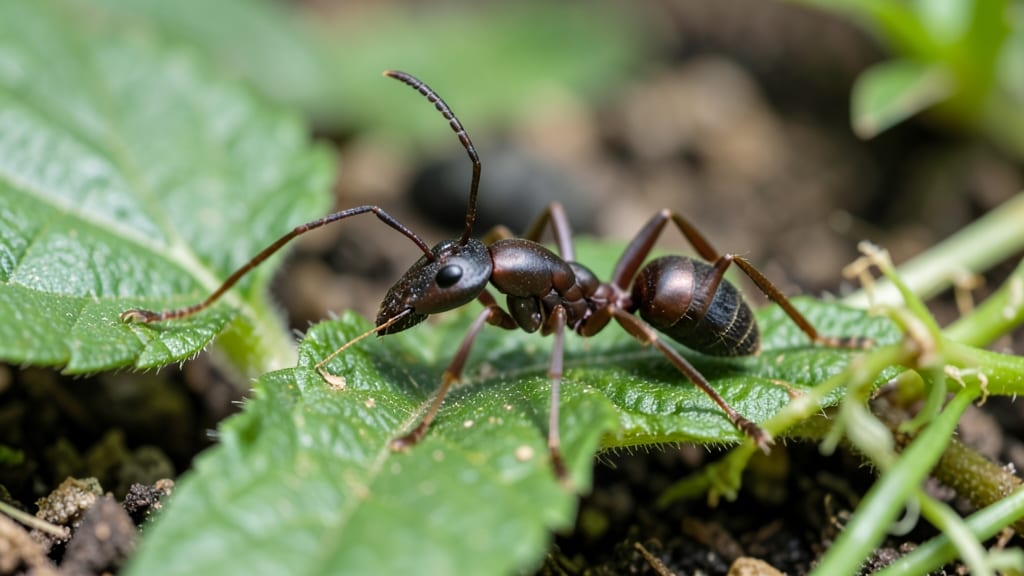
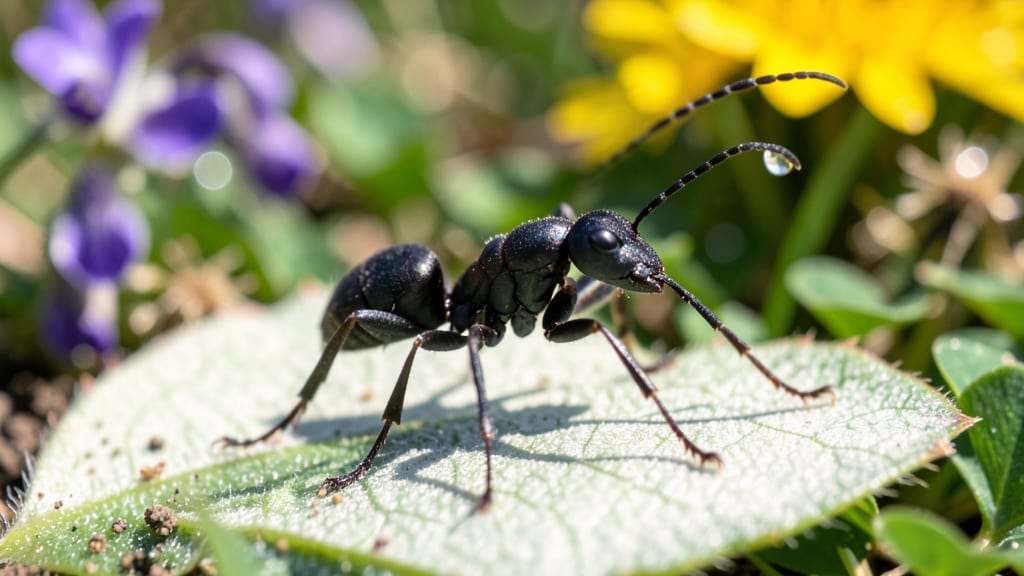
💥 Quick Answer Are ants good for gardens? Yes, because they aerate soil by tunneling, break down organic matter into nutrient-rich compost, and distribute seeds while controlling pests like aphids and termites—though…
💥 Quick Answer Ants in the garden are generally okay and often beneficial, as they aerate soil, control pests like aphids, and improve nutrient cycling through decomposition. However, some species may disrupt plant…
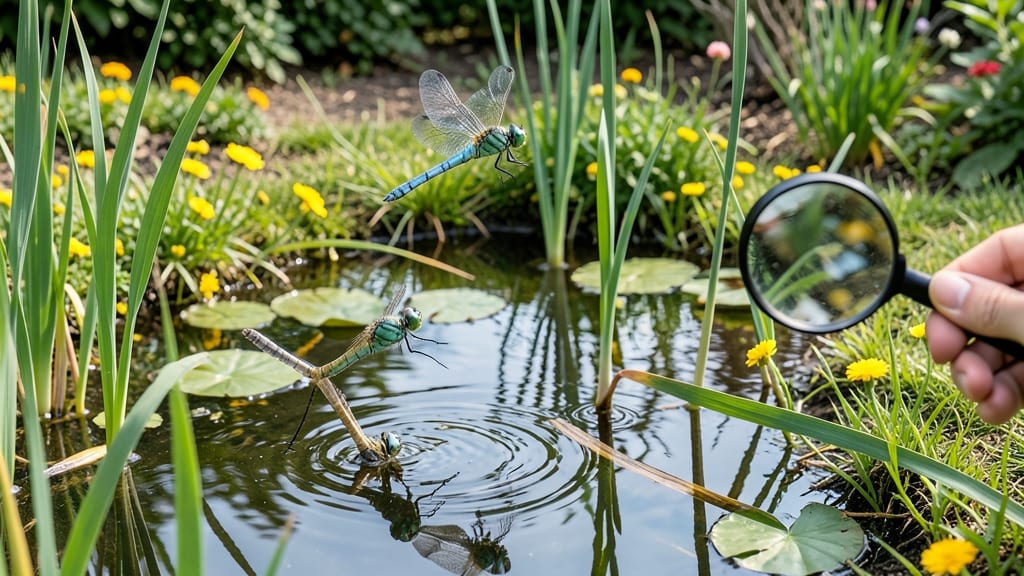
💥 Quick Answer Dragonflies are good for the garden because they act as natural pest controllers, consuming mosquitoes, flies, and other garden nuisances during their aerial hunting. Their presence also signals a…
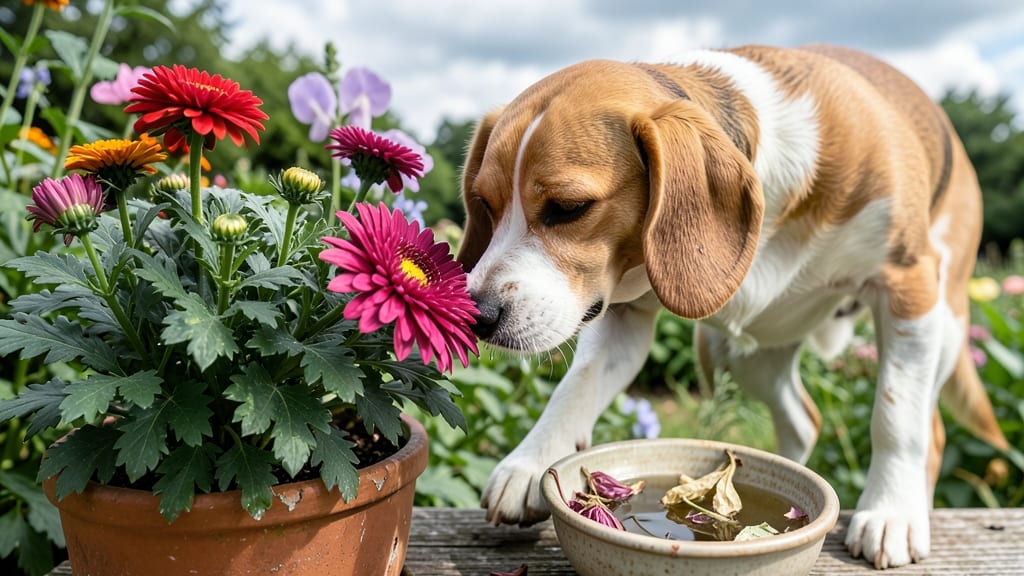
💥 Quick Answer Garden mums (Chrysanthemums) are toxic to dogs, containing pyrethrins that cause drooling, vomiting, diarrhea, and lethargy. Severe cases may lead to weakness or difficulty breathing. Remove access…
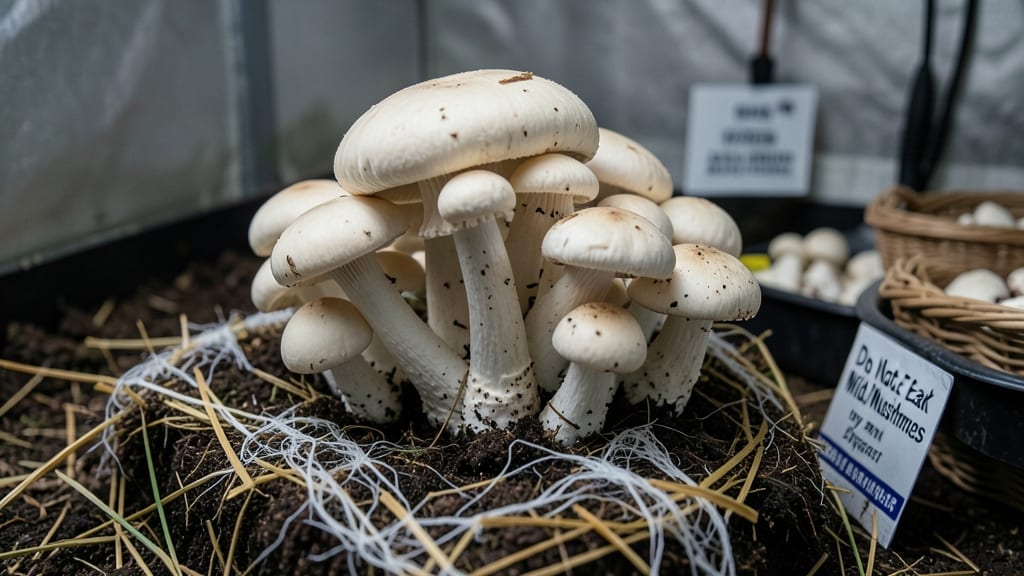
💥 Quick Answer Garden mushrooms are not poisonous when grown properly, but improper cultivation or contamination can produce toxic compounds. Always source from reputable suppliers and follow safe growing practices to…
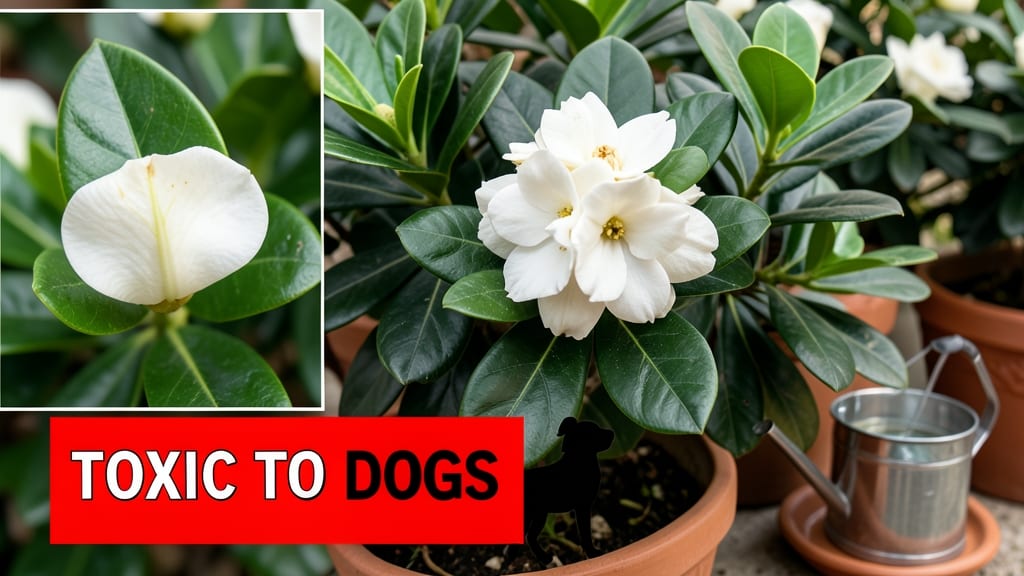
💥 Quick Answer Gardenia plants are poisonous to dogs, containing toxic compounds like saponins and essential oils that can cause vomiting, diarrhea, and lethargy if ingested. Symptoms may appear within hours and require…
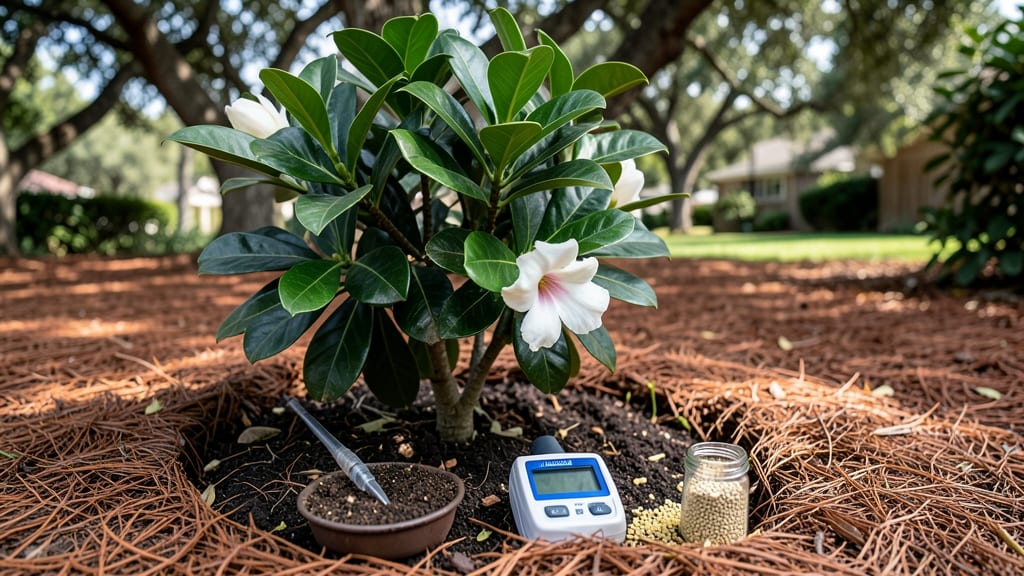
💥 Quick Answer Gardenias are acid-loving plants that thrive best in soil with a pH range of 5.0 to 6.5, replicating their native tropical environments. For optimal growth, mix peat moss, pine bark, and sand to keep the…