I’ve always had a soft spot for the quiet magic of a thriving garden—whether it’s the first green shoot breaking through soil in spring or the way a well-tended tomato plant can feed a whole neighborhood. My family’s backyard in Ohio was my first classroom, where my dad taught me that gardening isn’t just about growing plants; it’s about patience, trial, and the small joys of watching something you nurtured come to life. This site is where I share the lessons I’ve learned, the tricks that actually work, and the stories behind the plants that make our green spaces so special.
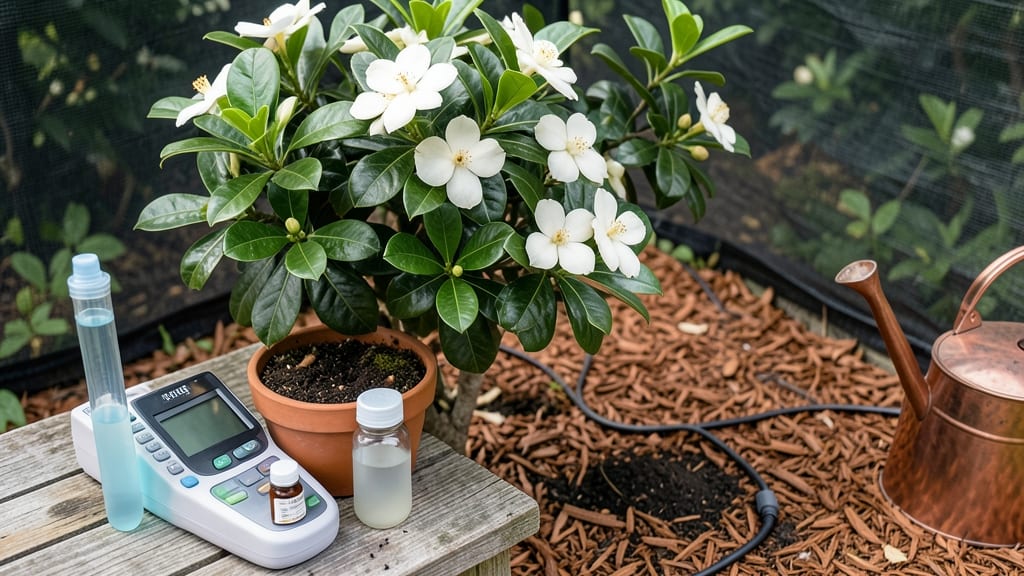
💥 Quick Answer Gardenias are hard to grow for beginners because they demand precise conditions—acidic soil, steady moisture, and filtered sunlight—but they reward patient gardeners with fragrant blooms in ideal climates…
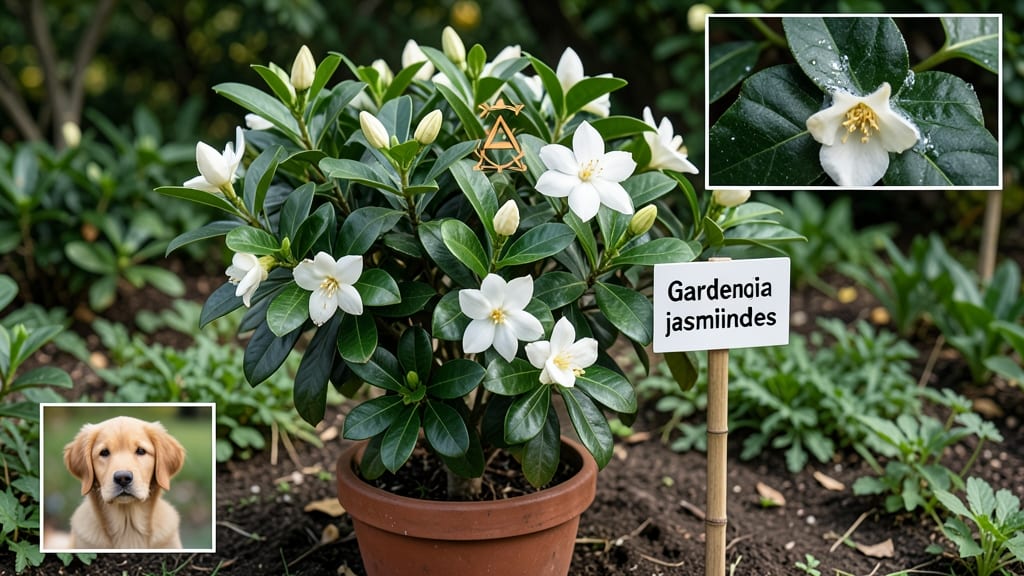
💥 Quick Answer Gardenias are poisonous to pets and humans, containing toxic compounds like saponins and cyanogenic glycosides that can cause vomiting, diarrhea, and skin irritation upon ingestion or contact. Keep them…
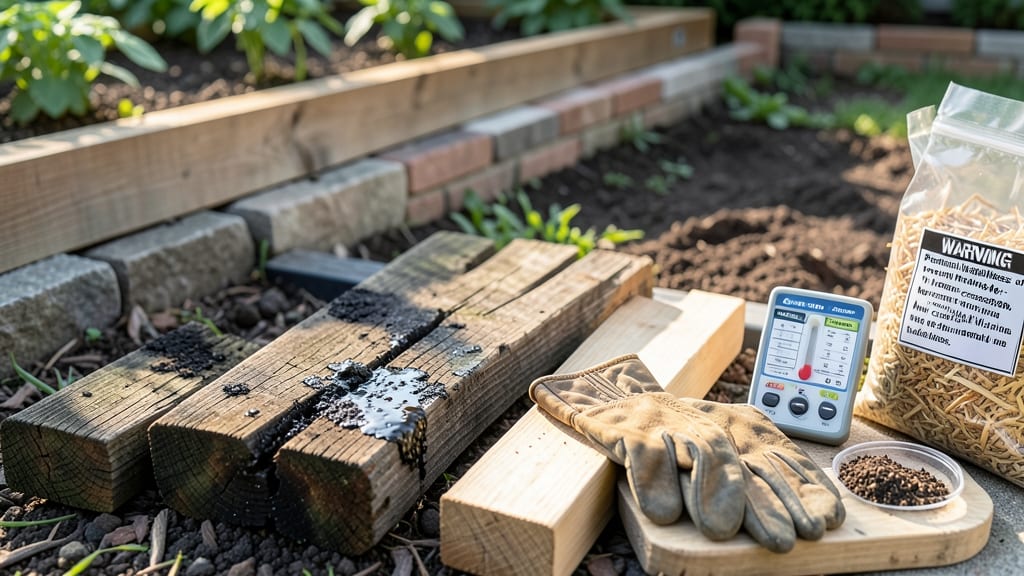
💥 Quick Answer Railroad ties are generally not safe for gardens because their creosote and pesticide treatments leach into soil, damaging plant roots and creating health hazards. Choose untreated wood, composite…
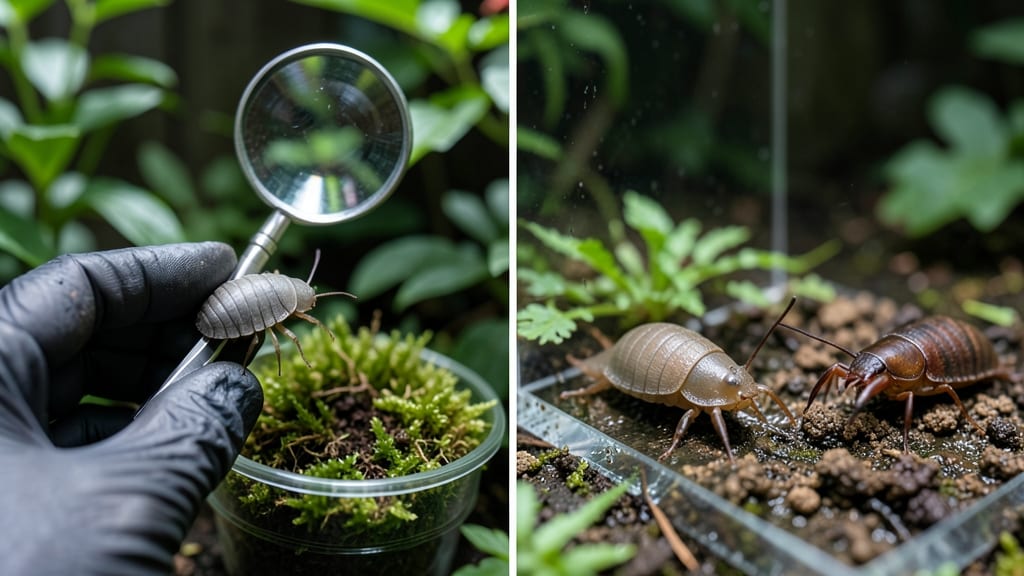
💥 Quick Answer Roly polys (pill bugs) are not bad for gardens—they decompose organic matter, aerate soil, and break down decaying plant material, acting as natural recyclers that improve soil health and deter pests by…
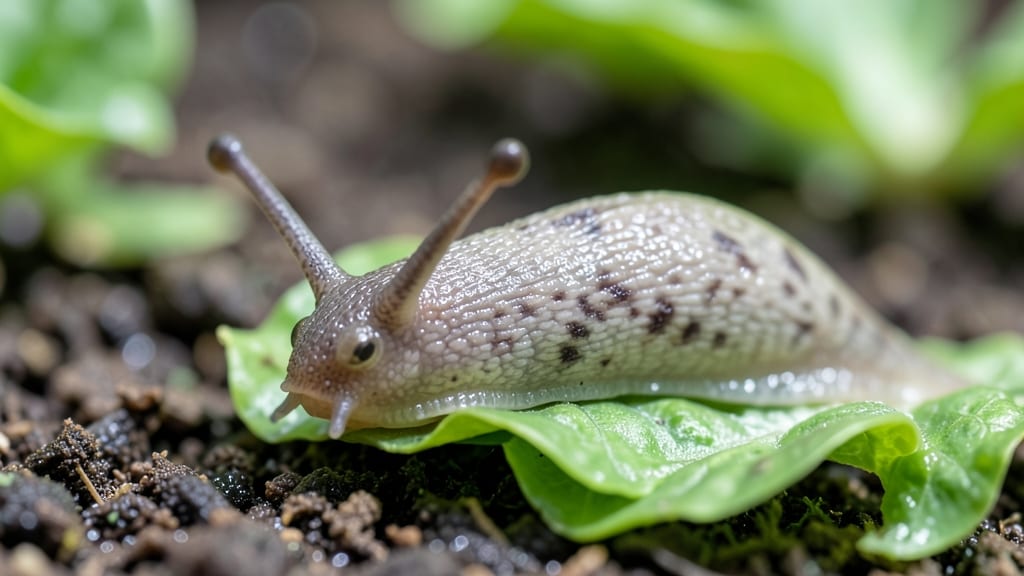
💥 Quick Answer Slugs are bad for gardens because they devour leaves, stems, and flowers, leaving behind ragged holes and stunted plant growth, especially targeting young seedlings and tender foliage like lettuce and…
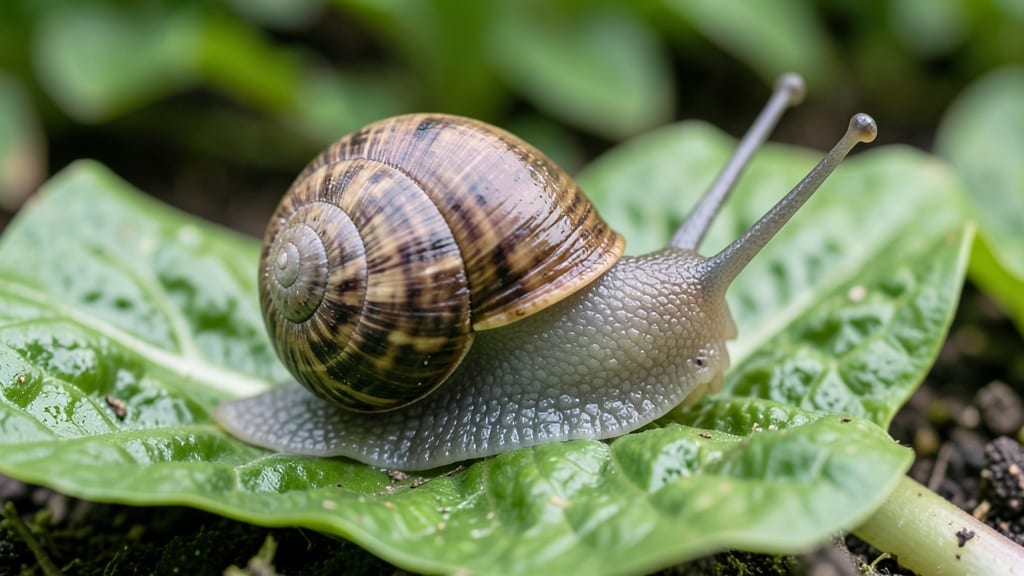
💥 Quick Answer Are snails beneficial to gardens? Yes, as natural decomposers that break down organic matter, aerate soil, and serve as food for wildlife, though they also damage plants by feeding on leaves and…
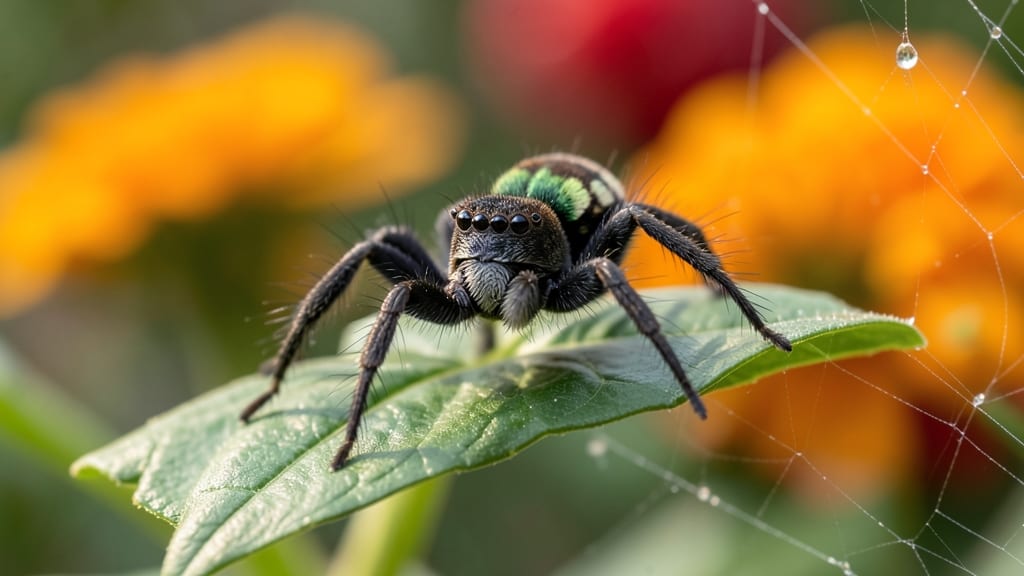
💥 Quick Answer Spiders are beneficial in the garden because they act as natural pest controllers, hunting and consuming harmful insects like aphids, caterpillars, and mites that can devastate plants without requiring…
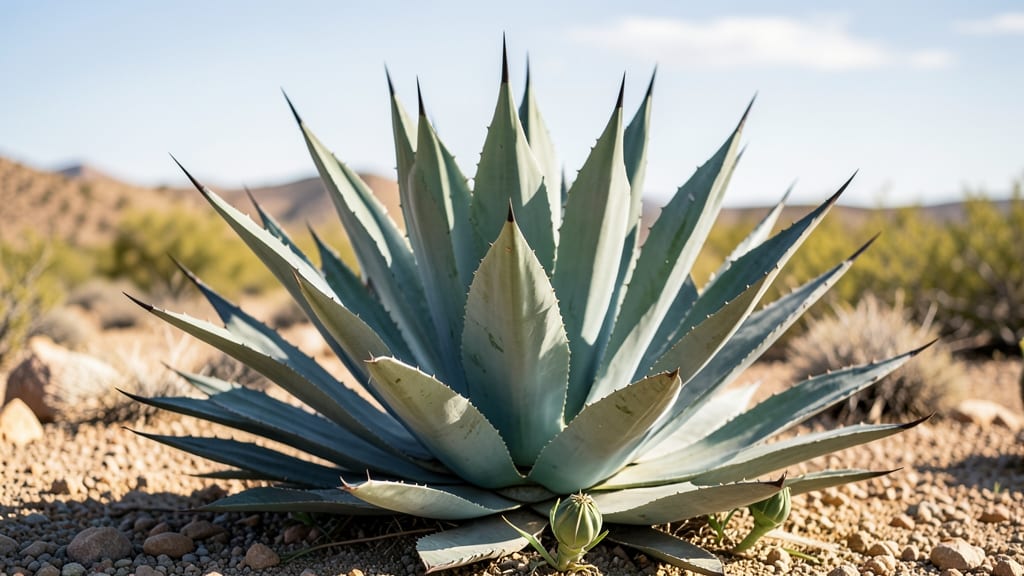
💥 Quick Answer Arizona’s gardening zones span USDA Hardiness Zones 5b to 11b, with frost-free periods and planting windows varying dramatically by elevation and desert microclimates—cool highlands like Flagstaff (Zone…
💥 Quick Answer To grow a garden against an ascended fence, use vertical planters, tiered shelves, or raised beds to maximize space while ensuring proper drainage and sunlight access for plants like herbs, lettuce, and…
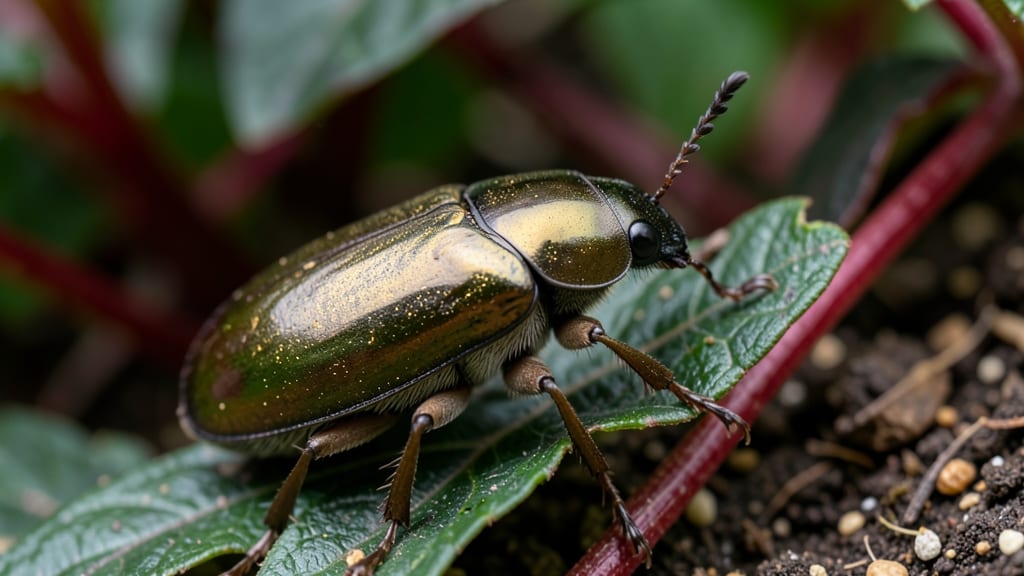
The Asiatic garden beetle 🐞 is a sneaky, root-munching pest that can turn your lush lawn or prized vegetable patch into a patchy, struggling mess before you even notice. If your garden’s roots are being silently…