I’ve always had a soft spot for the quiet magic of a thriving garden—whether it’s the first green shoot breaking through soil in spring or the way a well-tended tomato plant can feed a whole neighborhood. My family’s backyard in Ohio was my first classroom, where my dad taught me that gardening isn’t just about growing plants; it’s about patience, trial, and the small joys of watching something you nurtured come to life. This site is where I share the lessons I’ve learned, the tricks that actually work, and the stories behind the plants that make our green spaces so special.
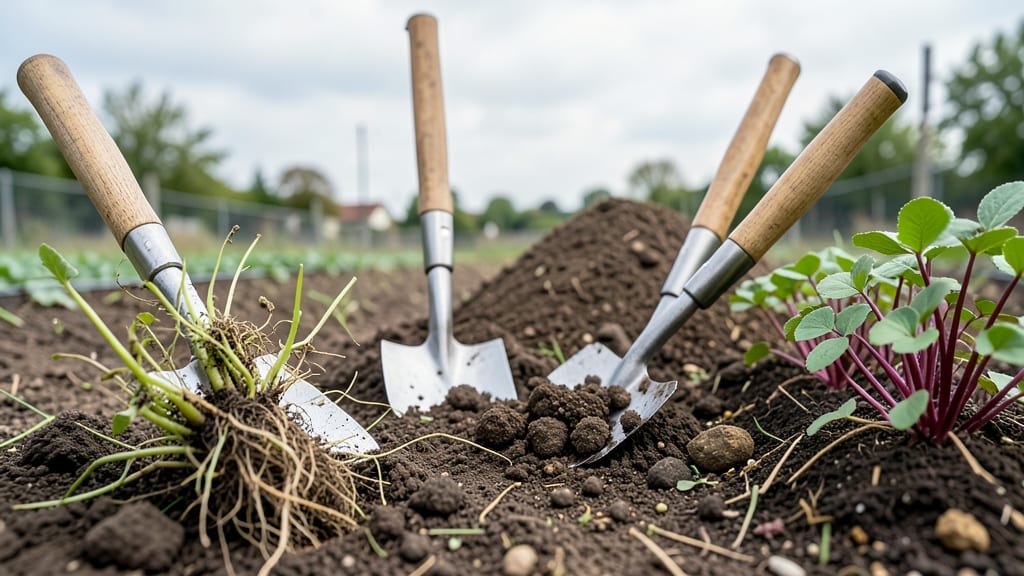
💥 Quick Answer A garden hoe has surprisingly diverse uses beyond weeding, including cultivating soil, breaking up hard ground, and managing weeds, while also chopping mulch, leveling garden beds, and harvesting root…
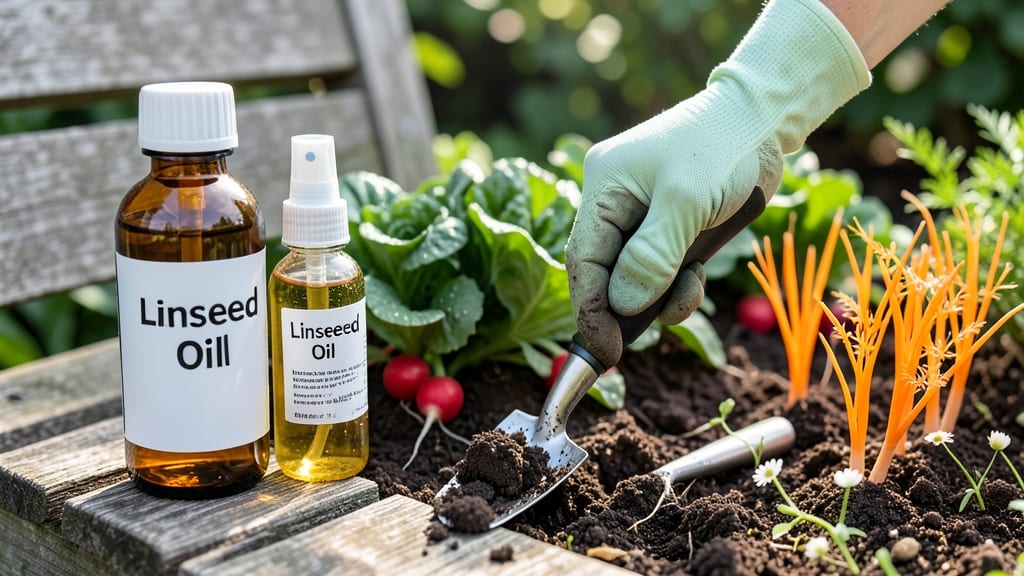
💥 Quick Answer Linseed oil is safe for garden beds when using cold-pressed varieties, as it breaks down naturally and enriches soil with omega-3 fatty acids. Refined, bleached, and deodorized (RBD) linseed oil may…
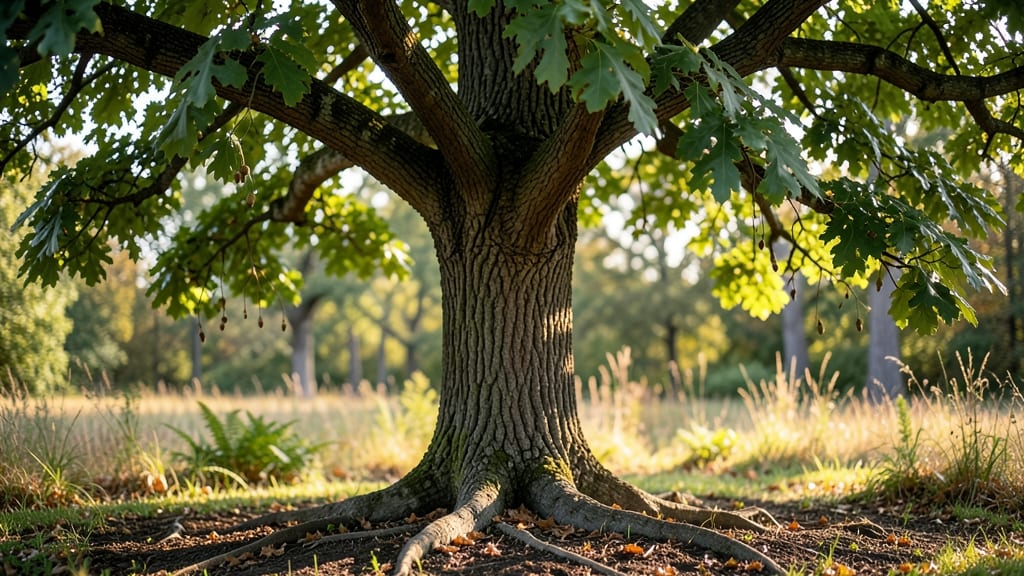
💥 Quick Answer A tomato thrives in a garden as a tree sustains a forest, providing structure, biodiversity, and ecological support through shade, habitat, and nutrient cycling for surrounding plant and animal life. A…
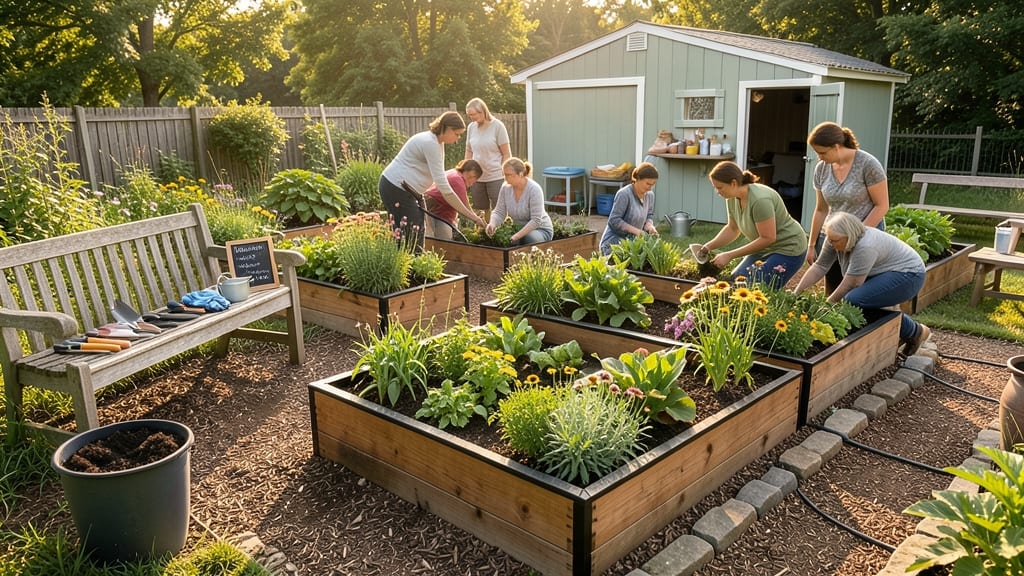
💥 Quick Answer To start a community garden in Salt Lake City, connect with local organizations like Salt Lake City Community Gardens or Utah State University Extension for plot availability, obtain necessary city…
💥 Quick Answer Zone 10 gardening lets you plant almost any crop year-round in frost-free areas like Southern California and Florida, with key timing for warm-season vegetables in spring and fall while summer heat…
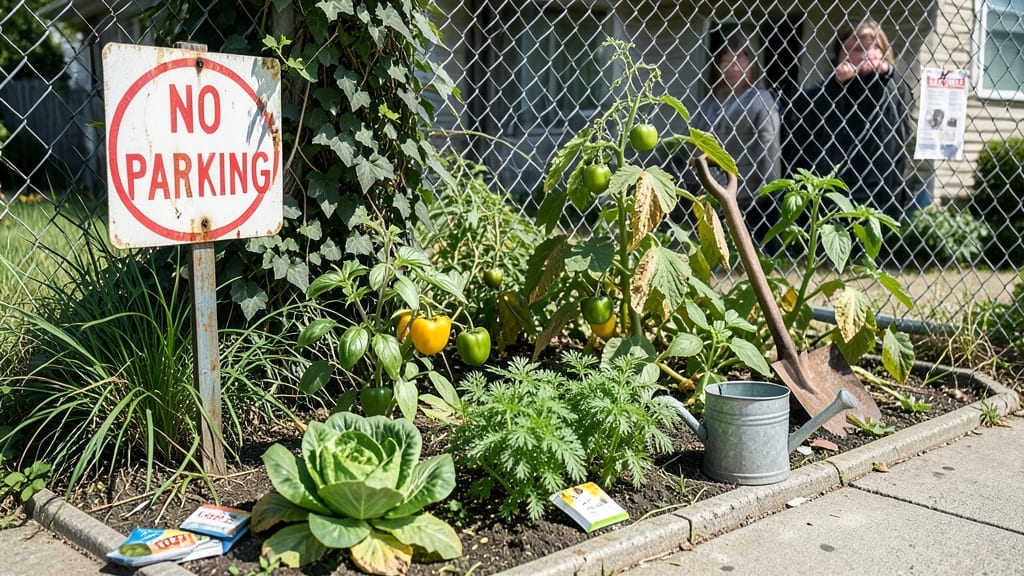
💥 Quick Answer An illegal front yard vegetable garden violates most local zoning laws unless classified as ornamental or accessory, but some states permit them through agricultural exemptions or HOA approvals. Always…
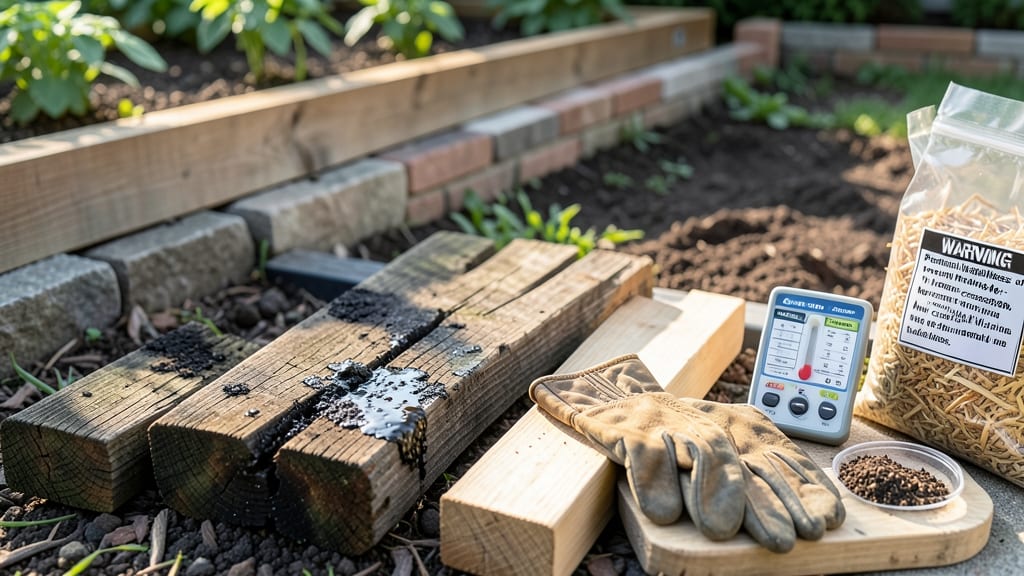
💥 Quick Answer Railroad ties are generally not safe for gardens because their creosote and pesticide treatments leach into soil, damaging plant roots and creating health hazards. Choose untreated wood, composite…
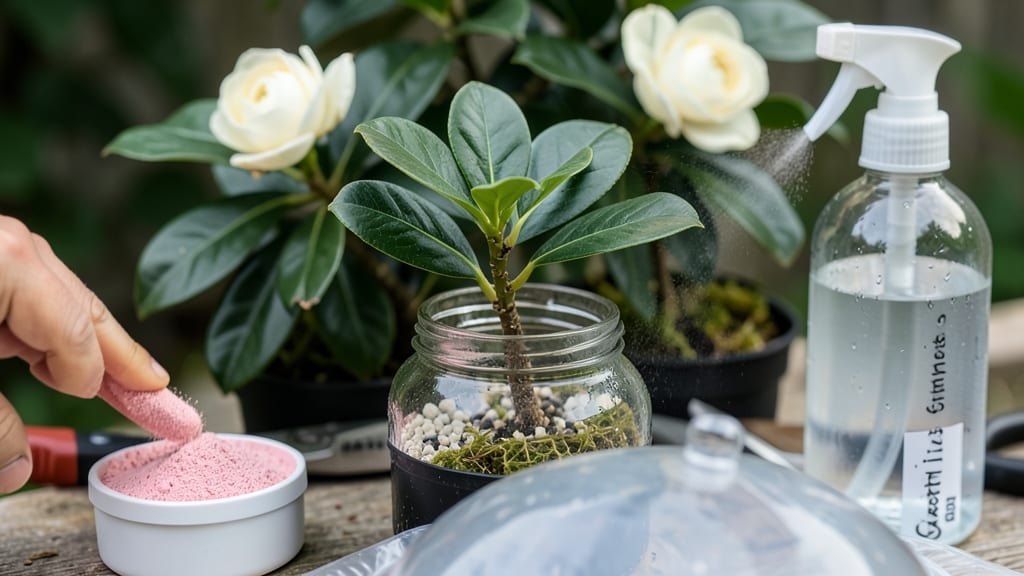
💥 Quick Answer Growing gardenia from cuttings requires semi-hardwood stems, rooting hormone, and a humid environment to achieve a 60-80% success rate. Roots typically form in 4-8 weeks with proper care and warmth…
💥 Quick Answer The University of California Riverside Botanic Gardens houses over 3,000 plant species across 15 specialized collections, including rare cacti, native California flora, and global desert ecosystems. Its…