I’ve always had a soft spot for the quiet magic of a thriving garden—whether it’s the first green shoot breaking through soil in spring or the way a well-tended tomato plant can feed a whole neighborhood. My family’s backyard in Ohio was my first classroom, where my dad taught me that gardening isn’t just about growing plants; it’s about patience, trial, and the small joys of watching something you nurtured come to life. This site is where I share the lessons I’ve learned, the tricks that actually work, and the stories behind the plants that make our green spaces so special.
💥 Quick Answer Planning a community garden startup budget and operating costs feasibility study reveals initial investments typically range from $5,000–$25,000+ , with annual expenses averaging $3,000–$15,000 . Success…
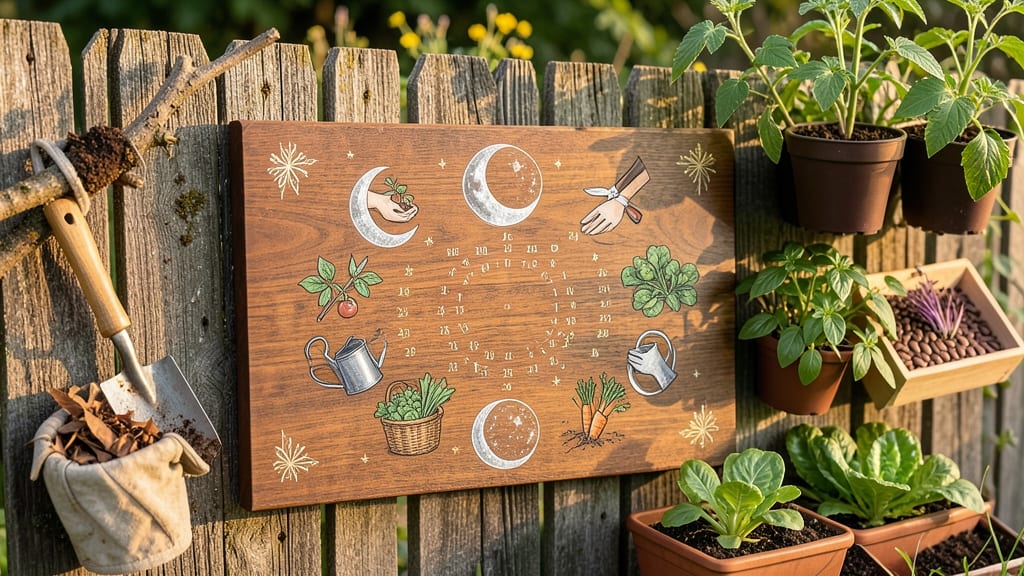
💥 Quick Answer A lunar calendar for gardening aligns planting and harvesting with moon phases to optimize plant growth, root development, and soil fertility by leveraging gravitational and lunar energy cycles for better…
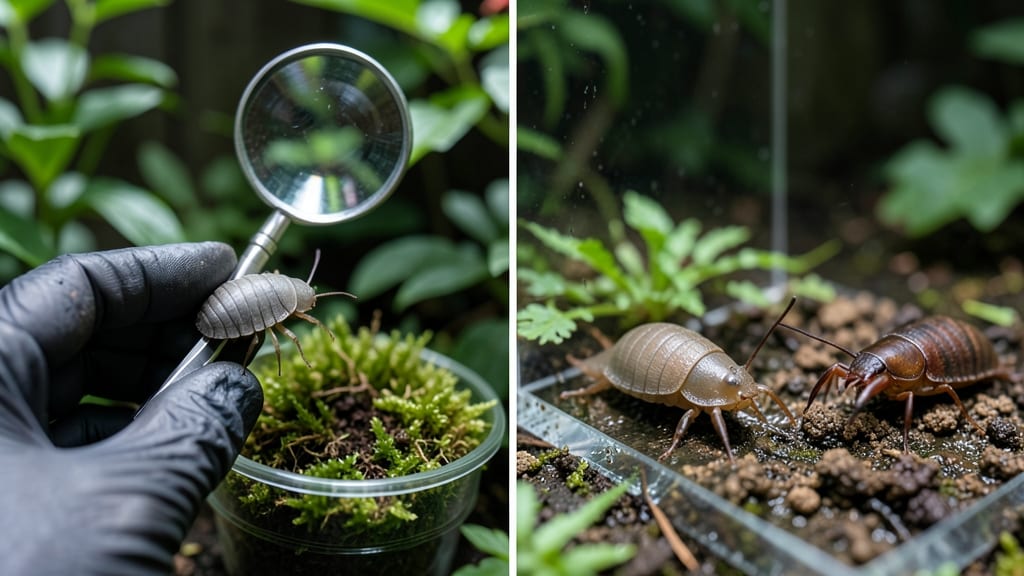
💥 Quick Answer Roly polys (pill bugs) are not bad for gardens—they decompose organic matter, aerate soil, and break down decaying plant material, acting as natural recyclers that improve soil health and deter pests by…
💥 Quick Answer Using lawn clippings in garden boosts soil health by returning nitrogen-rich organic matter, blocks weeds by smothering sunlight, and retains moisture when used as mulch. Always mow high and let clippings…
💥 Quick Answer Gardening inspiration quotes inspire passion for growing life, showing how each planted seed carries potential for beauty and strength through challenges. They weave together wisdom, patience, and joy to…
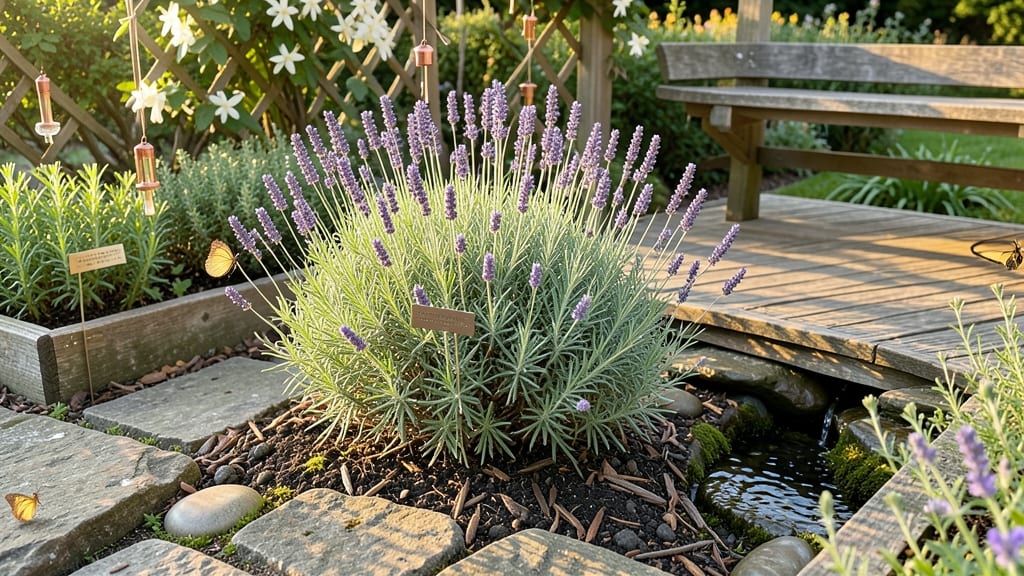
💥 Quick Answer A sensory garden is a purposefully crafted outdoor space designed to engage all five senses—sight, touch, smell, sound, and even taste—through intentional plant selection, textures, and interactive…
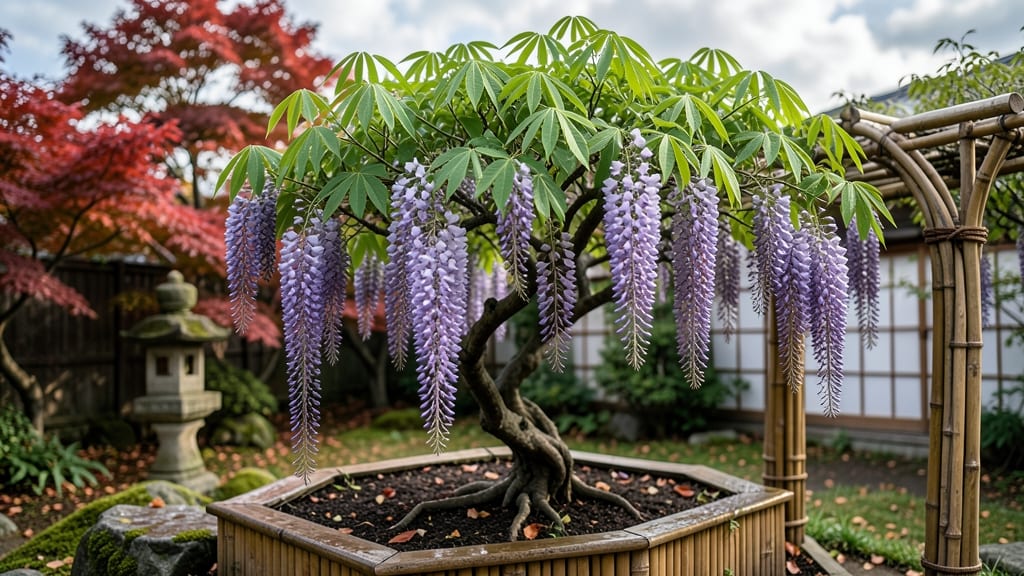
💥 Quick Answer Wisteria in Japanese gardens represents elegance and endurance, commonly cultivated as decorative trellises or sprawling ground covers that burst into fragrant purple blooms each spring. Late-winter…
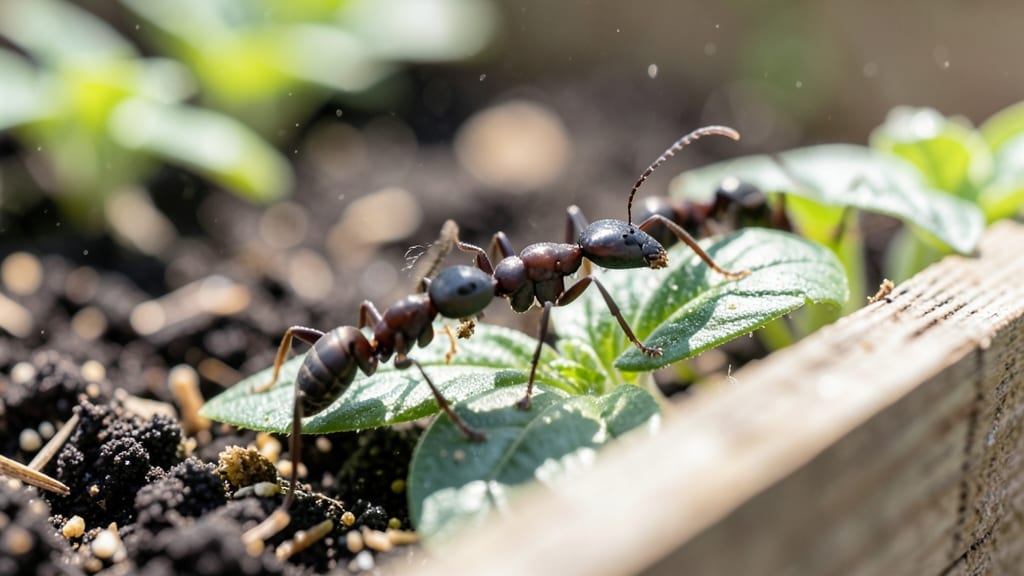
💥 Quick Answer Ants in raised garden beds appear because they seek food, moisture, and nesting spaces, though they don't typically damage plants. Try organic solutions like diatomaceous earth, vinegar sprays, or citrus…
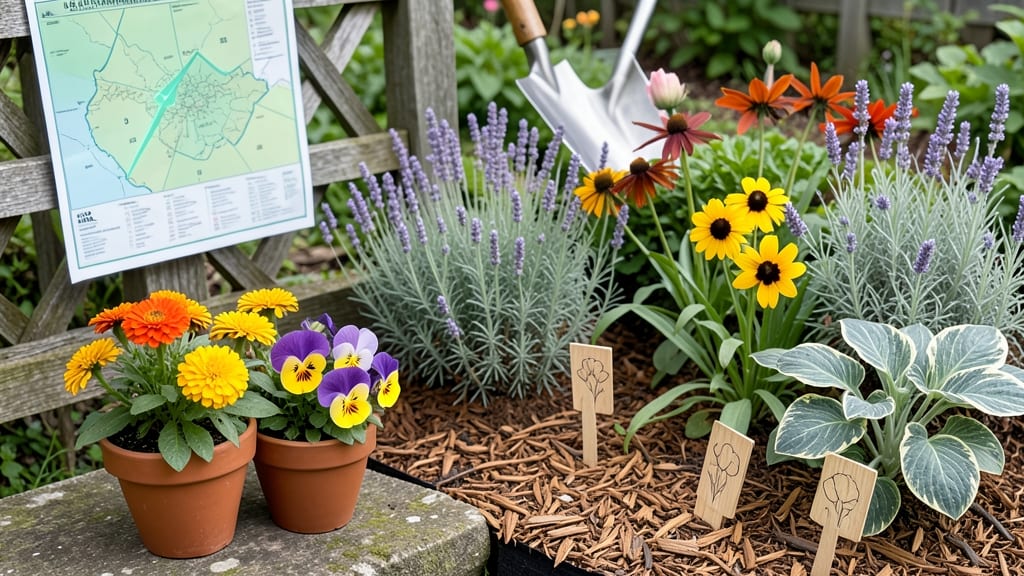
💥 Quick Answer Gardening zones 3 to 8 span from the deepest freeze of northern climates to the mild winters of southern regions, helping you select plants that survive your area's coldest temperatures. Zone 3 plants…
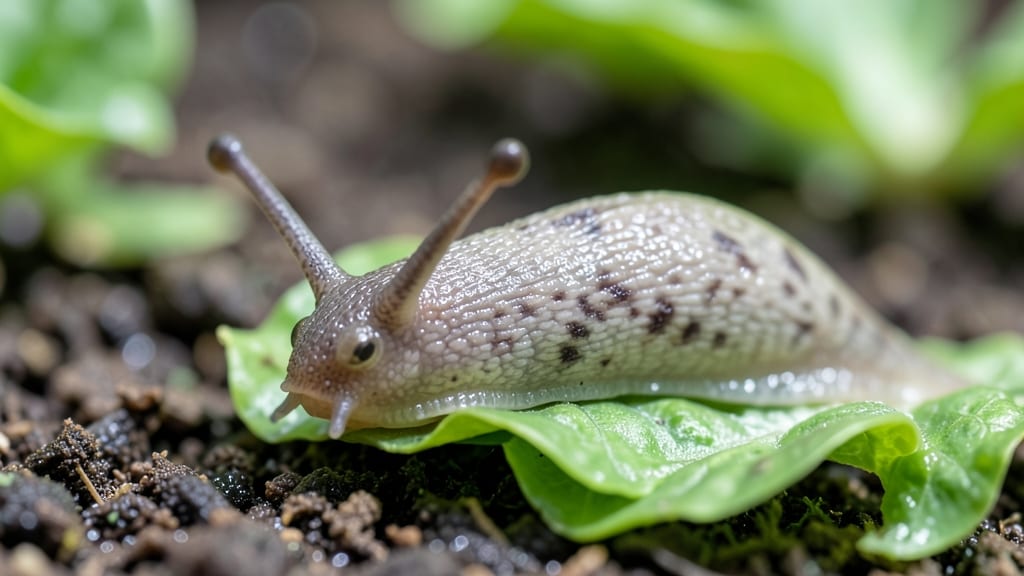
💥 Quick Answer Slugs are bad for gardens because they devour leaves, stems, and flowers, leaving behind ragged holes and stunted plant growth, especially targeting young seedlings and tender foliage like lettuce and…