I’ve always had a soft spot for the quiet magic of a thriving garden—whether it’s the first green shoot breaking through soil in spring or the way a well-tended tomato plant can feed a whole neighborhood. My family’s backyard in Ohio was my first classroom, where my dad taught me that gardening isn’t just about growing plants; it’s about patience, trial, and the small joys of watching something you nurtured come to life. This site is where I share the lessons I’ve learned, the tricks that actually work, and the stories behind the plants that make our green spaces so special.
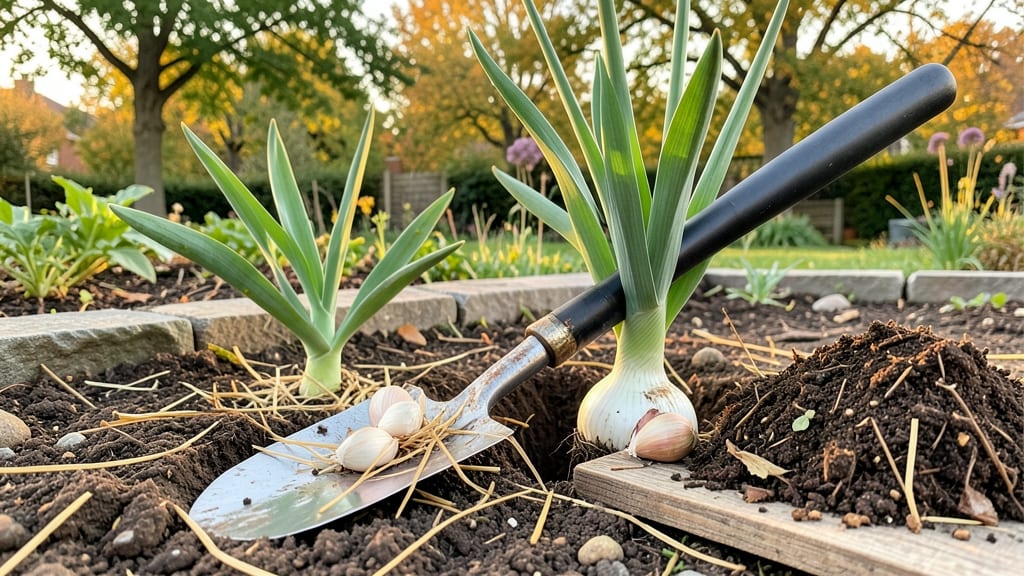
💥 Quick Answer To plant garlic in your garden, select a sunny spot with well-draining soil—preferably in raised beds or mounds to prevent waterlogging. Aim for at least 6 hours of sunlight daily and space cloves 4-6…
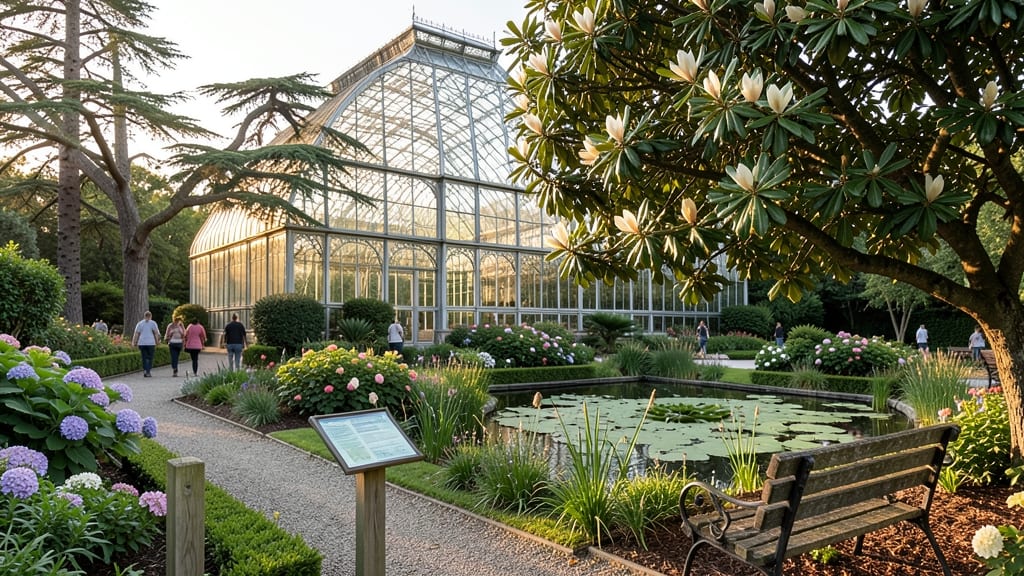
💥 Quick Answer The largest botanical garden in the US is the New York Botanical Garden (NYBG) in the Bronx, spanning 250 acres with over 1 million living plants across 50+ themed gardens, including rare orchids…
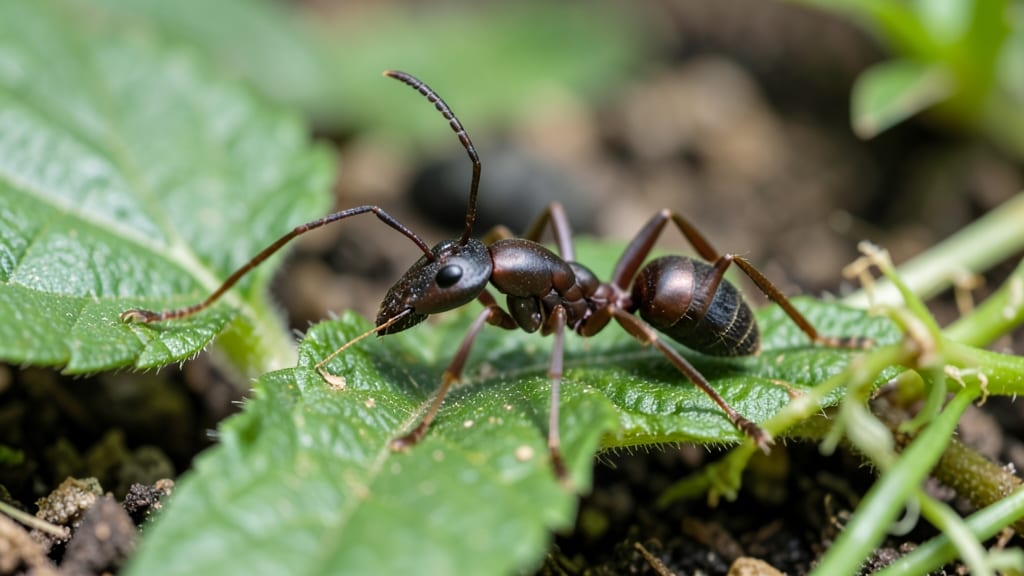
💥 Quick Answer Are ants good for gardens? Yes, because they aerate soil by tunneling, break down organic matter into nutrient-rich compost, and distribute seeds while controlling pests like aphids and termites—though…
💥 Quick Answer The AHS Garden Network offers free planting zone maps and deadline calculators that help you determine the ideal times to plant flowers, vegetables, and shrubs based on your local frost dates and…
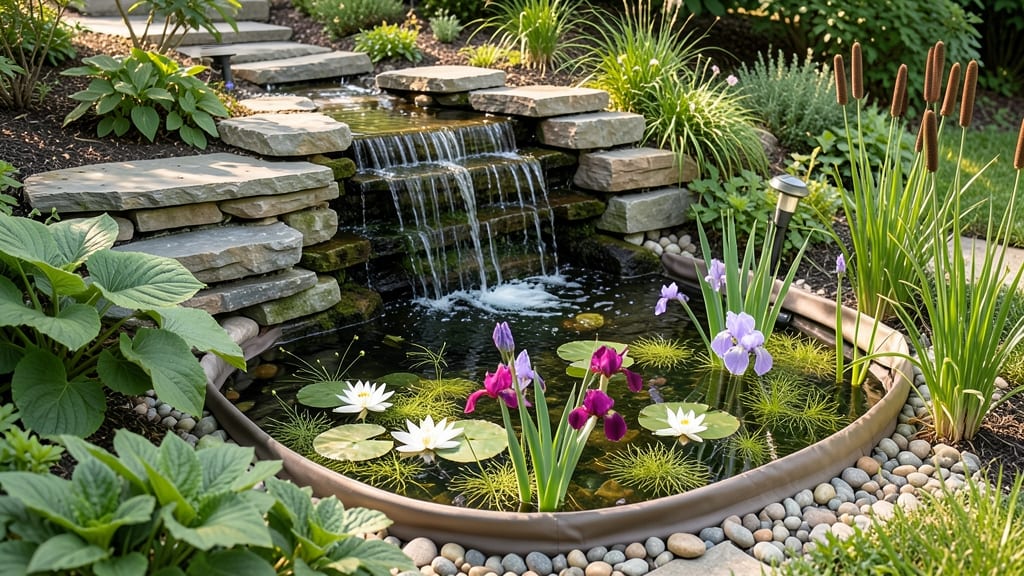
💥 Quick Answer Creating a garden pond waterfall involves designing a gradual incline with a waterproof liner and pump system to maintain continuous flow. Begin with a shallow planting shelf, then carefully stack rocks…
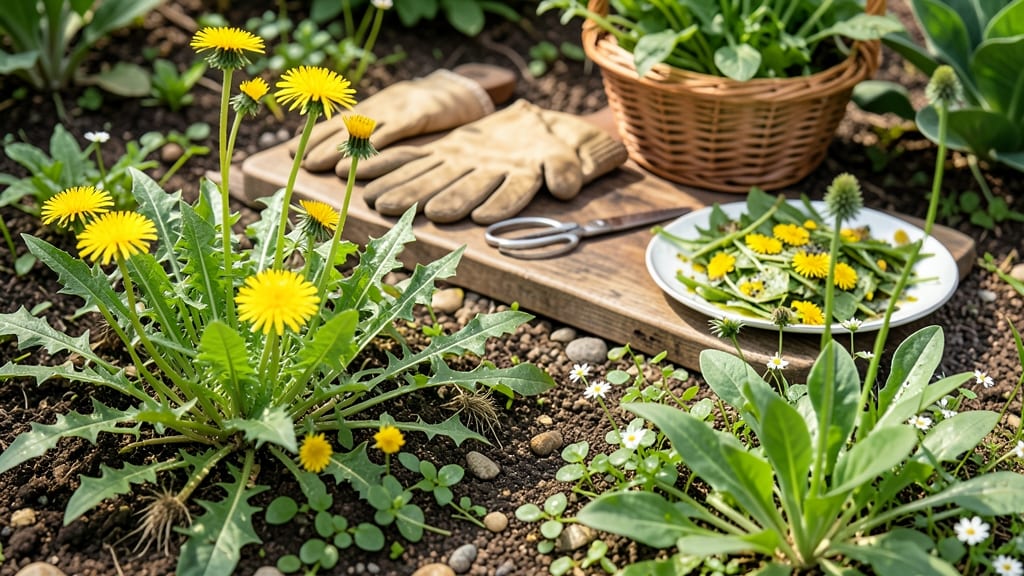
💥 Quick Answer To eat weeds from your garden safely, focus on broad-leaved varieties like dandelion greens or purslane, while avoiding toxic lookalikes such as poison ivy or foxglove. Always cross-reference with a field…
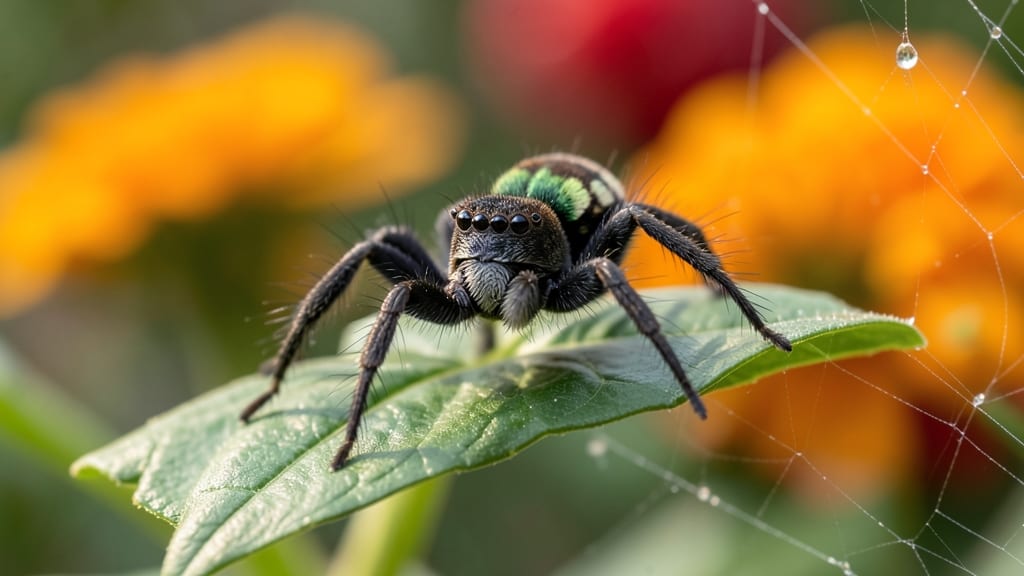
💥 Quick Answer Spiders are beneficial in the garden because they act as natural pest controllers, hunting and consuming harmful insects like aphids, caterpillars, and mites that can devastate plants without requiring…
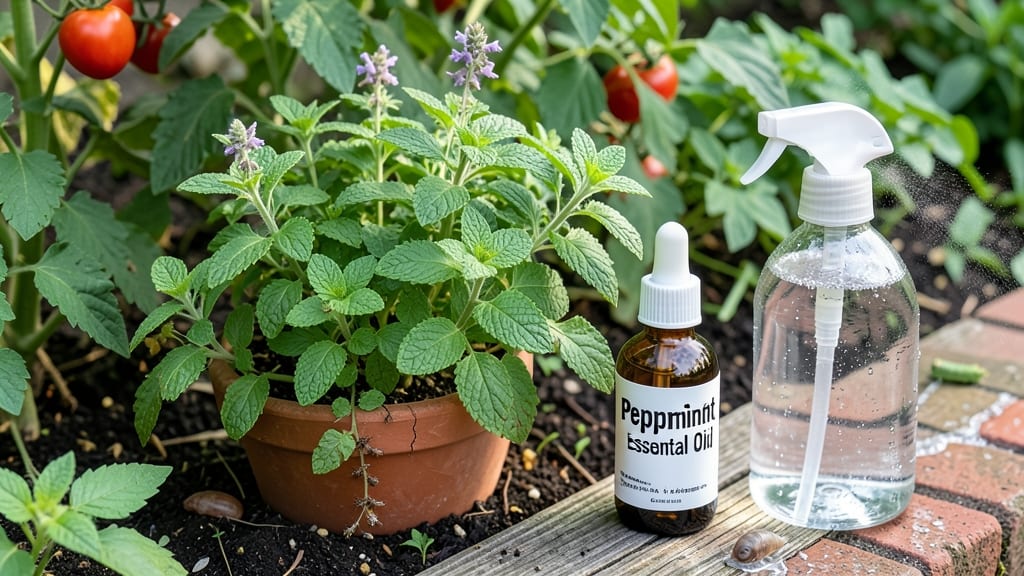
💥 Quick Answer Using peppermint oil for garden pests effectively repels common insects like ants, aphids, and spider mites by overwhelming their sensory systems with menthol, which disrupts their ability to detect plant…
💥 Quick Answer A gardener is someone who cultivates plants, maintains soil health, and tends to outdoor or indoor green spaces to produce flowers, vegetables, or decorative landscapes for aesthetic, nutritional, or…