I’ve always had a soft spot for the quiet magic of a thriving garden—whether it’s the first green shoot breaking through soil in spring or the way a well-tended tomato plant can feed a whole neighborhood. My family’s backyard in Ohio was my first classroom, where my dad taught me that gardening isn’t just about growing plants; it’s about patience, trial, and the small joys of watching something you nurtured come to life. This site is where I share the lessons I’ve learned, the tricks that actually work, and the stories behind the plants that make our green spaces so special.
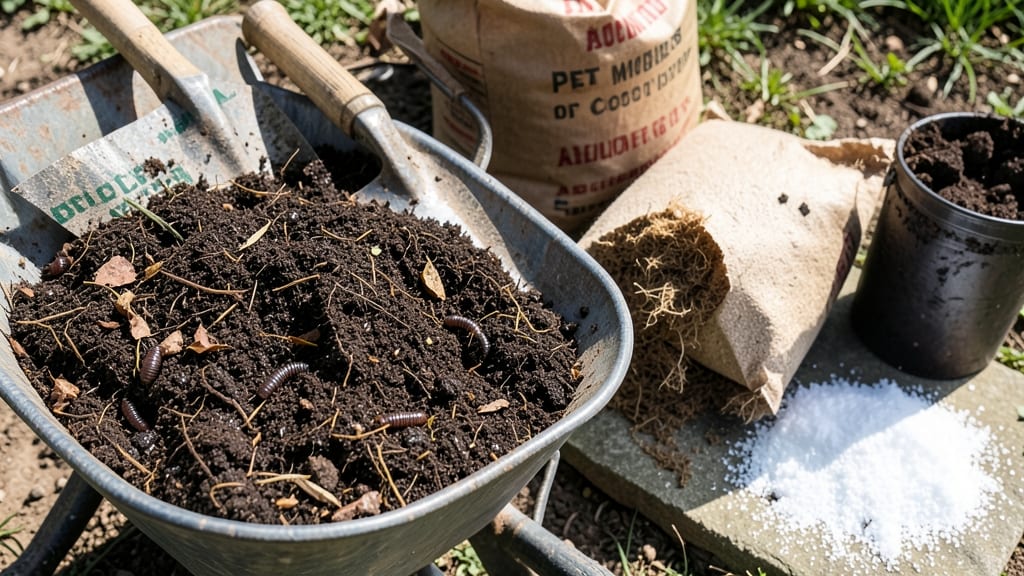
💥 Quick Answer Adding organic matter like compost, well-rotted manure, or leaf mold to clay garden soil breaks up compaction, improves drainage, and creates space for roots to grow while holding moisture. Avoid heavy…
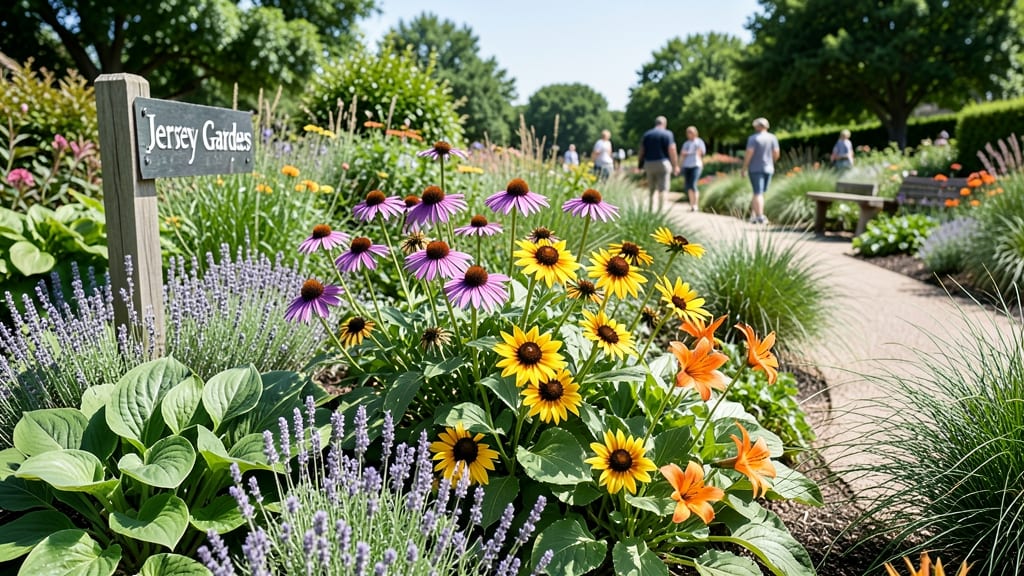
💥 Quick Answer What time does Jersey Gardens open? The garden opens at 9:00 AM daily during spring and summer seasons (March–October), with extended evening hours (until 7:00 PM) on weekends. Winter hours…
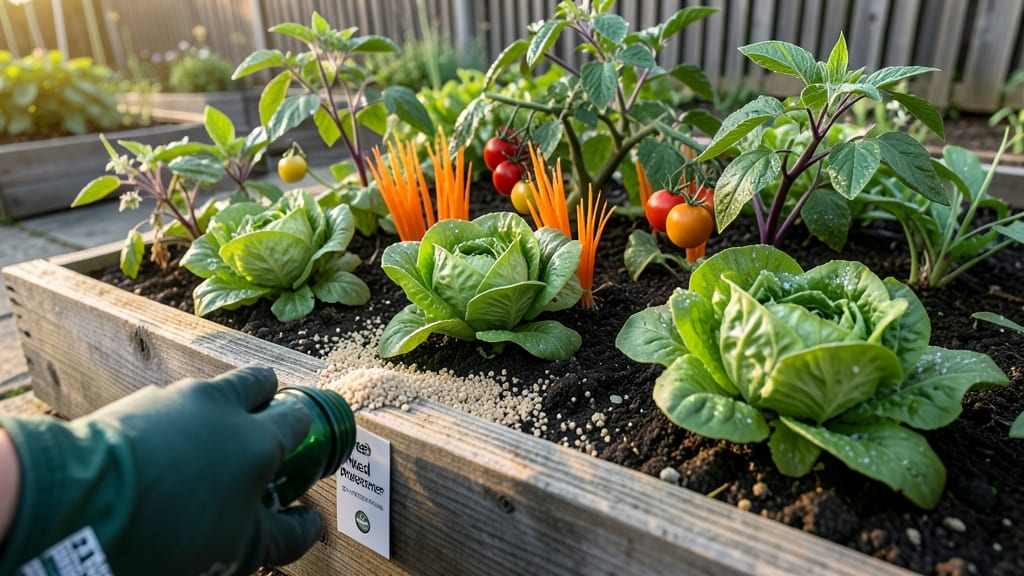
💥 Quick Answer This Preen is safe for vegetable gardens when following label instructions, as its primary components like corn gluten meal inhibit weed seeds without damaging edible plants. That said, some versions…
💥 Quick Answer When moles grow in a garden, they tunnel underground to hunt grubs and larvae, damaging plant roots, disrupting soil structure, and creating unsightly mounds while uprooting young seedlings and weakening…
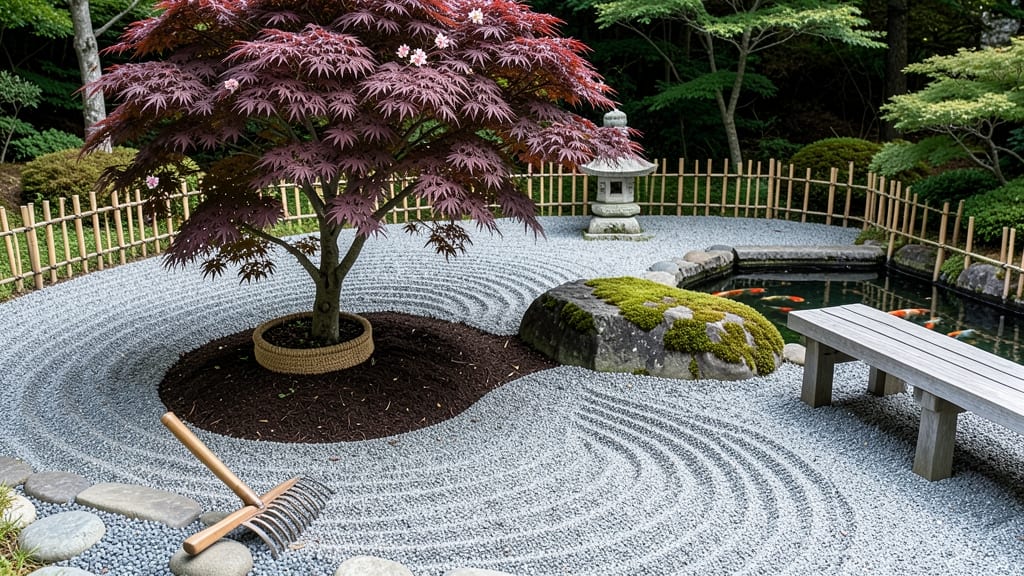
💥 Quick Answer To create a zen garden, blend smooth river rocks, raked gravel patterns, a few carefully chosen plants, and a central focal point like a lantern or small tree. Adding water elements or bamboo screens…
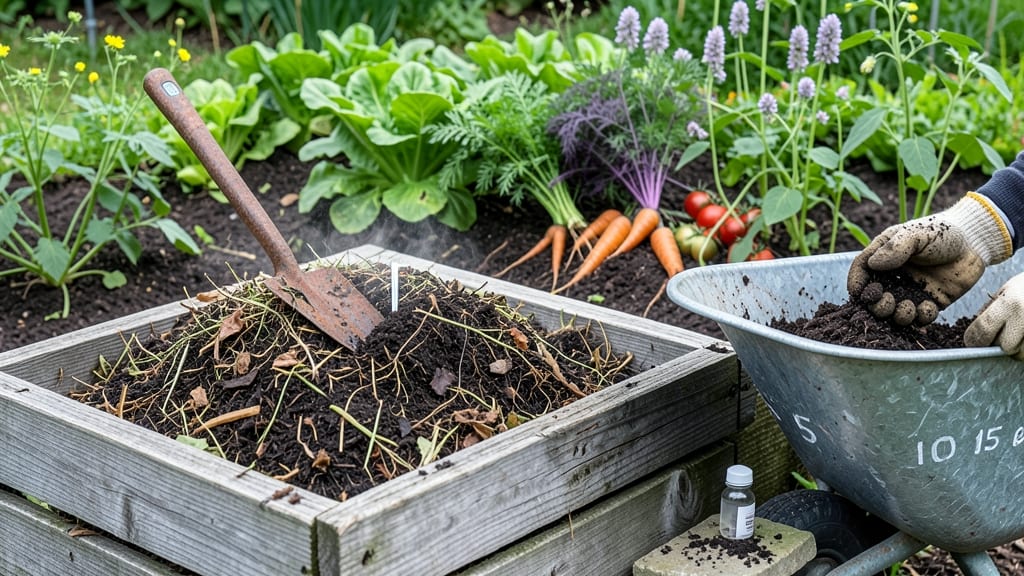
💥 Quick Answer To determine how much compost you need for your garden, calculate 1-3 inches of compost mixed into the top 6-12 inches of soil per square foot, depending on soil quality and plant type. For a 10x10-foot…
💥 Quick Answer What would make you describe a garden as humble is its focus on understated elegance—wildflower meadows that bloom unpredictably, hardy perennials that return year after year with minimal attention, and…
💥 Quick Answer Victory gardens during World War 1 became a nationwide movement where families grew their own vegetables, fruits, and herbs to support food rationing efforts, cutting import dependence by up to 40% and…
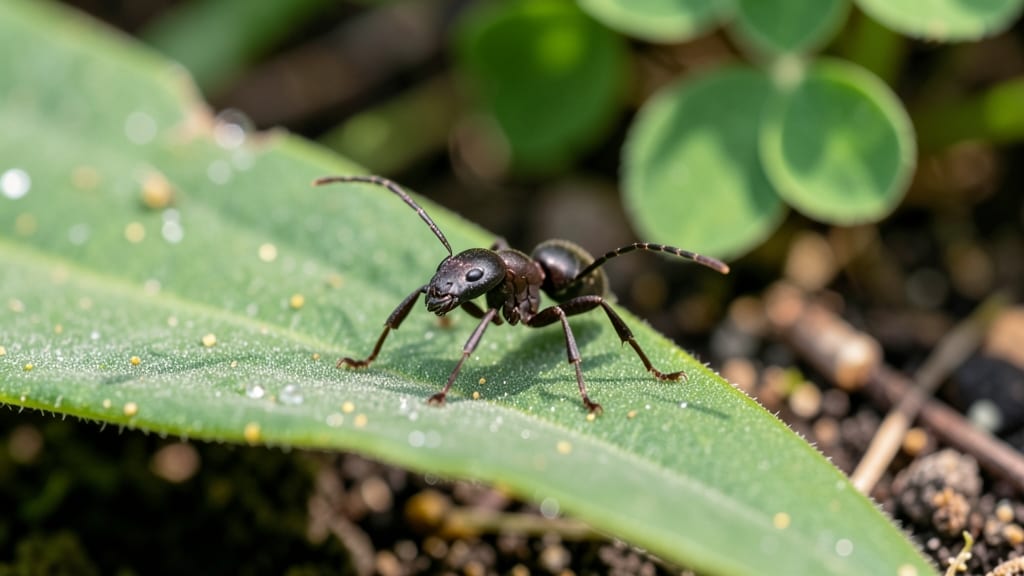
💥 Quick Answer Ants in the garden are generally beneficial as they aerate soil, control pests like aphids, and promote plant health by distributing nutrients through their tunnels, though some species can disrupt plant…
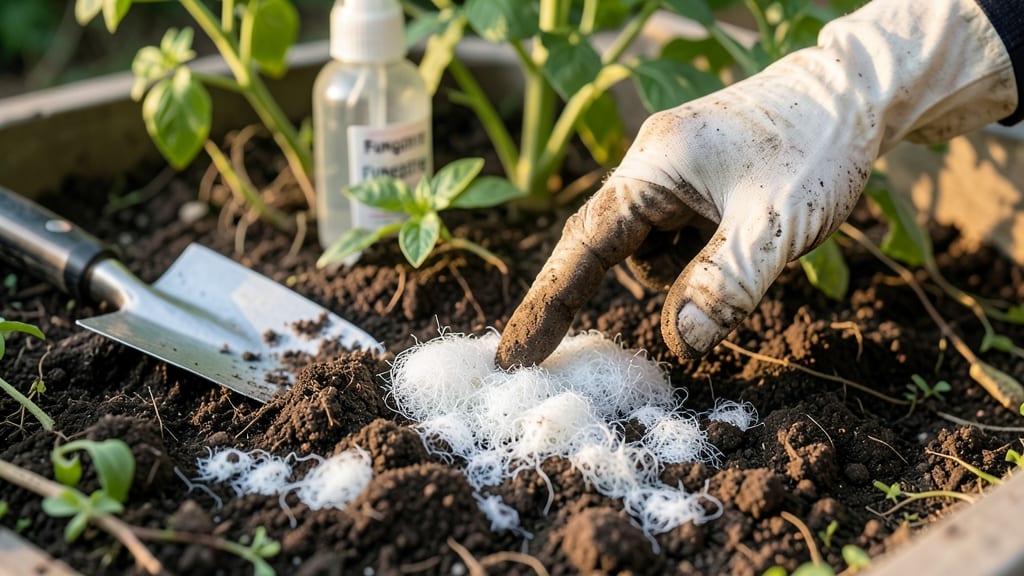
💥 Quick Answer If your garden soil has white fungus, you're likely dealing with powdery mildew, mold, or mycorrhizal fungi. Check the texture—fluffy patches mean mildew, while thread-like strands suggest mycorrhizal…