I’ve always had a soft spot for the quiet magic of a thriving garden—whether it’s the first green shoot breaking through soil in spring or the way a well-tended tomato plant can feed a whole neighborhood. My family’s backyard in Ohio was my first classroom, where my dad taught me that gardening isn’t just about growing plants; it’s about patience, trial, and the small joys of watching something you nurtured come to life. This site is where I share the lessons I’ve learned, the tricks that actually work, and the stories behind the plants that make our green spaces so special.
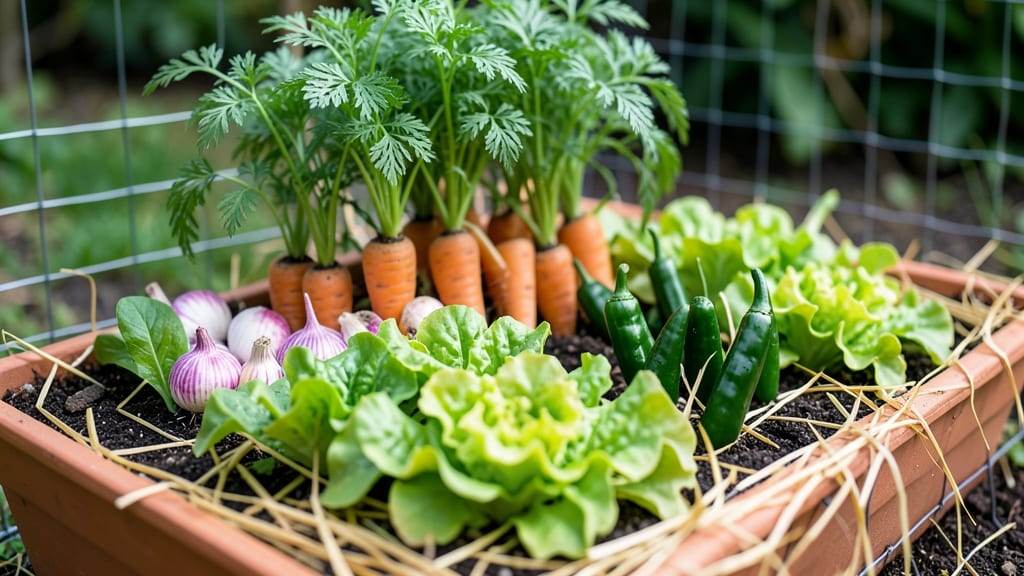
💥 Quick Answer Creating a squirrel-proof garden means using physical barriers like fine mesh fencing (1/4-inch or smaller), hardware cloth wraps, or raised beds with buried edges to stop burrowing. Planting…
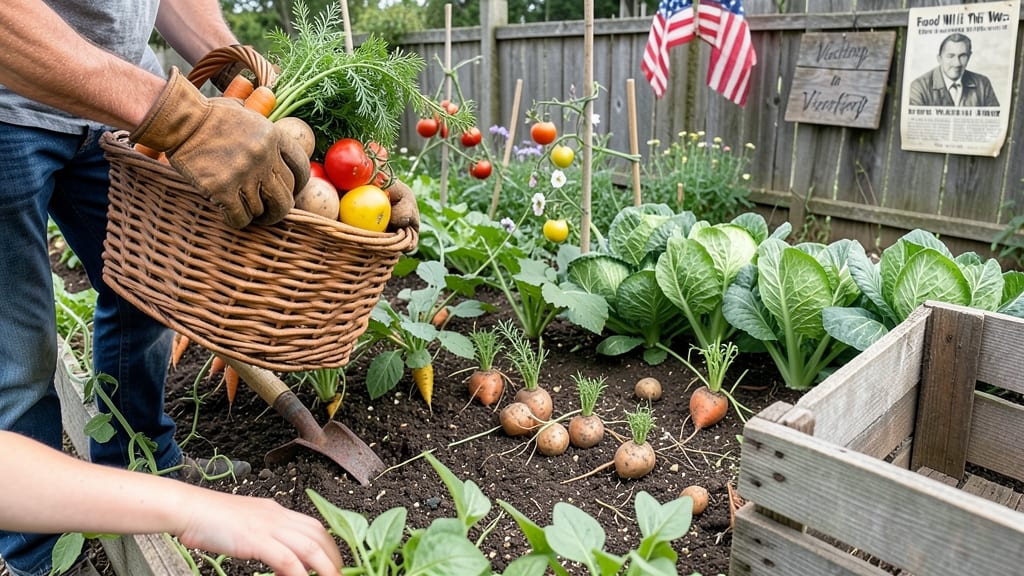
💥 Quick Answer Victory gardens were important during WWII because they boosted food production, reducing reliance on commercial supplies strained by wartime rationing and shipping shortages. These homegrown plots also…
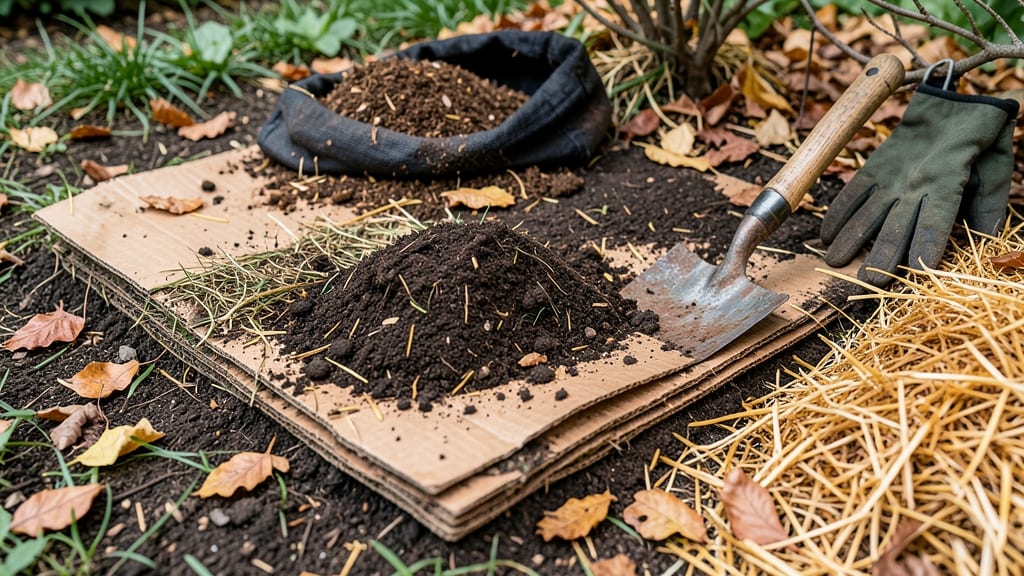
💥 Quick Answer Lasagna gardening is a layered soil-building method that mimics composting in place by alternating organic materials like grass clippings, leaves, and cardboard with nitrogen-rich layers such as manure or…
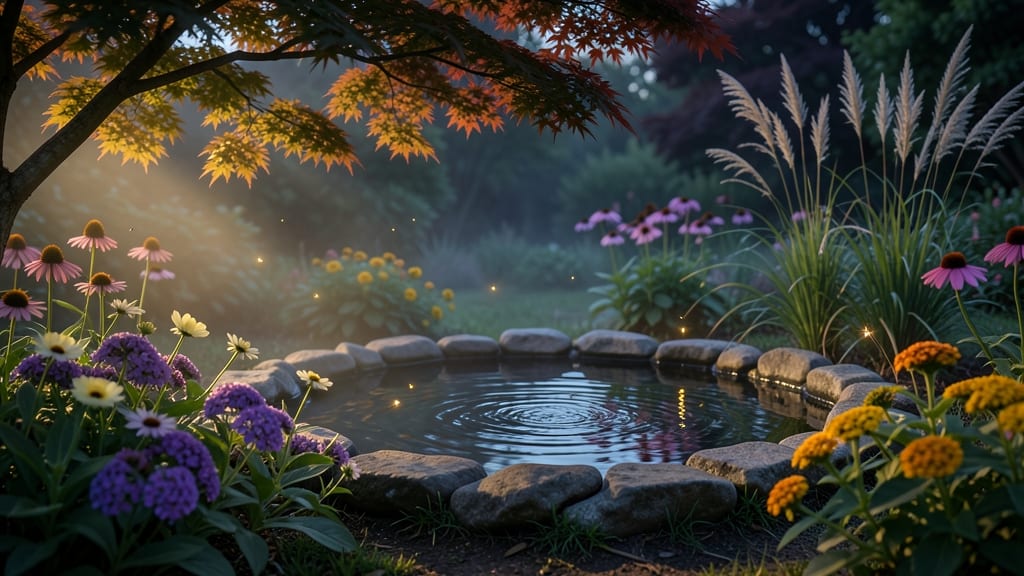
💥 Quick Answer A firefly in your garden thrives when you create a damp, organic-rich environment with minimal chemical pesticides, especially near water sources or shaded spots. Adding native night-blooming plants like…
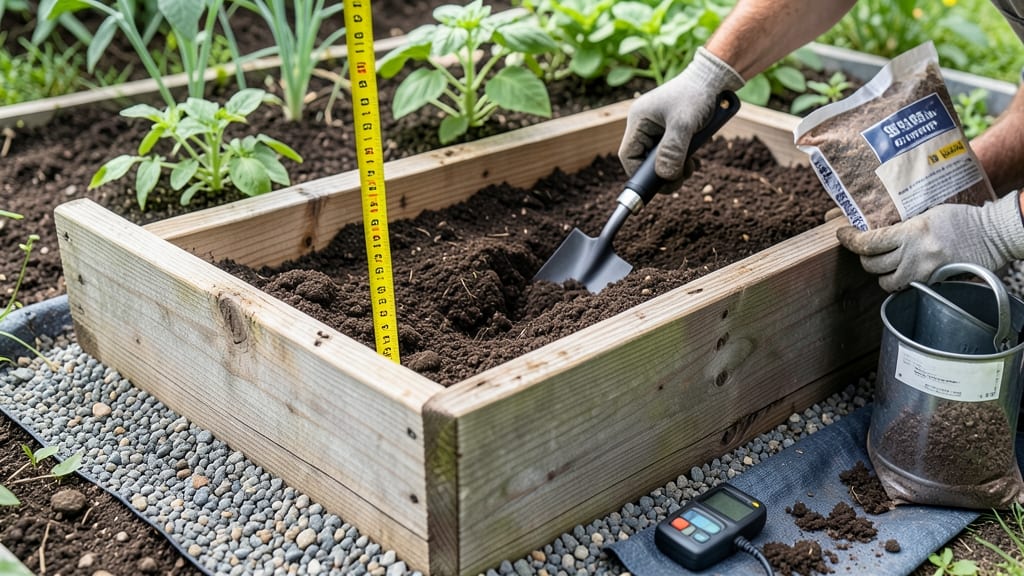
💥 Quick Answer To determine how much soil for a raised garden bed, multiply length × width × depth (in feet) to find cubic feet. A standard 4×8-foot bed with 12-inch soil depth requires 32 cubic feet of soil, while…
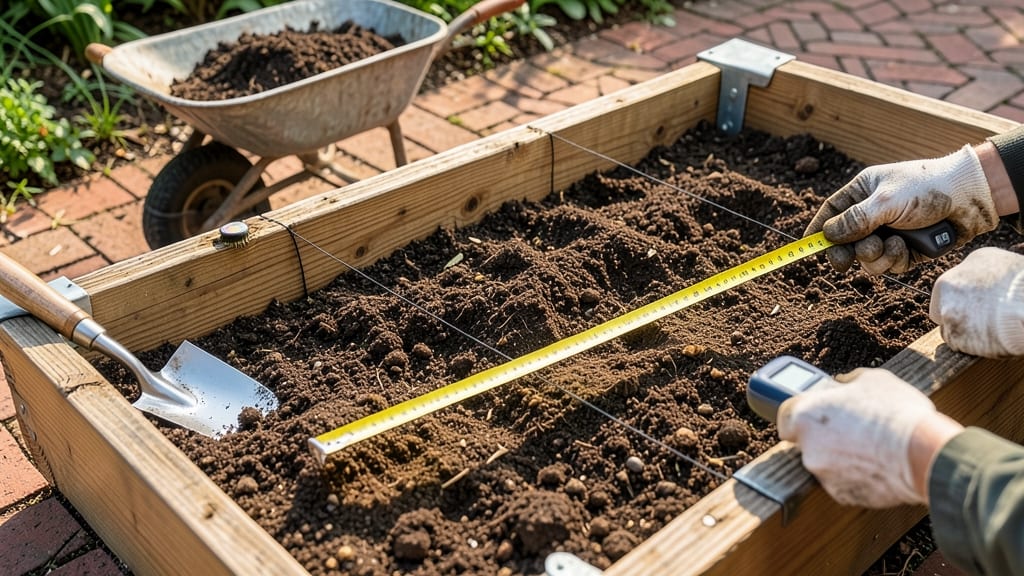
💥 Quick Answer To calculate how much soil for a garden bed, multiply the length by width by depth (in feet), then convert to cubic feet. For instance, a 4×8-foot bed with 12 inches of soil requires 32 cubic feet of…
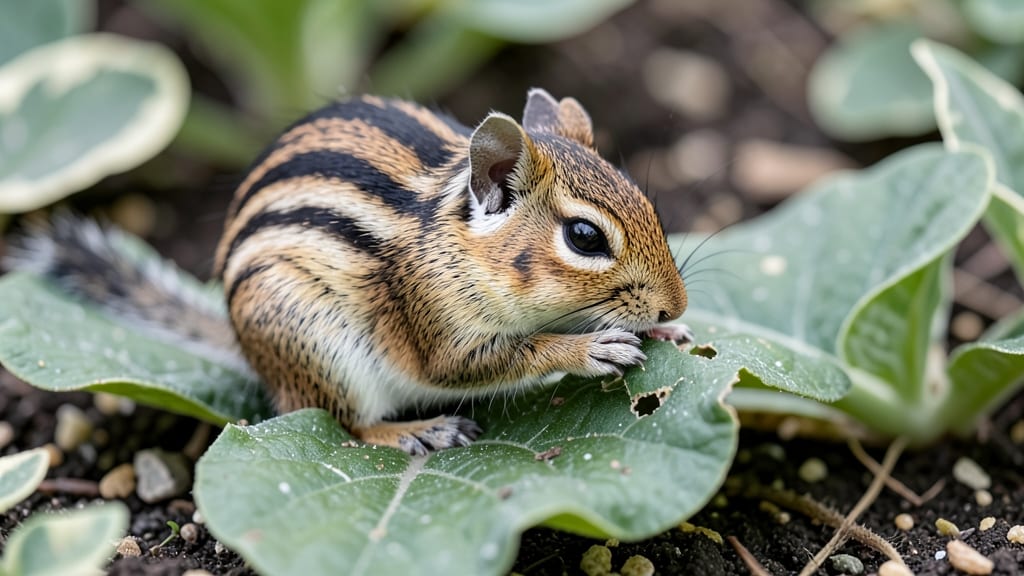
💥 Quick Answer Yes, chipmunks eat garden plants voraciously, especially tender vegetables like lettuce, beans, peas, and carrots, often stripping entire crops. Their burrowing habits also damage roots and soil…
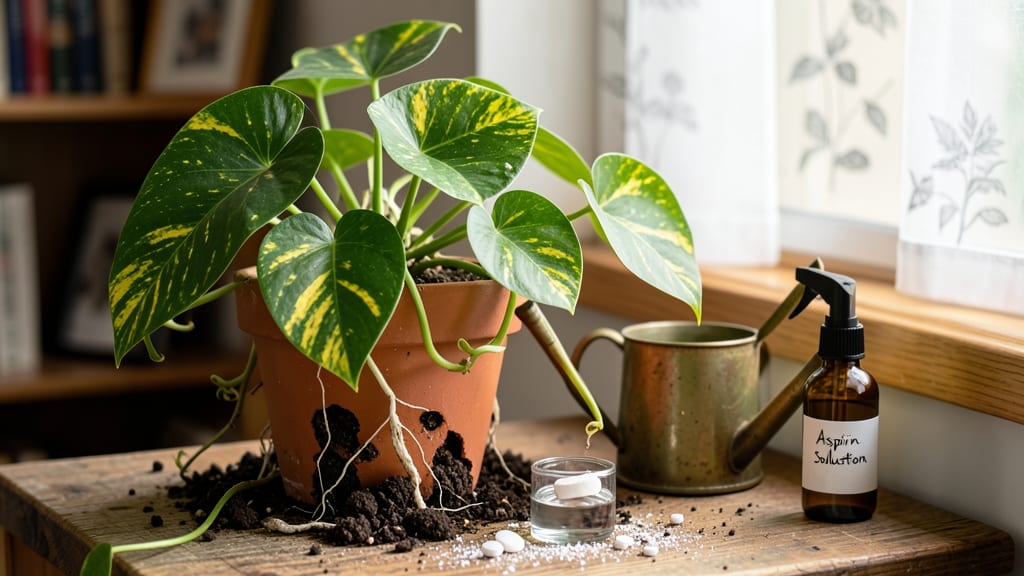
💥 Quick Answer Using aspirin in your garden creates a natural pest deterrent by crushing tablets into water to form a spray that repels aphids, spider mites, and fungal infections while boosting plant immunity through…
💥 Quick Answer Deterring deer from your garden means using a mix of strong-smelling natural repellents (like garlic or predator urine), physical barriers such as tall fencing or sturdy netting, and planting…
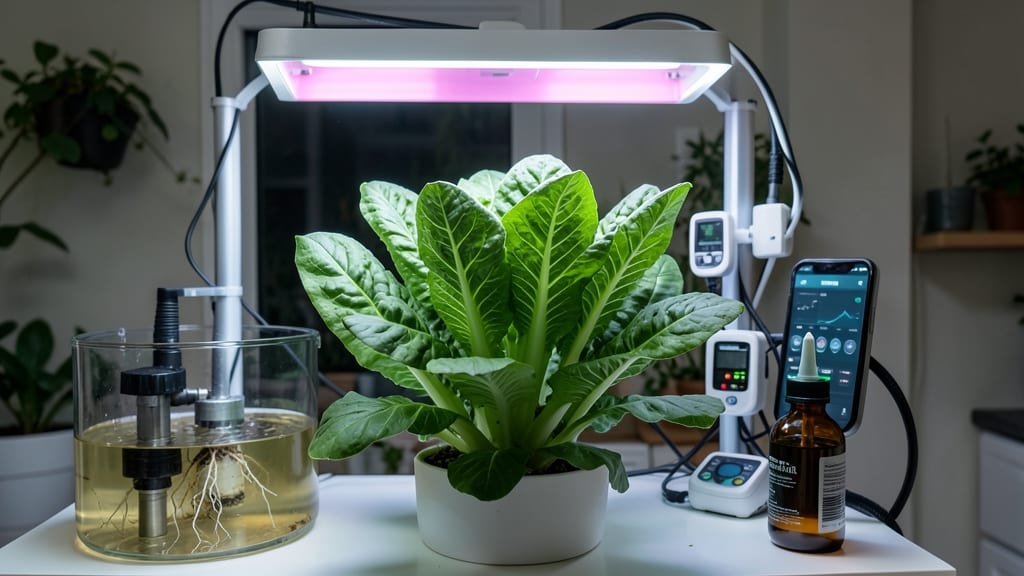
💥 Quick Answer A smart gardening system automates watering, tracks soil health, and enhances plant growth through sensors, timers, and wireless connectivity, helping you save water and reduce hands-on work while…