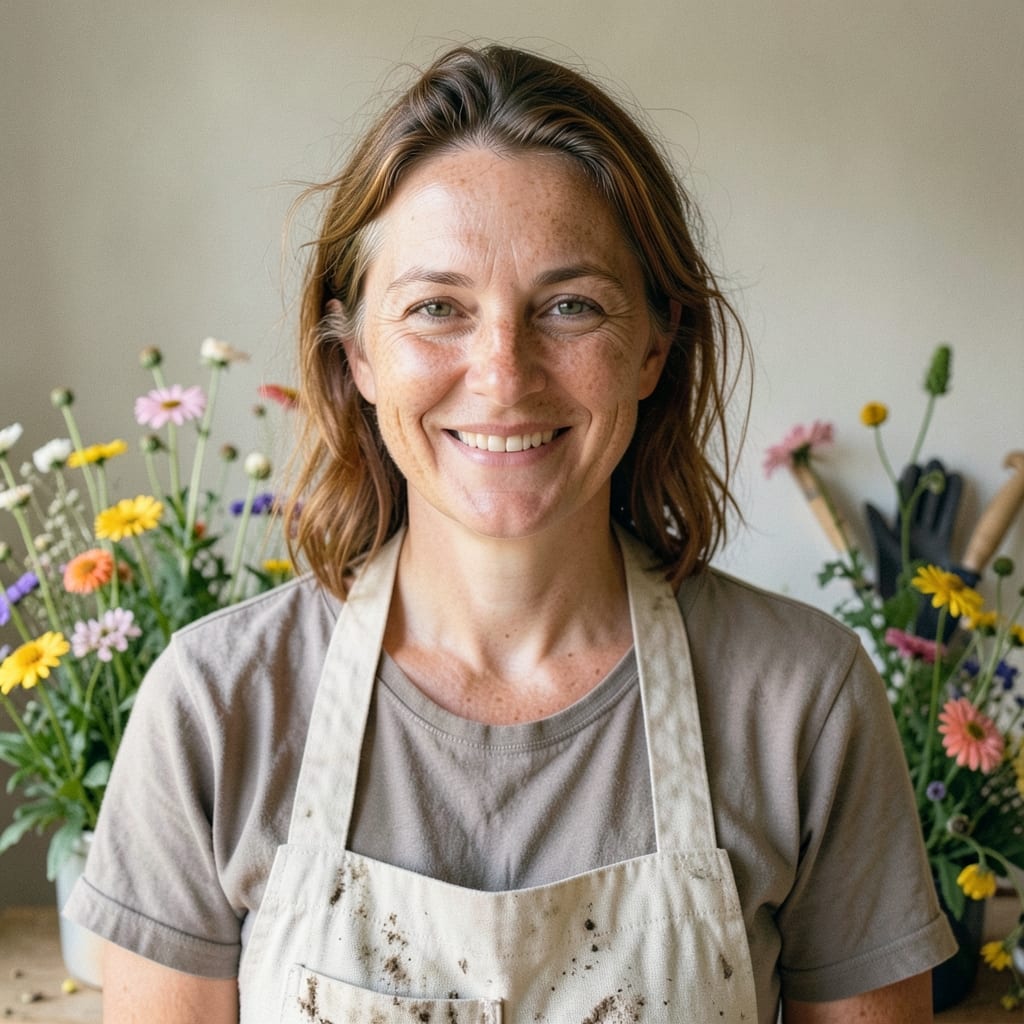
I’ve always had a soft spot for the quiet magic of a thriving garden—whether it’s the first green shoot breaking through soil in spring or the way a well-tended tomato plant can feed a whole neighborhood. My family’s backyard in Ohio was my first classroom, where my dad taught me that gardening isn’t just about growing plants; it’s about patience, trial, and the small joys of watching something you nurtured come to life. This site is where I share the lessons I’ve learned, the tricks that actually work, and the stories behind the plants that make our green spaces so special.
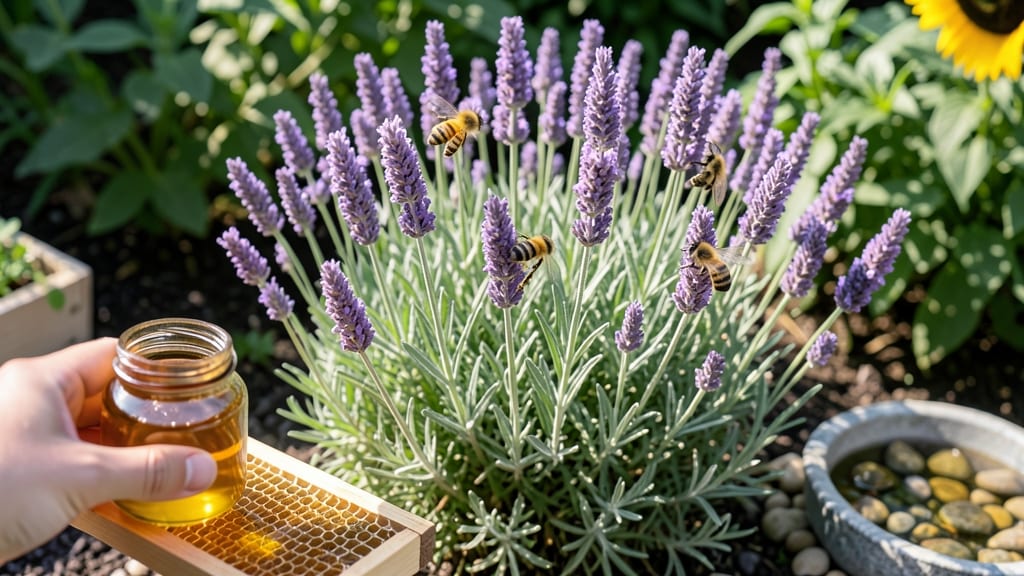
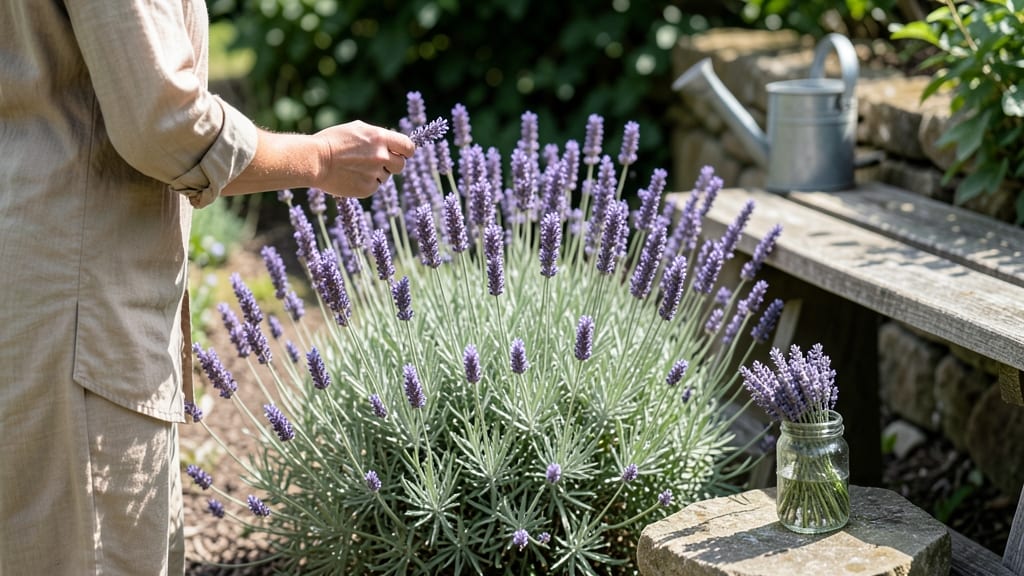
💥 Quick Answer To grow honey in your garden, create a bee-friendly space by planting high-nectar flowers such as lavender, sunflowers, and borage, then either install a beginner-friendly beehive or collaborate with…
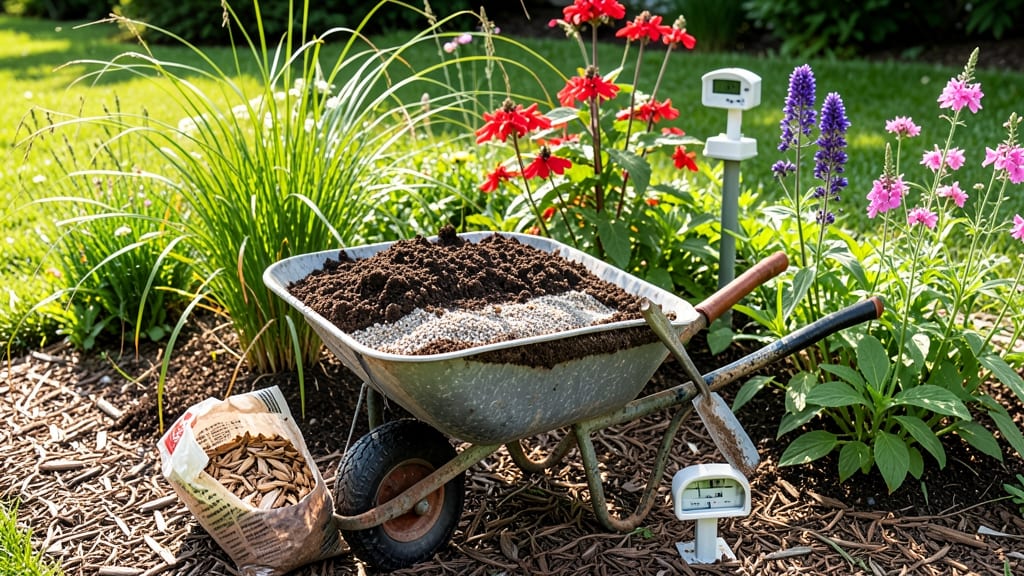
💥 Quick Answer Creating an effective rain garden soil mix means using a 60-30-10 blend of native topsoil, organic compost, and coarse sand or perlite to balance drainage and nutrient support for healthy plant roots. A…
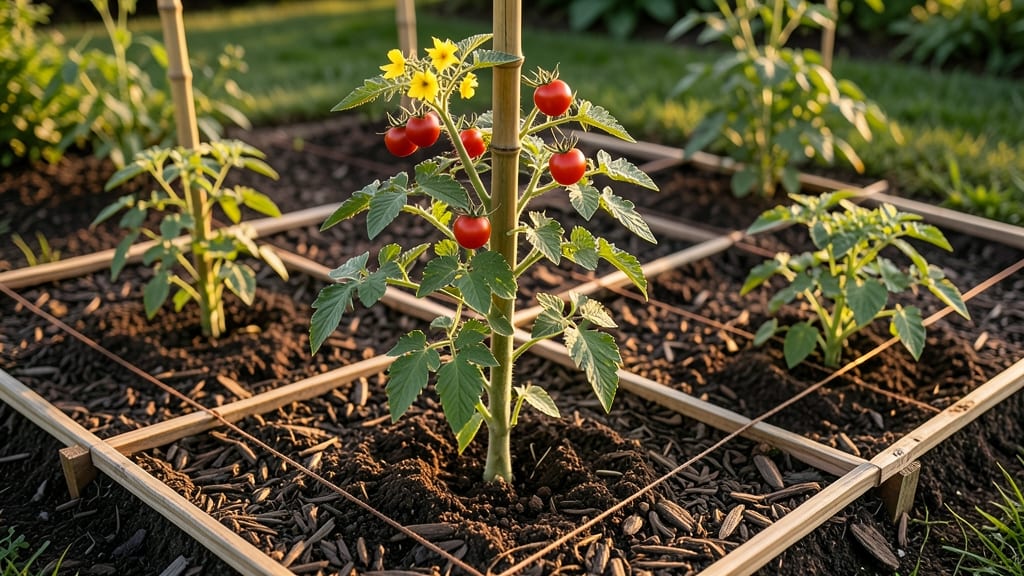
💥 Quick Answer Tomato spacing in square foot gardens requires 1 plant per square foot, with 18-inch spacing between plants and 24–36-inch row spacing to promote airflow, sunlight penetration, and disease resistance…
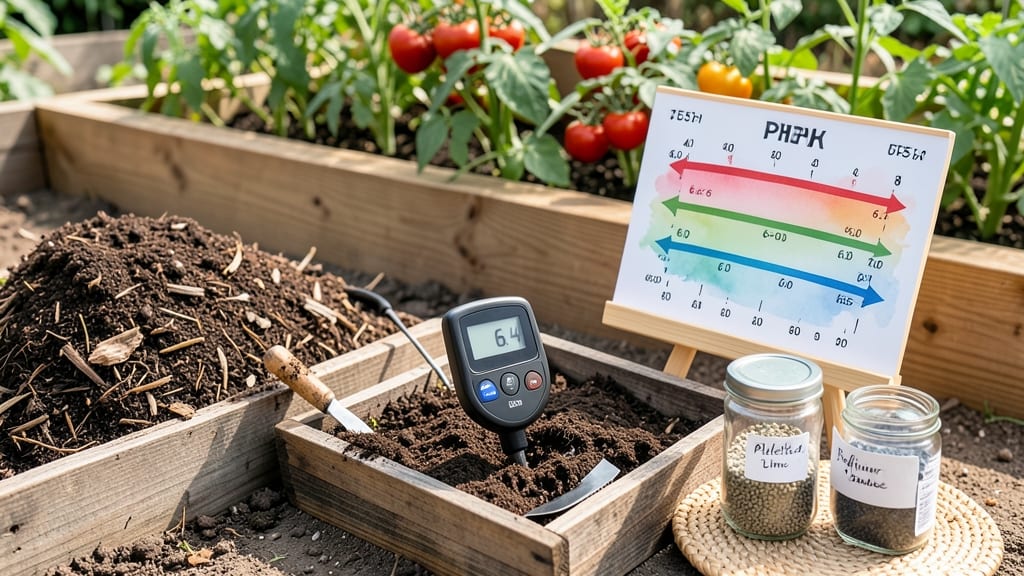
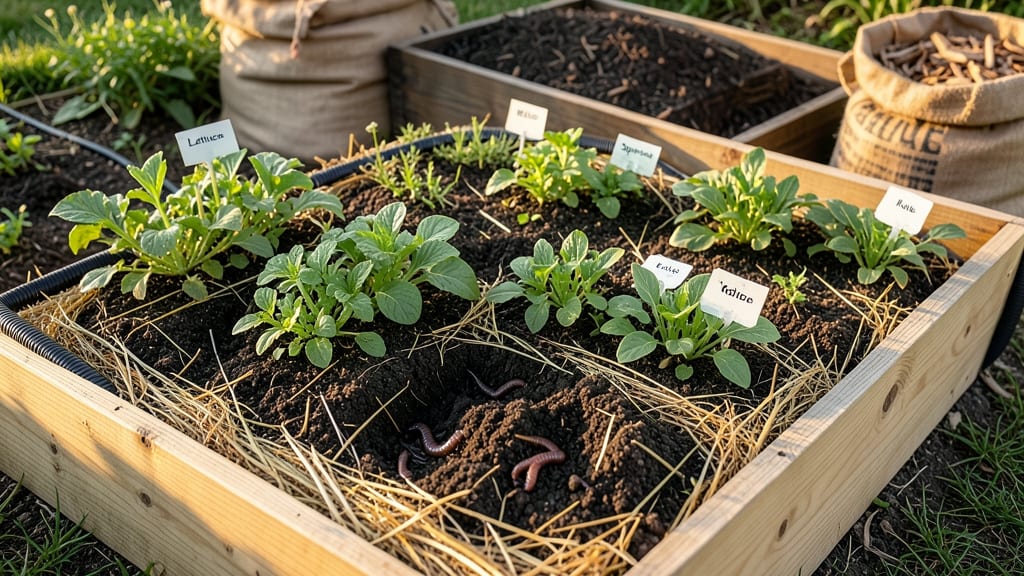
💥 Quick Answer The best pH for a vegetable garden typically falls between 6.0 and 7.0, though individual crops like blueberries and potatoes require slightly acidic conditions (4.5-5.5), while most vegetables thrive in…
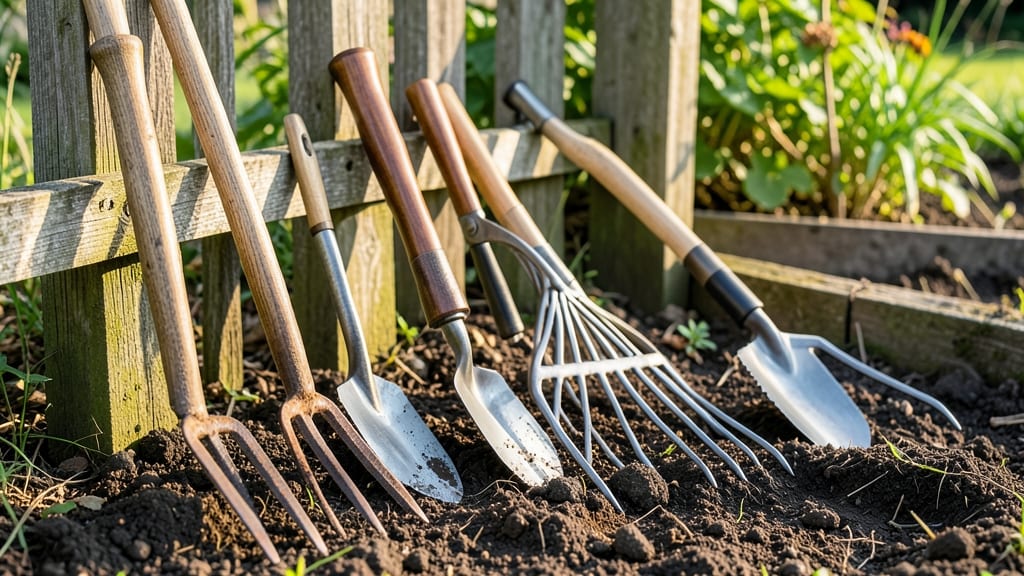
💥 Quick Answer Garden tools with long handles extend your reach for tall plants, steep slopes, or hard-to-access areas while reducing strain on your back and arms. Look for lightweight materials like fiberglass or…
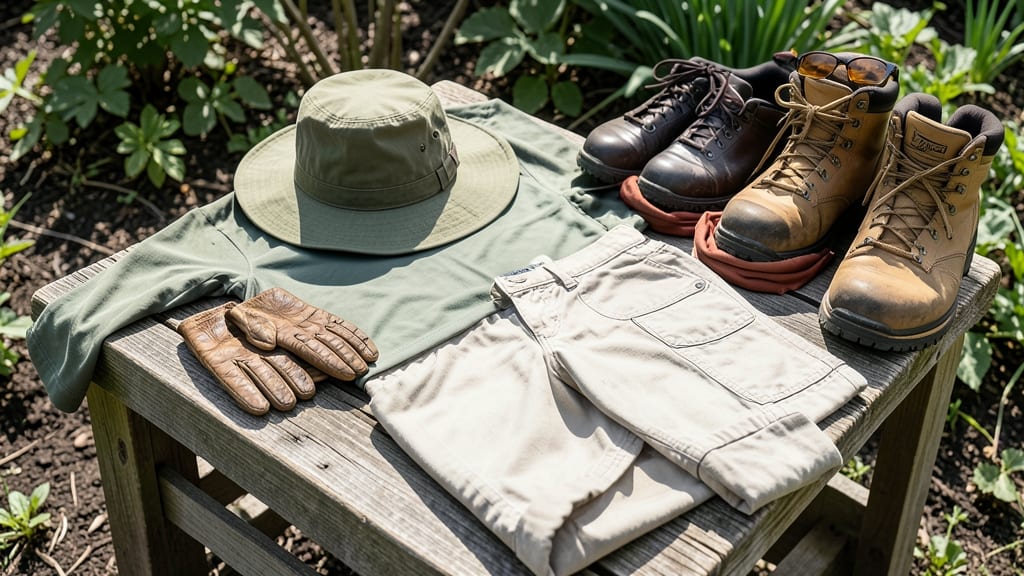
💥 Quick Answer Gardeners wear durable, breathable clothing like long-sleeved shirts, sturdy pants or leggings, and closed-toe shoes to protect against dirt, insects, and weather. Seasonal layers, gloves, and sun hats…
💥 Quick Answer Creating a vegetable garden near a septic field requires keeping at least 50 feet between plants and the septic tank or drain field to prevent soil contamination, while shallow-rooted vegetables like…
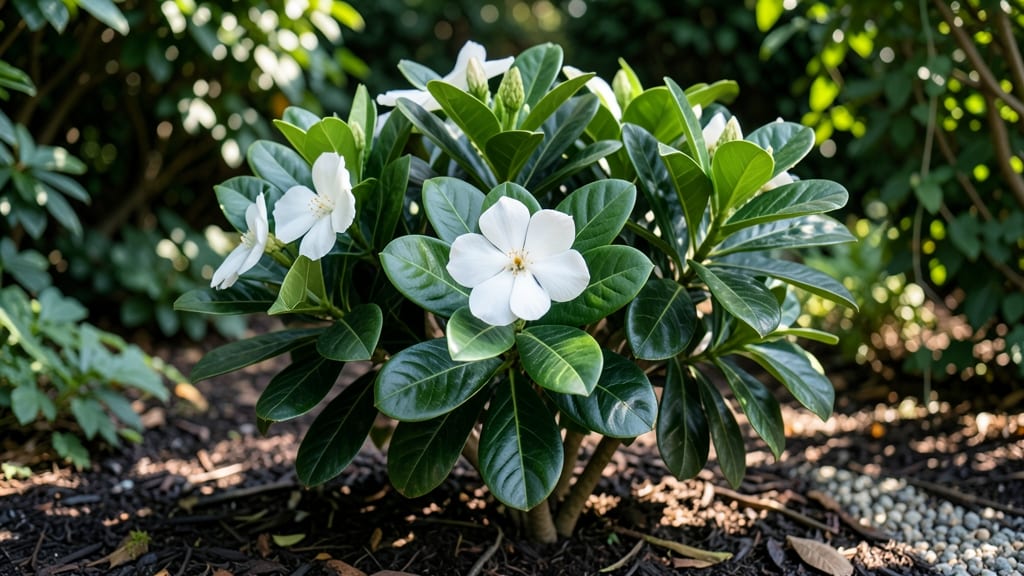
💥 Quick Answer Gardenias stay green all year in warm climates but may drop leaves when exposed to cold weather or dormancy periods. With the right care—consistent moisture, partial shade, and seasonal protection—you can…
💥 Quick Answer The mental health benefits of gardening are scientifically proven: tending to plants reduces cortisol levels, cuts stress by 30% according to studies, and triggers dopamine and serotonin release—while…